Content Menu
>> Key Benefits of Paracetamol
● Where Can I Buy Paracetamol?
>> In the United States & Canada
>> In Australia
>> In Japan and Other Asian Countries
● Who Should Take Paracetamol? Is It Safe?
● Side Effects, Warnings, and Drug Interactions
● Global Regulatory Considerations
● Extended Insights on Paracetamol Use and Safety
>> Toxicity and Overdose Risks
>> Pregnancy and Breastfeeding
● FAQ About Buying and Using Paracetamol
>> 1. Where can I legally buy paracetamol?
>> 2. Can I take paracetamol with other medications?
>> 3. What should I do if I overdose on paracetamol?
>> 4. Is paracetamol safe during pregnancy and breastfeeding?
>> 5. How long does paracetamol take to work, and how long do the effects last?
Paracetamol, also known as acetaminophen, is one of the most widely used medications to relieve pain and reduce fever around the world. Whether you have a headache, muscle aches, or a high temperature, paracetamol is the first-line treatment for millions. But what exactly is paracetamol, where can you buy it, how does it work, and what should you know before use? This detailed guide will answer all your questions, explain the science, outline regulations worldwide, and provide a comprehensive overview to help you better understand this essential medicine.
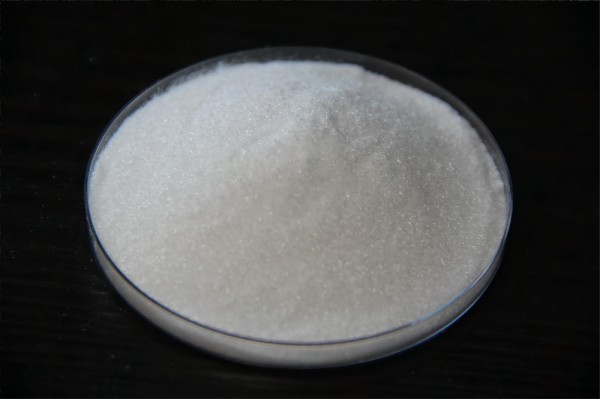
Paracetamol is an analgesic (pain reducer) and antipyretic (fever reducer) medication. It was first discovered in the 19th century and has since become a staple in households, hospitals, and pharmacies globally. Most commonly, it is found as 500mg tablets or caplets, but it also comes in syrup, capsules, powders, and suppositories designed for adults and children alike.
Its popularity is largely due to its strong safety profile when taken as directed. Known as Paracetamol in many countries including the UK, China, India, and Australia, it is referred to as Acetaminophen in the US and Canada.
- Effective pain relief for headaches, toothaches, muscle aches, backaches, and menstrual pain.
- Rapid reduction of fever.
- Generally safe for both adults and children when dosages are properly followed.
- Low risk of side effects compared to other analgesics.
- Does not cause stomach irritation or ulcers like some non-steroidal anti-inflammatory drugs (NSAIDs).
The mechanism of paracetamol is not completely understood, but it primarily works by blocking chemical messengers in the brain named prostaglandins. Prostaglandins are responsible for signaling pain and regulating body temperature, so by inhibiting them, paracetamol reduces both pain and fever effectively.
- Onset: Paracetamol starts to take effect usually within 30 minutes to an hour after ingestion.
- Duration: Each dose typically provides relief lasting 4 to 6 hours.
- Formulations: It comes in several forms including tablets, capsules, liquids, soluble powders, and suppositories. This allows flexibility depending on patient needs, such as children's syrups or rapid-absorption soluble tablets.
Paracetamol's action is mostly central (in the brain and spinal cord) unlike NSAIDs, which reduce inflammation in the body directly. That is why paracetamol is especially useful for treating fever and mild to moderate pain but is less effective for inflammatory conditions.
Paracetamol is widely available over-the-counter (OTC) at pharmacies, supermarkets, and convenience stores without a prescription. However, purchasing large quantities or higher strength dosages, such as 1g tablets, might require advice from or sales through a pharmacist.
Paracetamol is known as acetaminophen and found easily in pharmacies, supermarkets, and grocery stores. It is marketed under well-known brands such as Tylenol and Panadol, and also available in generic forms. Most forms and strengths are sold OTC, but always check local regulations.
You can buy packs of paracetamol containing up to 50 tablets or capsules without a prescription. Larger quantities or higher doses require pharmacist supervision given the risks associated with overdose.
Paracetamol is available under various brand names, sometimes combined with cold and flu remedies. It can be bought OTC but certain stronger formulations might require a prescription.
Many licensed online pharmacies offer paracetamol for sale, often with limits on quantity. For higher strength or bulk purchases, these platforms may require an online consultation with a licensed pharmacist or doctor to ensure safe use.
Always buy medications from reputable, licensed pharmacies or vendors. Counterfeit or substandard medicine can pose serious health risks. Avoid suspicious sellers or unverified online sources.

Paracetamol is generally safe for most individuals, including children and pregnant women, when taken as directed. Its safety record is excellent when adherence to dosage guidelines is maintained.
However, certain groups should exercise caution:
- Those with liver or kidney diseases should consult a healthcare provider before use, as paracetamol is metabolized in the liver and excreted by the kidneys.
- People who consume large amounts of alcohol regularly may be at increased risk of liver damage and should seek medical advice.
- Anyone allergic to paracetamol should avoid the drug entirely.
- Adults and children over 16 years of age may take 1 to 2 tablets of 500mg every 4 to 6 hours.
- Do not exceed 8 tablets (4 grams) within 24 hours.
- For children, doses vary according to age and weight; always follow the packaging instructions or a healthcare provider's advice.
- Never mix paracetamol with other products containing the same ingredient to avoid accidental overdose.
Paracetamol is used widely for:
- Headache, including migraine relief.
- Toothache and dental pain.
- Muscle and joint pain, including backache.
- Menstrual cramps.
- Sore throat pain.
- Arthritis discomfort.
- Cold and flu symptoms.
- Fever caused by infections or following vaccinations.
Due to its mild side effect profile, it is frequently combined with other medications in multi-symptom remedies for colds and flu, allowing relief from various symptoms simultaneously.
Paracetamol is well tolerated by most patients; side effects are uncommon but can occur, especially when dose recommendations are exceeded or underlying medical conditions exist.
- Possible rare allergic reactions include skin rash, itching, swelling, or breathing difficulties.
- Overdose can result in severe and potentially fatal liver injury.
- Avoid combining paracetamol with other acetaminophen-containing medicines, commonly found in cold, flu, and pain relief products.
- Inform your doctor if you take blood thinners, certain antibiotics, or medications for nausea or cholesterol as there may be interactions.
- Store medicines in a cool, dry place out of reach of children.
Regulations around paracetamol availability vary globally, often guided by concerns about patient safety and overdose prevention.
- Some countries regulate pack sizes and strength limits to reduce risks.
- Prescription requirements may apply above certain dosages or quantities.
- It is essential to adhere to your local laws and consult healthcare professionals when in doubt.
Regulatory approaches aim to balance easy access for legitimate use while minimizing potential abuse or accidental overdose.
Paracetamol overdose is one of the most common causes of acute liver failure worldwide. Taking an amount above the recommended daily maximum can quickly overwhelm the liver's capacity to safely metabolize the drug, leading to toxic buildup and liver cell damage.
Symptoms of overdose may include:
- Nausea and vomiting
- Loss of appetite
- Confusion or lethargy
- Abdominal pain, especially in the upper right quadrant
- Jaundice (yellowing of skin and eyes)
Because symptoms don't appear immediately, delayed treatment can be dangerous. If overdose is suspected, emergency medical attention is crucial.
Paracetamol is widely regarded as the safest pain and fever medicine for children when used correctly. Pediatric formulations, including syrup and suppositories, allow precise dosing to match a child's weight and age, minimizing risks.
Parents should be careful not to administer multiple products containing paracetamol simultaneously and strictly adhere to dosing schedules. When in doubt, advice from a pharmacist or pediatrician is recommended.
Paracetamol is considered one of the safest analgesics during pregnancy and lactation. It is commonly prescribed or recommended to manage pain and fever during this period.
However, always use the minimum effective dose and duration, and consult a healthcare provider if you are pregnant or breastfeeding before starting any medication.
Paracetamol remains a cornerstone of pain and fever management globally due to its effectiveness, safety, and ease of access. Whether you need to relieve a simple headache or manage fever resulting from infection, paracetamol provides reliable relief when used as directed.
For health brands, wholesalers, and medical industry partners looking for quality OEM paracetamol products, we offer expertise in manufacturing, packaging, and global logistics. We customize formulations and packaging according to your brand needs, ensuring compliance and quality at competitive pricing.
Contact us today to discuss your paracetamol product needs and let's build your next successful healthcare solution together!

You can buy paracetamol at pharmacies, supermarkets, and many online platforms without a prescription in most countries. However, some regions may require prescriptions or pharmacist consultation for higher doses or larger pack sizes.
Paracetamol works well with many medications but should never be combined with other products containing paracetamol or acetaminophen to avoid overdose. Always check labels carefully, especially with multi-symptom cold and flu medicines.
Overdose can cause dangerous liver damage. If you suspect an overdose, seek emergency medical help immediately — even if no symptoms are present — as early treatment significantly improves outcomes.
Yes, paracetamol is generally safe during pregnancy and breastfeeding when taken at recommended doses. Always consult your healthcare provider before using any medication in these stages.
Paracetamol typically begins to relieve pain and reduce fever within 30 to 60 minutes, with effects lasting about 4 to 6 hours per dose.
Hot tags: Can I Purchase Paracetamol Online, Is Paracetamol Available Over The Counter, Who Can Buy Paracetamol, Where To Buy Paracetamol Without Prescription, Buying Paracetamol Safely, OTC Paracetamol Availability, Can You Order Paracetamol Online, Buy Generic Paracetamol, Non-Prescription Paracetamol Purchase, Buying Paracetamol In Store