Content Menu
● Can You Buy Coated Paracetamol?
>> Accessibility and Distribution Channels
>> Buying for Business and Bulk Purchase
>> OEM Manufacturing Advantages
● Benefits of Coated Paracetamol
>> Enhanced Patient Compliance
>> Longer Shelf Life and Stability
>> Convenience for Specific Populations
>> Improved Branding and Marketing
● The Manufacturing Process of Coated Paracetamol
>> 1. Preparation of the Active Pharmaceutical Ingredient (API) and Excipients
>> 3. Application of the Coating
>> 4. Quality Control and Testing
● Regulatory Aspects and Safety of Coated Paracetamol
● Who Should Consider Coated Paracetamol?
● How to Identify Genuine Coated Paracetamol Products?
● FAQ
>> 1. What is the difference between coated and uncoated paracetamol tablets?
>> 2. Are coated paracetamol tablets more expensive than uncoated ones?
>> 3. Can the coating color or tablet shape be customized in OEM manufacturing?
>> 4. How long can coated paracetamol tablets be stored?
>> 5. Is coated paracetamol suitable for children and elderly patients?
Paracetamol, also known as acetaminophen, is among the most commonly used medications worldwide for the relief of mild to moderate pain and reduction of fever. Its reputation as a safe and effective over-the-counter (OTC) drug has helped it become a staple in household medicine cabinets and clinical settings globally. Over recent decades, pharmaceutical technology has innovated various paracetamol formulations, including coated tablets, which offer distinct advantages both to consumers and manufacturers.
In this article, we'll dive deep into the question “Can you buy coated paracetamol?” discussing what coated paracetamol is, why it is preferred, its manufacturing process, availability, and how businesses can leverage OEM partnerships for coated paracetamol products. Whether you are a consumer curious about which paracetamol tablets to choose, or a business interested in pharmaceutical OEM manufacturing, this article offers a comprehensive view supported by detailed explanations.
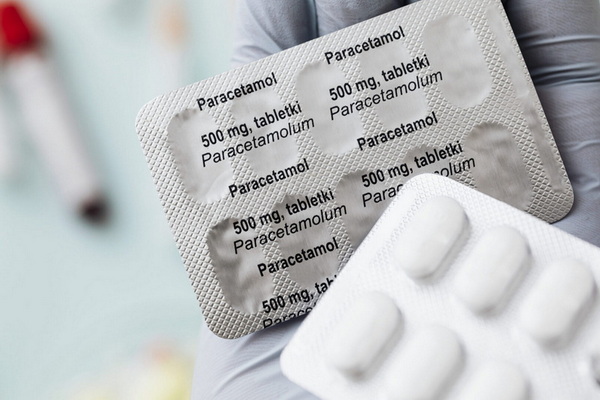
Coated paracetamol tablets are conventional paracetamol tablets with an additional outer layer, or coating, applied to their surface during production. This coating can be composed of a variety of substances, most commonly polymers or sugar-based compounds, depending on the desired effect and formulation philosophy.
The coating serves multiple important functions:
- Taste Masking: Paracetamol has a naturally bitter taste, which can cause discomfort and reduce compliance, especially among children or individuals sensitive to bitter flavors. The coating masks this taste, resulting in a more pleasant administration experience.
- Protection from Environmental Factors: The coating acts as a barrier to moisture, light, and air, helping to preserve the active ingredient (API) and avoid degradation. This protective role extends the shelf life and maintains efficacy.
- Ease of Swallowing: A smooth, coated surface allows tablets to glide down the throat more easily than uncoated tablets, making them suitable for populations with swallowing difficulties.
- Appearance and Identification: Coatings allow manufacturers to color code or imprint their tablets, aiding easy identification, preventing counterfeit drugs, and enhancing brand recognition.
- Modified Release: Some coatings are specifically engineered to delay or control the rate at which the drug dissolves, allowing for sustained or targeted release in the gastrointestinal tract.
Collectively, these improvements make coated paracetamol an attractive option for both consumers and drug manufacturers.
The straightforward answer is yes, coated paracetamol is widely available for purchase across the globe. It can be found in retail pharmacies, supermarkets, online drugstores, hospitals, and clinics. The wide availability is mainly because coated tablets are often preferred for ease of use, better taste, and improved stability.
Consumers can easily find coated paracetamol in various strengths, most commonly 500 mg, packaged in blister packs, bottles, or cartons. Pharmaceutical companies continuously innovate formulations to meet consumer needs, and coated versions have become standard in many markets.
If you are a consumer looking to buy coated paracetamol for personal use:
- Check the product label to confirm “film-coated” or “sugar-coated” tablets.
- Consider the dosage and quantity that fit your needs.
- Purchase from reputable pharmacies or verified online sellers to avoid counterfeit products.
For wholesalers, distributors, and brand owners, coated paracetamol can be sourced via bulk purchasing options. This is where working with Original Equipment Manufacturer (OEM) partners is key. Many pharmaceutical manufacturers offer OEM services where they produce customized coated paracetamol tablets tailored to your brand's specifications, including taste, coating color, tablet shape, packaging, and labeling.
If your business plans to launch a new paracetamol product or wants to expand your product line, contracting with an experienced OEM manufacturer can improve product quality, ensure compliance with good manufacturing practices (GMP), and reduce time to market.
- Customization: Ability to produce tablets with unique coatings, formulations, or release profiles.
- Regulatory Compliance: Partnering with factories that meet international certification and regulatory standards ensures your product will be accepted globally.
- Cost Efficiency: Large-scale manufacturing reduces unit costs, enabling competitive pricing.
- Supply Assurance: Reliable manufacturers provide consistent supply and on-time delivery schedules.
Thus, whether you need branded or white-labeled coated paracetamol, these OEM partnerships facilitate entry into new markets with minimal risk.
One of the main advantages of coated paracetamol is the improvement in patient compliance. The bitter taste of uncoated paracetamol is a barrier for many, especially children, who may refuse to take medicine or vomit after ingestion. Coated tablets have a smooth exterior and masked flavor, which encourages adherence to treatment regimens.
Paracetamol is sensitive to moisture and light, which can cause degradation or discoloration over time. The protective coating prevents environmental factors from compromising the integrity of the tablet, reducing drug wastage and assuring patients get consistent results.
Some coated paracetamol formulations include modified-release coatings. These coatings control the dissolution rate, preventing a sudden high concentration of the drug in the bloodstream, which can reduce side effects or toxicity risks.
Those with swallowing difficulties (dysphagia) benefit from coated tablets due to their smoothness. Additionally, coatings can protect the stomach lining from irritation in sensitive individuals.
Pharmaceutical companies use coatings to differentiate their products visually and tactilely, enabling marketing advantages and consumer recognition in crowded markets.
Producing coated paracetamol involves several critical stages that ensure quality, safety, and efficacy.
The core of the tablet consists of paracetamol API blended uniformly with excipients—these include binders to hold the tablet together, fillers to bulk up size, disintegrants to control dissolution, and lubricants to ease manufacturing.
The blended powder mixture is fed into tablet press machines which compress it into tablets with the desired weight, shape, and size. The uncoated tablets at this stage are called “cores.”
Coating is performed inside specially designed coating pans or fluidized bed coating machines. Tablets are tumbled while a coating solution—composed of polymers, plasticizers, and coloring agents—is sprayed on evenly. The coating dries and forms a thin, uniform layer.
Post-coating, tablets undergo rigorous quality control tests, including:
- Content uniformity to ensure each tablet has the correct API amount.
- Dissolution testing to verify coating integrity and dissolution profile.
- Visual inspections to confirm coating quality and the absence of defects.
- Stability testing under different environmental conditions.
Only products that meet regulatory standards are approved for packaging and distribution.
Coated paracetamol tablets are packed in blister packs, bottles, or cartons with labeling that conforms to regulatory requirements, including dosage instructions, ingredients, and manufacturer information.
When purchasing or manufacturing coated paracetamol, understanding regulatory compliance and safety parameters is essential.
- Regulations: Manufactured coated tablets must comply with national and international drug registration laws (FDA in the USA, EMA in the EU, CFDA in China, etc.). Manufacturers follow GMP principles to ensure product safety.
- Safety Profile: The coatings used are made from pharmaceutically approved materials considered safe for ingestion. They do not alter the pharmacokinetics negatively but rather enhance medication safety.
- Consumer Guidance: Patients should adhere to recommended doses, regardless of the tablet type. Overdosing on paracetamol can cause severe liver damage. Always consult healthcare providers if unsure about dosage or drug suitability.
- Individuals sensitive to taste: Coated tablets reduce bitterness.
- Children and elderly: Easier swallowing and acceptance.
- Patients with storage challenges: Enhanced shelf life.
- Pharmaceutical marketers: For branding and differentiation.
- OEM clients and distributors: For ready-to-market products.
Given the widespread use of paracetamol, counterfeit and substandard products can circulate in the market. Buying from reputable sellers and examining packaging authenticity are fundamental. Look for:
- Clear labeling specifying “film-coated” or “sugar-coated.”
- Batch numbers and expiry dates.
- Manufacturer information.
- Consistent tablet appearance matching brand specifications.
Can you buy coated paracetamol? Without a doubt, yes. Coated paracetamol tablets have become a standard pharmaceutical product worldwide, valued for their improved taste, patient-friendliness, and enhanced stability. They are available across retail and wholesale channels, and businesses can access high-quality coated paracetamol via reliable OEM manufacturers.
As a professional biotechnology and pharmaceutical OEM factory, we specialize in producing coated paracetamol with customizable options tailored to your brand's needs. Our adherence to international quality standards ensures products that meet the safety and regulatory requirements of global markets.
Whether you are a consumer seeking better-tasting paracetamol or a business exploring OEM manufacturing partnerships, the coated paracetamol tablet represents a trusted and effective option. Reach out today to discuss your paracetamol product sourcing, customization, or bulk buying needs and let us help you succeed in the pharmaceutical market.
Coated paracetamol tablets have an outer layer to mask taste, protect the active drug, and improve swallowing, while uncoated tablets lack these features and often have a bitter taste that can be unpleasant.
The additional coating process incurs slightly higher production costs, making coated tablets somewhat more expensive. However, for patients, the benefits in compliance and stability typically justify this difference.
Yes, OEM manufacturers offer customization services, allowing clients to specify coating colors, tablet shape, packaging designs, and even include logos or branding marks.
Typically, coated paracetamol tablets have a shelf-life of between 2 to 3 years when stored properly in cool, dry conditions away from direct sunlight.
Yes, coated tablets are generally easier to swallow and more palatable, making them well-suited for children, elderly individuals, and patients who have trouble swallowing uncoated tablets.
Hot tags: Coated Paracetamol Tablets, Buy Coated Paracetamol, Film Coated Paracetamol, Coated Paracetamol Online, Paracetamol Coated Caplets, Coated Paracetamol Purchase, Coated Paracetamol Brands, Buy Film Coated Paracetamol, Coated Paracetamol for Pain Relief, Coated Paracetamol Availability