Content Menu
● OTC Alternatives to Novocaine
● Manufacturing and OEM Opportunities
● Advanced Applications and Research
● Storage and Handling Best Practices
● FAQ
>> 1. Is Novocaine the same as lidocaine?
>> 2. Can benzocaine replace Novocaine for dental pain?
>> 3. What purity is required for pharmaceutical benzocaine?
>> 4. Do Chinese factories offer OEM for anesthetics?
>> 5. How should benzocaine powder be stored?
Novocaine, chemically known as procaine hydrochloride, is a local anesthetic first synthesized in 1905 by German chemist Alfred Einhorn as a safer alternative to cocaine. It works by blocking sodium channels in nerve cells, preventing pain signal transmission to the brain. Commonly used in dentistry for procedures like fillings, extractions, and minor surgeries, its effects typically last 30-90 minutes, depending on the dose and whether vasoconstrictors are added.
Procaine belongs to the ester-type anesthetics, which are metabolized quickly by plasma enzymes called pseudocholinesterases, reducing the risk of systemic toxicity compared to older agents. This rapid breakdown makes it suitable for short procedures but also means it wears off faster than modern alternatives. In clinical settings, it's often prepared as a 1-4% solution for infiltration anesthesia or nerve blocks. Dentists favor it for its predictability in soft tissue numbing, though patients might experience a slight tingling or metallic taste upon injection.
The drug's pKa value around 8.9 allows it to exist partly in ionized form at physiological pH, aiding diffusion into nerve tissues. Beyond dentistry, procaine finds use in ophthalmology for corneal anesthesia and in some diagnostic skin tests. Its chemical structure, featuring a para-aminobenzoic acid (PABA) ester linkage, contributes to occasional allergic reactions in sensitive individuals, prompting the shift toward amide anesthetics.
The story of Novocaine begins in the early 20th century amid the quest for cocaine substitutes. Cocaine, isolated from coca leaves, had been dentistry's go-to anesthetic since 1884 but carried high addiction and toxicity risks. Alfred Einhorn's team at Hoechst AG synthesized procaine in 1905, naming it "Novocaine" from the Latin "novus" (new) and "caine" (anesthetic). Dr. Heinrich Braun pioneered its spinal anesthesia use in 1907, solidifying its role.
World War I accelerated adoption, as field surgeons needed quick, safe numbing for wounds without ether's flammability. By the 1920s, Novocaine dominated dental practices, branded by Hoechst and later generics. Its peak popularity came mid-century, but drawbacks emerged: slower onset (5-10 minutes) versus lidocaine's 2-3 minutes, and allergy rates up to 1% due to PABA. By the 1970s, lidocaine overtook it, relegating procaine to niche roles.
Culturally, "Novocaine" became slang for any dental shot, persisting in media like songs and films. Patent expiration in the 1930s spurred generics, but strict controls remained due to injection risks. Today, while less common, it retains value in regions with esterase-proficient populations and for patients allergic to amides.
At the cellular level, Novocaine binds to voltage-gated sodium channels in neuronal membranes, particularly in their open or activated states. This inhibits sodium influx, preventing depolarization and action potential propagation. Pain fibers (A-delta and C fibers) are most susceptible, achieving selective analgesia.
Injected as hydrochloride salt, it diffuses in non-ionized form through lipid membranes, then ionizes inside axons to block from within. Vasoconstrictors like epinephrine prolong action by limiting vascular uptake, extending duration from 30 to 90 minutes. Metabolism yields PABA and diethylaminoethanol, excreted renally.
Factors influencing efficacy include tissue pH (acidic inflammation reduces effectiveness), dosage (max 7mg/kg without epi), and technique—aspiration prevents intravascular injection. Compared to lidocaine, procaine's shorter half-life (seconds in plasma) minimizes overdose risks but demands precise administration.
Novocaine's injectable nature demands professional oversight due to serious risks: allergic reactions (urticaria, anaphylaxis), CNS excitation (tremors, seizures), cardiovascular depression, or methemoglobinemia if mishandled. Self-administration risks uneven dosing, infection, or vascular injection causing immediate toxicity.
Regulatory bodies like the FDA classify procaine as prescription-only for infiltration and conduction block, prohibiting OTC sales. In the US, it's Schedule not but restricted to clinicians. The UK MHRA and EU EMA echo this, viewing it as a medicinal product under pharmacy controls. Historical incidents, like accidental overdoses, justify barriers—topicals allow safer self-use.
Unlike aspirin or ibuprofen, anesthetics alter nerve function profoundly, warranting medical evaluation. Emergency access exists via dental offices, but public OTC sales could surge misuse, especially for unproven "home dentistry."
For minor oral discomfort, ester anesthetics like benzocaine (5-20%) are OTC in gels, sprays, and lozenges. Orajel or Anbesol numb teething pain, canker sores, or braces irritation within minutes, lasting 15-30 minutes. Benzocaine, structurally similar to procaine, shares ester metabolism but applies topically, limiting systemic absorption.
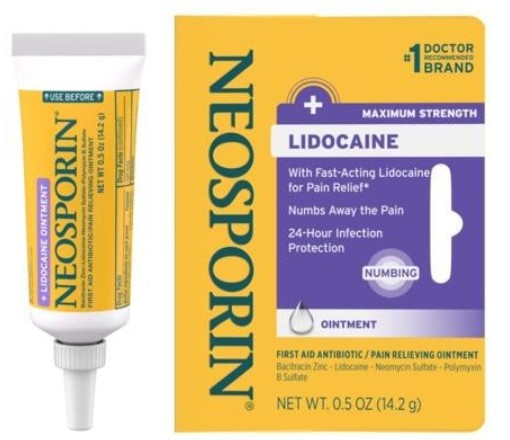
Lidocaine options include 4-5% ointments for skin (e.g., Curist) or patches, though oral viscous forms are Rx in many places due to aspiration risks in kids. Other topicals: pramoxine in mouthwashes or dyclonine sprays. Non-chemical aids like clove oil (eugenol) provide natural numbing.
Limitations: OTC max concentrations prevent deep blocks; overuse risks methemoglobinemia (chocolate blood, hypoxia), prompting FDA warnings for pediatric use. Always follow labels—apply sparingly, avoid swallowing.
| Anesthetic | OTC Availability | Strength | Common Uses | Duration |
|---|---|---|---|---|
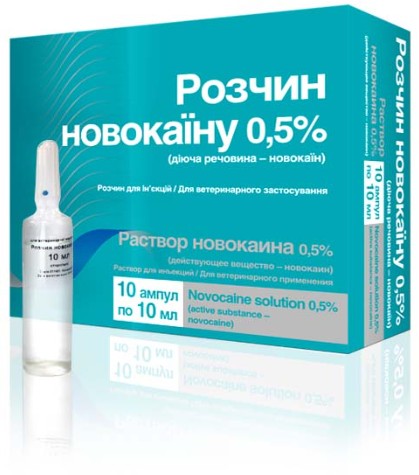
| Procaine (Novocaine) | No (Rx injectable) | 1-4% | Dental surgery | 30-90 min |
| Benzocaine | Yes (topical) | 5-20% | Sores, gums | 10-30 min |
| Lidocaine | Partial (topical) | 4-5% | Skin, minor oral | 30-60 min |
| Pramoxine | Yes | 1% | Rinses | 20 min |
In the US, FDA approves OTC benzocaine up to 20% for adults/children >2, but monitors adverse events. Injectables require Rx. UK's MHRA rescheduled some lidocaine to P (pharmacy-only); procaine remains POM. EU's MDR harmonizes, demanding clinical data for devices containing anesthetics.
China's NMPA oversees exports, with GMP factories producing for global OEM. Australia and Canada mirror US/UK, emphasizing child safety. Importers must navigate REACH for EU, ensuring purity >99%.
Ester anesthetics like procaine trigger PABA allergies (rash, hypotension), affecting 0.5-1% vs. <0.1% for amides. High doses cause initial excitation (talkativeness, dizziness), then depression. Intravascular injection mimics seizures. Rare: malignant hyperthermia or chondrotoxicity.
Benzocaine's methemoglobinemia risk led to 2011 FDA limits. Mitigation: allergy testing, epi-free for asthmatics, incremental dosing. Patient factors: liver disease prolongs amides; low pseudocholinesterase slows esters.
Dentists use Novocaine for profound, reliable blocks in extractions or implants, combining with buffers for comfort. OTC suits symptomatic relief—ulcers, denture sores—but not procedures. Hybrid products like anesthetic wipes bridge gaps.
Global demand drives OEM from China, where biotech factories produce bulk procaine, benzocaine powders (99.9% HPLC pure), and formulations. Services include API synthesis, gel encapsulation, private labeling, and stability testing. Compliant with USP/EP, these suppliers ship to UK/EU discreetly, offering MOQs from 1kg.
Advantages: cost savings (30-50% vs. West), scalability, custom strengths. For brands/wholesalers, white-label benzocaine gels mimic Orajel, packaged for pharmacies.
Emerging uses: procaine in pain management cocktails or as antibiotic adjuvant (binds bacterial membranes). Studies explore nanoparticle delivery for prolonged release. Veterinary dentistry employs it similarly.
Store injectables at 15-30°C, protected from light; powders in airtight containers. Shelf life: 3-5 years. PPE mandatory—gloves, masks—for powders to avoid inhalation.
Novocaine remains prescription-only for safety, but OTC benzocaine and topicals provide accessible relief for everyday needs. As a leading Chinese OEM factory in biotechnology, pharmaceuticals, and medical devices (supplybenzocaine.co.uk), we specialize in high-purity anesthetics, custom OEM for international brands, wholesalers, and producers. Partner with us for competitive pricing, ISO/GMP quality, rapid prototyping, and global shipping—elevate your product line today. Contact our team for quotes, samples, or formulations tailored to your market!
Contact us to get more information!
No, Novocaine is procaine, an ester anesthetic with shorter duration (30-90 min) and higher allergy risk from PABA. Lidocaine, an amide, acts faster (2-3 min), lasts longer, and suits most patients better.
Benzocaine offers quick topical OTC relief for minor issues like sores but cannot match injectable Novocaine's depth for procedures. Use OTC for symptoms; see a dentist for treatments.
Pharmaceutical grade demands ≥99% purity, verified by HPLC/GC, with microbial/endotoxin limits. Reputable suppliers provide CoA for compliance.
Yes, facilities like ours provide full OEM: powder milling, gel production, labeling, and packaging for benzocaine/procaine products, meeting FDA/EMA standards.
Keep in cool (2-8°C), dry, light-proof containers. Use desiccants; shelf life 2-3 years. Handle with PPE to prevent sensitization.
1. https://curistrelief.com/products/lidocaine-cream-5-numbing-relief-max
2. https://toothandpen.com/treatment/whats-the-difference-between-novocaine-and-lidocaine/
3. https://www.gov.uk/drug-safety-update/oral-lidocaine-containing-products-for-infant-teething-only-to-be-available-under-the-supe
4. https://sacramentofamilydentist.com/numb-and-number-the-curious-case-of-novocaines-lasting-legacy/
5. https://hexiapharm.com/otc-lidocaine-alternatives-to-viscous-lidocaine-products/
6. https://www.alamy.com/stock-photo/procaine-molecular.html
7. https://www.youtube.com/watch?v=xLEKTIVt2QY
8. https://www.fda.gov/drugs/drug-safety-and-availability/risk-serious-and-potentially-fatal-blood-disorder-prompts-fda-action-oral
9. https://hexiapharm.com/lidocaine-vs-novocaine-which-dental-anesthetic-is-better/
10. https://www.reddit.com/r/AmericanExpatsUK/comments/1kpwsbx/what_can_i_not_get_in_the_uk/
11. https://www.youtube.com/watch?v=5WMEQrKC7Kw
12. https://www.centrixdental.com/product/lollicaine
13. https://dailymed.nlm.nih.gov/dailymed/fda/fdaDrugXsl.cfm?setid=c80c810a-60e0-49bd-139c-95aec3a286fc
14. https://www.gov.uk/government/consultations/regulating-anaesthesia-associates-and-physician-associates/regulating-anaesthesia-as
15. https://www.siriusmedventilator.com/factory.html
16. https://www.supplybenzocaine.co.uk/where-to-buy-benzocaine-powder-uk.html
17. https://www.youtube.com/watch?v=M7FvOXIjy80
18. https://www.dentek.com/oral-care-products/pain-relief-repair/dentek-advanced-relief-instant-pain-reliever
19. https://www.ncbi.nlm.nih.gov/books/NBK551556/
20. https://rcoa.ac.uk/gpas/chapter-8
21. https://supplybenzocaine.co.uk
Hot tags: Novocaine Over The Counter, Buy Novocaine Online, Novocaine Prescription Requirements, Local Anesthetic OTC, Novocaine Alternatives, Novocaine Side Effects, Where To Buy Novocaine, Novocaine Uses, Novocaine Pain Relief, Novocaine Availability