Content Menu
● What Is Paracetamol Called in France?
● Where and How to Buy Paracetamol in France?
>> Pharmacies Are the Exclusive Authorized Sellers
>> No Prescription Required, But Pharmacist Interaction Is Key
>> Online Sales Currently Prohibited
● Various Forms and Dosages of Paracetamol Available in France
● How to Buy Paracetamol in France: A Step-by-Step Guide
● Important Health and Safety Regulations
● Role of the Pharmacist in the French Healthcare System
● Paracetamol Use and Public Health Campaigns in France
● International Business and OEM Manufacturing Perspectives
● FAQ (Frequently Asked Questions)
>> 1. Can I buy paracetamol without a prescription in France?
>> 2. Is it possible to purchase paracetamol in supermarkets in France?
>> 3. Are online purchases of paracetamol allowed in France?
>> 4. What are the common brand names of paracetamol in France?
>> 5. How much paracetamol can I safely take daily?
Paracetamol, known globally as a safe and effective medication for relieving pain and reducing fever, holds a significant place in the personal healthcare routines of millions. If you're planning to visit, live, or do business in France, understanding how paracetamol is accessed there is essential due to the country's unique regulations and market structure.
In this comprehensive guide, we explore the availability, regulations, forms, and buying process of paracetamol in France. We also touch upon the role of pharmacists, health warnings, and provide helpful tips for both consumers and international businesses interested in pharmaceutical supply or OEM manufacturing.
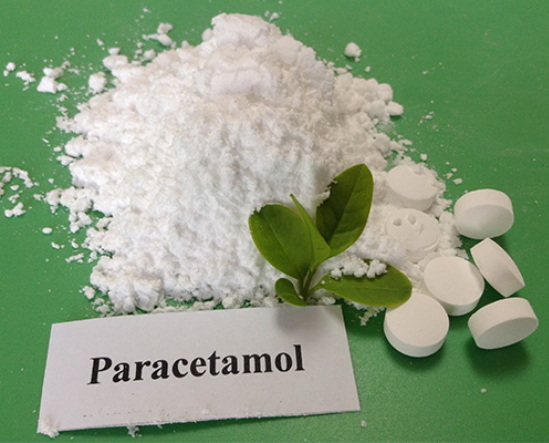
In France, paracetamol is most commonly found under the brand name Doliprane. It is widely recognized and trusted among consumers and healthcare professionals alike. Other notable French brands include Dafalgan and Efferalgan, both containing the same active ingredient but often differing in dosage form and packaging. Besides brand name products, generic versions are also abundant and typically more cost-effective, while maintaining equivalent efficacy and safety.
Because paracetamol is considered an essential medicine by the French health authorities, it is readily available without the need for a doctor's prescription, classifying it as an over-the-counter (OTC) drug.
Unlike some countries where paracetamol is sold widely in supermarkets, convenience stores, or even petrol stations, France enforces strict regulations that limit its sale exclusively to pharmacies. These pharmacies carry a distinct green cross outside their premises, making them easily identifiable.
Since January 15, 2020, French law requires certain painkillers—including paracetamol, ibuprofen, and aspirin—to be sold only from behind the counter in pharmacies. This legal change stems from public health initiatives aimed at avoiding misuse and ensuring appropriate pharmaceutical counseling.
Purchasing paracetamol does not require a medical prescription. However, because paracetamol is dispensed from behind the counter, the pharmacist will engage customers to understand their symptoms, advise on proper dosage, warn about risks such as overdose, and may suggest alternatives if necessary. This ensures medications are used safely and effectively and provides an opportunity to correct misunderstandings related to self-medication.
The French government temporarily banned online sales of paracetamol and other over-the-counter painkillers until January 31, 2023, as part of measures to regulate supply during shortages and prevent stockpiling behaviors. Although this ban has lifted, online availability remains tightly controlled. Consequently, purchasing paracetamol through online French retailers is generally not possible or highly restricted. Physical pharmacies remain the primary, trusted source.
French pharmacies offer paracetamol in multiple formulations designed to accommodate different patient needs:
- Tablets & Capsules: The most common adult dosages are 500mg and 1000mg. These are typically sold in boxes containing anywhere from 8 to 24 tablets.
- Children's Formulations: Pediatric options include liquid suspensions, syrups, and powder sachets. Dosing for children is carefully calibrated based on age and body weight.
- Effervescent Tablets: These dissolve in water and provide faster absorption, often preferred by people who find swallowing pills difficult.
- Suppositories: Used especially for infants or patients who cannot swallow oral forms.
- Generic Brands: Pharmacies often offer generic equivalents to branded products like Doliprane, providing a more affordable option without sacrificing quality.
1. Locate a Pharmacy: Pharmacies are present throughout French cities, townships, and rural areas. The green cross sign is universal and glows at night. Most towns have at least one 24-hour or late-opening pharmacy, which is useful for urgent needs.
2. Request the Product: Use the term "paracetamol" or the brand "Doliprane." Specify if you need a specific formulation such as tablets, syrup, or child-suitable products.
3. Respond to Questions: The pharmacist may ask about your symptoms, other medications you are taking, allergies, and health conditions to offer the safest recommendation.
4. Receive Advice and Purchase: The pharmacist will explain the correct dosage schedules, potential side effects, and warnings regarding maximum daily intake.
5. Use Responsibly: Follow the pharmacist's guidance and product leaflet instructions strictly, especially regarding dosage frequency. Avoid alcohol consumption while on paracetamol to reduce liver risk.
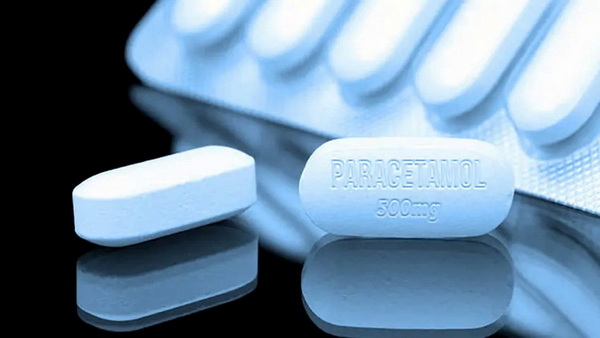
It is important to be aware of key safety considerations when using paracetamol:
- Avoid Overdose: Taking more than the recommended maximum daily dose (commonly 3,000-4,000 mg for adults) can cause serious and potentially fatal liver damage.
- Pregnancy and Breastfeeding: Experts recommend consultation with healthcare providers before use, particularly after the sixth month of pregnancy due to potential fetal risks.
- Medication Interactions: Inform your pharmacist about any other medicines you are taking, including herbal supplements, as paracetamol can interact with a variety of drugs.
- Storage: Store paracetamol in a cool, dry place, out of reach of children to prevent accidental ingestion.
Pharmacists in France are more than dispensers of medicine. They serve as vital healthcare advisors who provide personalized guidance. Their training includes understanding drug interactions, contraindications, and patient counseling, making them indispensable allies for safe medication use. The regulatory requirement to sell painkillers behind the counter empowers pharmacists to verify appropriate usage, minimizing risks of misuse, overdose, and resistance.
The French government, in collaboration with healthcare providers and pharmacies, regularly runs public health campaigns to educate the public about the safe use of medicines like paracetamol. These campaigns focus on:
- Raising awareness about the dangers of overdose
- Encouraging adherence to pharmacist advice
- Promoting the importance of reading package leaflets
- Highlighting the risks of combining multiple medicines containing paracetamol unknowingly
Such efforts support safer self-medication practices and reduce hospitalizations related to improper drug use.
For international brand owners, wholesalers, and producers interested in the French and European pharmaceutical markets, understanding the local distribution and regulatory environment is crucial. Restrictions on online sales and the mandatory pharmacist consultation increase the importance of compliant local partnerships.
At supplybenzocaine.co.uk, we specialize in OEM production of paracetamol and related pharmaceutical products tailored for export markets. Our factory adheres to stringent quality standards and regulatory compliance, enabling foreign brands to leverage our manufacturing capabilities for trusted and scalable supply solutions.
If you are a foreign brand looking to expand or enter the French market, we are well-positioned to discuss OEM opportunities that respect local norms, packaging, and labeling requirements.
Yes, paracetamol is readily available in France, primarily sold through pharmacies and only from behind the counter to ensure safe dispensing. Prescription is not required, but pharmacist consultation is standard practice to provide proper dosage information and health advice. Online sales remain restricted, reflecting the country's cautious approach to medication distribution.
Whether you are a consumer needing paracetamol or a company interested in supplying paracetamol to France and international markets, understanding these regulatory frameworks and consumer practices is vital. For brands seeking a reliable manufacturing partner for paracetamol OEM production, our factory offers quality, compliance, and scalable solutions.
Contact us today to explore how we can support your pharmaceutical manufacturing and supply needs with tailor-made OEM services.
Yes, paracetamol is available over-the-counter in pharmacies without a prescription. However, it is sold only behind pharmacy counters where pharmacists provide essential guidance.
No, French law restricts the sale of paracetamol solely to pharmacies. It cannot be purchased from supermarkets, convenience stores, or other retail outlets.
Currently, online sales of paracetamol are heavily restricted or banned to prevent shortages and over-purchasing. Consumers must buy paracetamol directly from physical pharmacies.
The leading brand is Doliprane, followed by Dafalgan and Efferalgan. Generic versions are also widely available at pharmacies.
Typically, adults should not exceed 3,000 to 4,000 mg of paracetamol per day, with a usual dose of 1,000 mg every 6 hours. Always follow pharmacist advice and product instructions to avoid overdose.
[1] https://www.connexionfrance.com/news/painkillers-will-go-behind-pharmacy-counters-in-2020/406786
[2] https://www.expatassure.com/expect-pharmacies-new-country/
[3] https://www.aa.com.tr/en/europe/french-government-bans-online-sales-of-paracetamol-due-to-drug-shortages/2779589
[4] https://www.reddit.com/r/paris/comments/rpq8xa/can_anybody_help_me_with_paracetamol/
[5] https://www.soin-et-nature.com/en/167-paracetamol
[6] https://www.service-public.fr/particuliers/actualites/A17917?lang=en
[7] https://www.frenchentree.com/living-in-france/healthcare/visiting-the-pharmacy-in-france-and-prescription-medicines/
[8] https://www.connexionfrance.com/news/france-places-temporary-ban-on-online-paracetamol-sales/127599
[9] https://www.rfi.fr/en/france/20200115-pharmacies-ordered-sell-cough-headache-medicine-behind-counter-paracetamol-ibuprofen
[10] https://www.rfi.fr/en/france/20230104-france-suspends-internet-sales-of-paracetamol-as-stocks-dwindle
[11] https://job-in-france.babylangues.com/toolkits/la-pharmacie/
[12] https://jp.reuters.com/article/world/france-limits-paracetamol-sales-as-hoarding-threatens-availability-idUSKBN2143BO/
[13] https://anglophone-direct.com/chemists-in-france/
[14] https://www.france24.com/en/live-news/20241014-painkiller-sale-plan-to-us-gives-france-major-headache
[15] https://gogofrance.com/en/blog/what-you-can-buy-at-pharmacies-in-france/
[16] https://www.lemonde.fr/en/opinion/article/2024/10/16/french-government-stuck-in-doliprane-dilemma_6729554_23.html