Content Menu
● Forms of Benzocaine Available
● Rehydration of Benzocaine Powder
>> What Does Rehydration Mean in Pharmaceuticals?
>> Chemical and Physical Properties of Benzocaine Relevant to Rehydration
>> Is Benzocaine Powder Water-Soluble?
>> Typical Forms of Benzocaine for Topical Use
>> Why Benzocaine is Not Typically Used for Injection
>> Risks and Safety Concerns of Injecting Benzocaine
● Alternatives for Injectable Local Anesthetics
>> Common Injectable Local Anesthetics - Lidocaine, Bupivacaine
>> Can You Prepare an Injectable Solution from Benzocaine Powder?
>> What Are Proper Procedures and Standards in Pharmaceutical Injection Preparation?
● Frequently Asked Questions (FAQs)
>> 1. Can benzocaine powder be dissolved in water for injection?
>> 2. Is benzocaine safe to inject?
>> 3. What alternatives are available for injectable local anesthetics?
>> 4. How is benzocaine usually used medically?
>> 5. Where can I source benzocaine powder for pharmaceutical use?
Benzocaine is a common local anesthetic widely used for topical applications. Its primary function is to provide temporary relief from pain and itching caused by minor burns, sunburns, insect bites, sore throat, and other surface irritations. As an ester-type local anesthetic, benzocaine works by blocking nerve signals in the body, leading to a numb sensation in the area where it is applied. This property makes it a popular ingredient in many over-the-counter and prescription topical products such as gels, creams, sprays, and lozenges.
Understanding benzocaine's chemical properties, forms, and medical uses is essential for determining whether benzocaine powder can be rehydrated and safely injected. This article explores these aspects in detail, focusing on the practicality and safety of rehydrating benzocaine powder for injection, while also discussing alternatives and safe pharmaceutical practices.
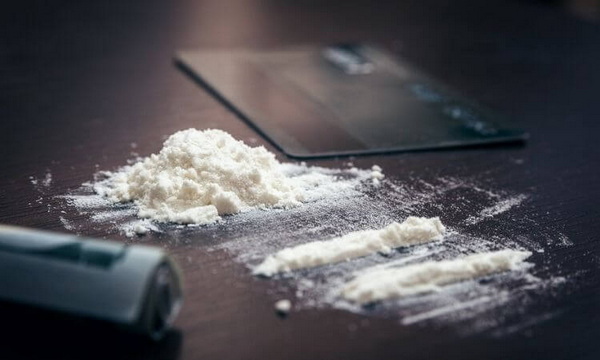
Benzocaine is an ester local anesthetic developed in the late 19th century for topical anesthesia. It belongs to the ester family of anesthetics, which also includes procaine and tetracaine. Its mechanism involves blocking sodium channels on nerve membranes, thereby preventing the transmission of pain signals to the brain. Due to its efficacy and relatively low toxicity when applied topically, benzocaine has been adopted in numerous commercial products designed to alleviate localized pain.
Benzocaine comes primarily in a crystalline powder form, which pharmaceutical companies use as a raw material to manufacture various topical formulations. These formulations include ointments, creams, gels, sprays, lozenges, and patches, all intended for external or mucosal surface use. The powder form facilitates accurate dosing and easy incorporation into product formulations, making it a versatile starting material for manufacturers.
The major application of benzocaine is as a topical analgesic. It is commonly used for temporary relief of pain due to minor burns, insect bites, sore throat, and dental procedures. The drug is favored in topical formulations because it acts quickly and provides effective surface numbness. However, it is important to note that benzocaine is not approved or generally utilized as an injectable anesthetic due to its pharmacological and physicochemical limitations.
In pharmaceutical terms, rehydration refers to the process of adding a sterile liquid, often sterile water or saline, to a powdered drug to dissolve or suspend it in preparation for administration. This process is common when handling drugs that are formulated as lyophilized (freeze-dried) powders, which improve stability and shelf life before reconstitution.
Benzocaine is characterized by poor water solubility. As an ester anesthetic, its molecular structure favors solubility in organic solvents rather than in aqueous environments. This lack of water solubility makes the direct rehydration of benzocaine powder into a clear, injectable aqueous solution a difficult proposition, as significant undissolved particles may remain, rendering the solution unsafe and unsuitable for injection.
The solubility of benzocaine in water is minimal, with enhanced solubility in acidic or organic solvent environments but not enough for medical injection purposes. Attempts to dissolve benzocaine powder in sterile water typically result in a cloudy suspension rather than a clear solution, which is essential for injection safety to avoid embolism or local tissue damage.
Benzocaine formulations are intended exclusively for external use. These include gels, creams, sprays, and lozenges, which provide localized anesthesia by topical application to skin or mucous membranes. Such products act at the point of contact and do not require systemic absorption or injection.
Unlike amide anesthetics such as lidocaine or bupivacaine, benzocaine is rarely, if ever, formulated for injection. This is largely due to its chemical properties, notably its poor water solubility, and associated safety risks. Injectable anesthetics require formulations that dissolve entirely in water-based solvents to ensure safe intravenous, intramuscular, or subcutaneous administration. Benzocaine's formulation as an ester further complicates its metabolic profile if injected, increasing risks of adverse effects.
Injecting benzocaine may cause serious health risks, including methemoglobinemia—a condition in which the oxygen-carrying capacity of blood is severely impaired. Methemoglobinemia can lead to cyanosis, hypoxia, and even death if untreated. Additionally, undissolved benzocaine particles or improper formulation can cause embolisms, allergic reactions, tissue irritation, and systemic toxicity. Therefore, medical guidelines strongly advise against the injectable use of benzocaine powder.
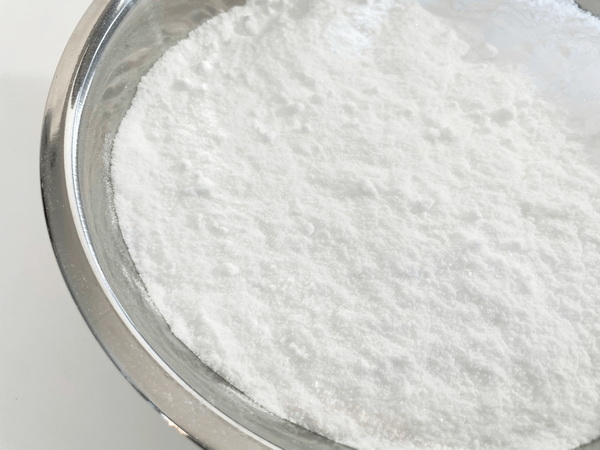
Safer and medically approved injectable local anesthetics belong to the amide class, such as lidocaine, bupivacaine, and mepivacaine. These compounds are water-soluble or can be formulated to dissolve fully in aqueous solutions that are sterile and safe for injection. They have established clinical uses in regional anesthesia, nerve blocks, and local infiltration procedures with well-defined dosing protocols and safety profiles.
Given benzocaine's low water solubility, lack of approved injectable products, and associated risks, preparing an injectable solution from benzocaine powder is not recommended or recognized in pharmaceutical practice. Proper injectable anesthetics are formulated through rigorous manufacturing processes, including solubility optimization, sterilization, and safety testing, to ensure patient safety and efficacy.
Injectable drug preparation follows strict pharmaceutical standards mandated by regulatory authorities. These include:
- Using sterile, pyrogen-free solvents and equipment
- Ensuring complete dissolution and clarity of solutions
- Conducting stability, compatibility, and toxicity tests
- Packaging in sterile vials or ampoules under aseptic conditions
- Maintaining batch record documentation and quality control
These practices guarantee that injected drugs meet safety and efficacy requirements—criteria benzocaine powder cannot meet in injectable form.
Rehydrating benzocaine powder and injecting it is neither safe nor practical. Benzocaine's primary role remains as a topical anesthetic because of its chemical limitations and safety concerns, particularly poor water solubility and risk of methemoglobinemia. For injectable anesthesia, medically approved compounds like lidocaine and bupivacaine should be used. If you are a brand owner, wholesaler, or manufacturer seeking high-quality benzocaine powder for topical product development or OEM services, contact us. Our expertise in pharmaceutical-grade raw materials and manufacturing allows us to provide reliable, compliant products tailored to your needs.

Benzocaine is poorly water-soluble and not formulated for injectable use. Attempts to dissolve it in water for injection typically fail to produce a clear, safe solution.
Injecting benzocaine is strongly discouraged due to serious risks such as methemoglobinemia and potential tissue damage.
Lidocaine, bupivacaine, and related amide anesthetics are the preferred and safe options for injection.
Benzocaine is commonly used in topical products like gels, sprays, and lozenges for local pain relief.
Pharmaceutical-grade benzocaine powder is available from reputable manufacturers, especially in China, suitable for topical formulation and OEM production.
[1] https://keypublishing.org/jhed/wp-content/uploads/2020/07/13.-%C5%BDeljka-Marjanovi%C4%87-Balaban.pdf
[2] https://www.made-in-china.com/products-search/hot-china-products/Anesthetic_Powder_Benzocaine.html
[3] https://www.pccarx.com/Blog/2-tips-for-compounding-with-lidocaine-and-lidocaine-hcl
[4] https://www.made-in-china.com/products-search/hot-china-products/Benzocaine_Powder_Factory.html
[5] https://www.reddit.com/r/chemhelp/comments/16xdpe9/benzocaine_hcl_mixture_ratio_with_water/
[6] https://patents.google.com/patent/CN112516074A/en
[7] https://go.drugbank.com/drugs/DB01086
[8] https://v.youku.com/v_show/id_XNTAzMzEwNTgwOA==.html
[9] https://www.sciencedirect.com/science/article/pii/S2211715623000693
[10] https://www.made-in-china.com/products-search/hot-china-products/Supply_Benzocaine.html
Hot tags: Rehydrate Benzocaine, Injecting Benzocaine, Benzocaine Injection Risks, Benzocaine Powder Use, Local Anesthetic Injection, Benzocaine Safety, Injectable Benzocaine, Medical Use of Benzocaine, Benzocaine Preparation, Benzocaine Dosage Guidelines