Content Menu
● How Ibuprofen and Paracetamol Complement Each Other
● Key Benefits of the Combination
● Safe Dosage and Administration Guidelines
● Who Should Exercise Caution or Avoid the Combination?
● Potential Side Effects and Monitoring
● Drug Interactions to Watch For
● Considerations for Special Populations
>> Pregnancy and Breastfeeding
>> Pediatrics
>> Elderly and Chronic Conditions
● Clinical Evidence Supporting the Combination
● Practical Tips for Everyday Use
● OEM Manufacturing for High-Quality Combo Products
● FAQ
>> 1. Is it safe to take ibuprofen and paracetamol daily long-term?
>> 2. What should I do if I accidentally overdose on this combination?
>> 3. Can children under 16 safely take both medications together?
>> 4. Does alcohol consumption affect the safety of this combination?
>> 5. Are generic combination tablets from overseas manufacturers reliable?
For most adults and children over 16, ibuprofen and paracetamol (also known as acetaminophen) can be safely taken together for short-term pain relief. These two medications work through different mechanisms, providing complementary effects that often deliver better results than using either one alone, especially for moderate pain such as headaches, dental issues, or muscle strains. However, always adhere strictly to recommended dosages and consult a healthcare professional if you have underlying health conditions or are taking other medications.
Ibuprofen is a widely used non-steroidal anti-inflammatory drug, commonly abbreviated as NSAID. It effectively reduces pain, fever, and inflammation by inhibiting the enzymes cyclooxygenase-1 (COX-1) and cyclooxygenase-2 (COX-2), which are responsible for producing prostaglandins—chemicals in the body that promote inflammation, pain, and fever. This makes ibuprofen particularly useful for conditions involving swelling, such as arthritis, sprains, menstrual cramps, or back pain.
For adults, the typical dosage is 200 to 400 milligrams every 6 to 8 hours, with a maximum daily intake of 1,200 milligrams unless directed otherwise by a doctor. It is best taken with food or milk to minimize potential stomach irritation, a common side effect. Long-term use without supervision can lead to more serious issues like gastrointestinal bleeding or kidney problems, so it is ideal for short-term relief.
Ibuprofen comes in various forms, including tablets, capsules, gels, and suspensions, making it versatile for different needs. Athletes and those with chronic joint issues often rely on it for quick recovery from inflammation-related discomfort.
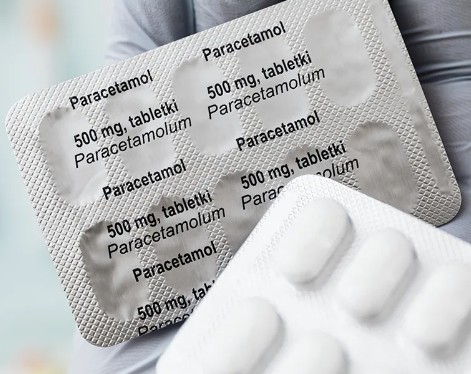
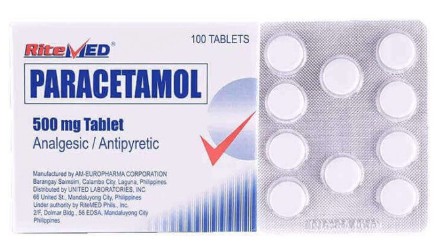
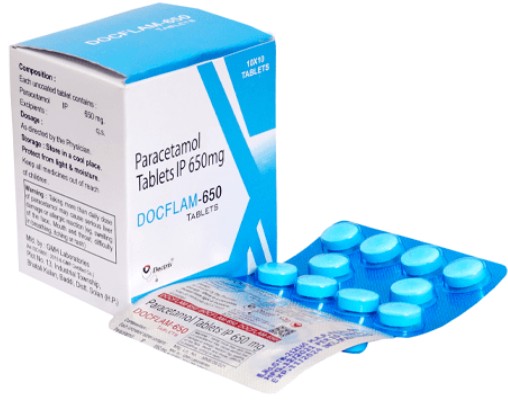
Paracetamol, known as acetaminophen in some regions, is one of the most common over-the-counter medications for pain relief and fever reduction. Unlike ibuprofen, it has minimal anti-inflammatory properties and primarily works in the central nervous system by blocking pain signals in the brain and influencing the body's temperature regulation center in the hypothalamus.
The standard adult dose is 500 to 1,000 milligrams every 4 to 6 hours, not exceeding 4,000 milligrams in 24 hours. This limit is critical because excessive intake can cause severe liver damage, even in healthy individuals. Paracetamol is gentler on the stomach than NSAIDs, making it suitable for people prone to gastrointestinal issues, and it is often the first choice for headaches, colds, flu symptoms, or post-vaccination soreness.
Available in effervescent tablets, syrups, and suppositories, paracetamol is a staple in household medicine cabinets worldwide. Its safety profile is excellent when used correctly, but hidden sources in combination products can lead to accidental overdoses.
The beauty of combining ibuprofen and paracetamol lies in their synergistic action. Ibuprofen targets peripheral inflammation at the site of injury or pain, reducing swelling and prostaglandin-mediated discomfort. Paracetamol, meanwhile, acts centrally to raise the pain threshold and lower fever more effectively. Together, they address pain from multiple angles, often providing relief that surpasses what either drug achieves solo.
Clinical observations, particularly in postoperative dental pain, demonstrate that this duo can reduce pain scores more rapidly and sustain relief longer. For instance, someone suffering from a severe migraine might find paracetamol eases the throbbing while ibuprofen combats associated neck tension. Importantly, no significant pharmacokinetic interactions occur between them, meaning neither alters how the body processes the other.
Healthcare guidelines from sources like the UK's National Health Service endorse this combination for short-term use in appropriate patients. Staggering doses—such as taking paracetamol first, then ibuprofen 30 to 60 minutes later—can maintain steady relief without overlapping peaks. This approach is especially helpful during acute episodes like flu or injury recovery.
Combining these medications offers several advantages. First, it enhances overall pain control for conditions like toothaches, period pain, sore throats, or minor surgical recovery, often allowing patients to avoid stronger prescription opioids. Second, the fever-lowering effects are amplified, proving invaluable during infections or post-exercise recovery.
Third, for those managing chronic but intermittent issues such as osteoarthritis flares, alternating the two can extend relief intervals. Convenience is another plus: fixed-dose combination tablets, containing both active ingredients, simplify regimens and reduce pill burden. These products are increasingly popular in global markets, offering branded reliability with cost-effective generics.
Finally, this pairing supports multimodal pain management, aligning with modern recommendations to layer therapies—like rest, hydration, and heat—rather than relying on a single agent. Patients report higher satisfaction and functionality during treatment.
Proper dosing is paramount to safety. For adults over 16, take 200-400mg ibuprofen every 6-8 hours alongside 500-1,000mg paracetamol every 4-6 hours, ensuring the daily caps are not exceeded. Children aged 6-16 require weight-based calculations: about 5mg/kg for ibuprofen and 15mg/kg for paracetamol, always under medical guidance.
Time doses thoughtfully—ibuprofen benefits from food to protect the stomach lining, while paracetamol can be taken anytime. Use a pill organizer or app to track intake, preventing overlaps. If symptoms persist beyond 3 days or worsen, seek professional advice promptly.
Hydration supports kidney function, especially with ibuprofen, and avoiding alcohol minimizes liver strain from paracetamol. For fever in children, lukewarm baths complement pharmacological relief.
Not everyone can safely combine these drugs. Individuals with peptic ulcers, a history of gastrointestinal bleeding, severe kidney or liver disease, or uncontrolled hypertension should avoid ibuprofen altogether, as it can exacerbate these conditions. Those with asthma may experience bronchospasm triggered by NSAIDs.
Pregnant individuals can use paracetamol throughout gestation but should limit ibuprofen to the first two trimesters, avoiding it entirely after 30 weeks due to fetal risks like premature ductus arteriosus closure. Breastfeeding mothers generally find both safe in moderation, though monitoring for infant drowsiness is wise.
Elderly patients metabolize drugs slower, necessitating halved doses and closer monitoring. Anyone on blood thinners (e.g., warfarin), diuretics, SSRIs, or other NSAIDs faces heightened bleeding or efficacy risks. Always disclose full medication lists to pharmacists or doctors.
Common side effects of ibuprofen include indigestion, nausea, headache, or dizziness, typically mild and food-preventable. Paracetamol rarely causes issues beyond allergic rashes at therapeutic doses. The combination may slightly elevate gastrointestinal risks over time, manifesting as heartburn or abdominal pain.
Rare but serious concerns include ibuprofen-linked cardiovascular events with chronic high-dose use or paracetamol-induced liver toxicity from overdose. Symptoms like yellowing skin, dark urine, or severe stomach pain demand immediate medical attention. Regular users should watch for unexplained bruising or fatigue.
Proactive management—staying under limits, using antacids if needed, and annual check-ups—keeps risks low. Most experience only benefits with prudent use.
Interactions amplify hazards. Combining with other NSAIDs like aspirin or naproxen doubles gastrointestinal and kidney burdens. Paracetamol pairs poorly with heavy alcohol or drugs taxing the liver, such as certain antiepileptics. Ibuprofen can reduce efficacy of blood pressure medications or increase lithium levels.
Herbal remedies like ginkgo or garlic heighten bleeding potential with ibuprofen. Always cross-check with tools like drug interaction checkers or professionals. In polypharmacy scenarios, deprescribing or alternatives may be preferable.
Paracetamol remains the go-to analgesic during pregnancy, with ibuprofen acceptable early on. Postpartum, both pass minimally into breast milk, but paracetamol is favored for its lower risk profile.
For children under 16, guidelines often recommend alternating rather than simultaneous dosing to minimize exposure. Pediatric formulations ensure accurate, palatable delivery, but parental vigilance is essential.
Age-related declines in organ function demand conservative dosing. Those with diabetes or heart disease benefit from tailored plans integrating lifestyle modifications.
Numerous studies validate this approach. In dental surgery trials, combination therapy halved rescue analgesic needs compared to monotherapy. Pediatric fever studies show faster normalization rates. Meta-analyses confirm additive pain relief without disproportionate adverse events for short durations.
Long-term data cautions against prolonged use, noting elevated gastrointestinal events. Nonetheless, for acute scenarios, evidence strongly favors the combo as a first-line option over opioids.
Incorporate non-drug strategies: apply ice for inflammation, elevate limbs, and practice relaxation techniques. Track symptoms in a journal to identify patterns. For travelers, pack both in carry-ons with clear labeling.
During illnesses, prioritize rest and fluids. Apps like Medisafe offer reminders tailored to combination regimens. Consult pharmacists for region-specific brands.
Reputable manufacturers, particularly in China's biotech hubs, produce GMP-certified ibuprofen-paracetamol tablets tailored for international brands, wholesalers, and producers. These facilities ensure over 99% purity, precise uniformity, and compliance with global standards like WHO-GMP and USP.
OEM services allow customization—flavors, strengths, packaging—for private labels, enabling competitive market entry. Advanced processes like high-shear granulation and automated coating guarantee stability and bioavailability. Quality controls include dissolution testing, microbial assays, and stability studies under ICH guidelines.
For exporters, these factories provide regulatory dossiers, COAs, and scalable production from pilot to commercial volumes. This supports pain relief portfolios amid rising demand for affordable, effective generics. As a leader in biotech and pharma OEM (supplybenzocaine.co.uk), we specialize in seamless partnerships for medical devices, health products, and APIs, delivering from R&D to shelf-ready goods.
In summary, taking ibuprofen with paracetamol is a safe, effective strategy for short-term pain and fever management in suitable individuals, offering superior relief through complementary mechanisms. Adherence to dosages, awareness of contraindications, and professional consultation ensure optimal outcomes while minimizing risks.
Elevate your brand with premium OEM ibuprofen-paracetamol formulations. Contact supplybenzocaine.co.uk today for samples, quotes, and bespoke production solutions. Partner with us to meet global demand—email [email protected] now and let's innovate pain relief together!
Contact us to get more information!
No, reserve the combination for short-term use under 3 days without medical supervision, as prolonged intake heightens risks of gastrointestinal bleeding from ibuprofen and liver strain from paracetamol.
Seek emergency medical care immediately. For paracetamol, an antidote like N-acetylcysteine can mitigate liver damage if administered within 8-10 hours; activated charcoal may help early on.
Guidelines recommend staggering doses rather than simultaneous use for those under 16; always calculate by weight and consult a pediatrician for personalized advice.
Yes, alcohol significantly increases liver toxicity risks with paracetamol and gastrointestinal irritation with ibuprofen—abstain completely during treatment.
Absolutely, when sourced from GMP-certified factories; verify certifications like WHO-GMP, review COAs for purity, and ensure compliance with your region's pharmacopeia standards.
1. https://wearephlo.com/post/can-i-take-paracetamol-and-ibuprofen-together
2. https://m.weibangbio.com/china-paracetamol-plus-ibuprofen-suppliers/
3. https://www.nhs.uk/medicines/ibuprofen-for-adults/
4. https://sinipharma.com/products/ibuprofen-paracetamol-tablets/
5. https://www.youtube.com/watch?v=2324zMLFYC8
6. https://www.weibangbio.com/paracetamol-plus-ibuprofen-exporter/
7. https://www.boots.com/healthhub/pain/managing-pain/how-to-take-pain-relief
8. https://www.reddit.com/r/chinalife/comments/1bm8p3c/in_the_west_doctors_advise_that_you_can_take/
9. https://www.carehospitals.com/medicine-detail/ibuprofen-paracetamol
10. https://www.apollopharmacy.in/salt/Ibuprofen+paracetamol
Hot tags: Ibuprofen Paracetamol Combination, Safe to Take Ibuprofen and Paracetamol, Dosage for Ibuprofen and Paracetamol, Ibuprofen Paracetamol Side Effects, Can You Mix Ibuprofen and Paracetamol, Ibuprofen Paracetamol Pain Relief, Taking Ibuprofen with Paracetamol, Ibuprofen Paracetamol Guidelines, Ibuprofen Paracetamol for Children, Ibuprofen Paracetamol Interaction