Content Menu
● Using Lidocaine HCL on the Face: Is It Safe?
● Proper Application of Lidocaine HCL on the Face
● Dosage Guidelines for Facial Use
● Potential Side Effects from Facial Application
● Why Choose Lidocaine HCL for Facial Procedures?
● Clinical and Cosmetic Uses on the Face
● Important Precautions and Warnings
● Interactions and Special Considerations
● How to Manage Possible Side Effects
● Frequently Asked Questions (FAQs)
>> 1. Can Lidocaine HCL cause allergic reactions on the face?
>> 2. How long does the numbing effect last on the face?
>> 3. Is it safe to apply Lidocaine HCL on broken or irritated facial skin?
>> 4. Can Lidocaine HCL be used daily on facial skin safely?
>> 5. What should I do if Lidocaine HCL gets into my eyes?
Lidocaine hydrochloride (Lidocaine HCL) is a widely used local anesthetic, helping to numb tissues to reduce pain and discomfort during medical or cosmetic procedures. Its topical forms—such as creams, gels, sprays, and solutions—are commonly applied to skin or mucous membranes. Many people ask whether Lidocaine HCL can be safely used on the delicate skin of the face. This article thoroughly discusses the appropriate use, safety considerations, benefits, risks, and professional guidelines around applying Lidocaine HCL on facial skin.
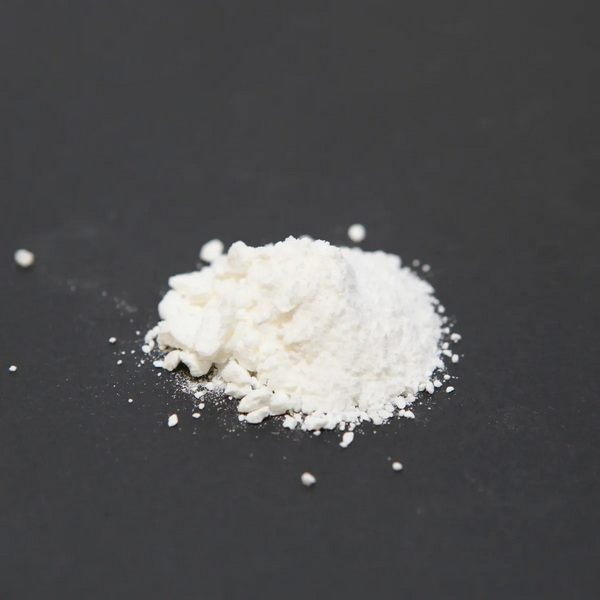
Lidocaine HCL is a synthetic compound that blocks nerve signals in the body to prevent pain sensation. Available in different formulations, it is FDA-approved for topical application to relieve minor skin irritations, numb the skin for minor surgeries, biopsies, injections, and reduce pain for cosmetic procedures.
Yes, topical Lidocaine HCL can be used safely on facial skin when following proper guidelines. Many dermatologists and medical professionals employ Lidocaine cream or gel before procedures like laser treatments, Botox or filler injections, tattooing, or skin biopsies to minimize discomfort.
However, key safety precautions include:
- Do not apply on broken, irritated, inflamed, or infected skin.
- Avoid use near sensitive areas such as eyes, nostrils, or mouth unless specifically prescribed.
- Use the concentration and amount recommended by healthcare providers or indicated on product labels.
- Follow directions carefully to avoid excessive application or systemic absorption.
To safely and effectively use Lidocaine HCL on the face, follow these steps:
1. Prepare the skin: Clean the area thoroughly to remove oils and impurities.
2. Apply sparingly: Use a thin layer of cream or gel to the specific area needing numbness.
3. Timing: Allow 15 to 60 minutes for the Lidocaine to take effect depending on concentration and procedure.
4. Avoid sensitive regions: Prevent contact with eyes, lips, or inside nostrils.
5. Wash hands: After application, wash hands thoroughly to avoid transferring Lidocaine to unintended areas.
6. Do not exceed dose: Be mindful of maximum daily usage to prevent toxicity.
7. Consult professionals: Always seek guidance from a dermatologist or healthcare practitioner for face applications.
Typical doses vary by formulation and strength:
- 0.5% spray: Apply up to 3-4 times a day; use sparingly on face by spraying in palm, then applying gently.
- 3%-5% cream or gel: Apply a thin film 2-4 times daily as needed.
- Maximum single application: Usually limited to 5 grams of ointment or cream per use.
- Maximum daily dose: Do not exceed about 20 grams total in any 24-hour period.
Dosing adjustments may be necessary depending on age, weight, and overall health status. Children and sensitive individuals require particular attention to dosing and frequency.
Though generally safe, topical lidocaine can cause some adverse effects, including:
- Mild skin irritation: redness, burning, itching, or swelling at application site.
- Allergic reactions: rash, hives, or more severe hypersensitivity responses.
- Systemic toxicity (rare): from over-application or broken skin absorption can cause dizziness, rapid heartbeat, numbness in other areas, or seizures.
- Methemoglobinemia: a rare blood disorder linked to excessive use of topical anesthetics.
Seek immediate care if serious symptoms such as breathing difficulty, facial swelling, or severe dizziness occur.

Lidocaine HCL offers:
- Rapid onset of action (usually within 5-10 minutes).
- Moderate duration of numbing (up to 30 minutes).
- Versatility for various skin procedures including injections, laser treatments, and tattooing.
- Favorable safety profile compared to some other topical anesthetics.
Its fast action and ease of use make it a common choice for both medical and cosmetic facial applications.
Lidocaine HCL is utilized in:
- Laser skin resurfacing and other dermatological treatments.
- Botox and dermal filler administration to reduce injection pain.
- Minor skin biopsies/mole removals.
- Microblading and tattooing for pain control.
- Temporary relief from cold sore discomfort or minor facial wounds.
- Avoid use in children under two years unless advised by a physician.
- Inform your healthcare provider of any allergies to lidocaine or similar compounds.
- Do not combine with other lidocaine-containing products concurrently.
- Exercise caution in patients with heart or liver conditions due to altered lidocaine metabolism.
- Always remove dressings/bandages as instructed and do not expose patches or creams to excessive moisture unless directed.
- Lidocaine can interact with other medications, particularly those affecting heart rhythm or liver enzymes.
- Patients using medications for arrhythmias or who have significant liver disease should discuss with a doctor before topical lidocaine use.
- Prolonged or widespread application increases risk of systemic absorption and toxicity.
- Use only formulations intended for topical skin use; avoid unapproved preparations.
If minor irritation occurs, discontinue use and observe. For allergic reactions, seek medical advice promptly. In case of signs of toxicity (such as ringing in ears, dizziness, irregular heartbeat), seek emergency medical care.
Lidocaine HCL is effective and generally safe for facial topical anesthesia when used responsibly. It alleviates pain and discomfort associated with various cosmetic and minor medical procedures. Respecting dosage limits, avoiding sensitive or broken skin, and consulting healthcare professionals ensure safe outcomes. For businesses or brands needing premium Lidocaine HCL formulations for OEM or distribution, professional manufacturing partnerships can provide reliable, high-quality products tailored to medical and cosmetic needs worldwide.
Ready to supply your customers with trusted Lidocaine HCL products and enhance your brand portfolio? Contact us today to discuss custom formulation and manufacturing options designed to meet rigorous quality standards.

Yes, although rare, it may cause redness, itching, rash, or swelling. It is advised to perform a patch test before full application and consult a healthcare professional if symptoms appear.
Typically, numbing starts within 5 to 10 minutes and lasts for approximately 15 to 30 minutes depending on concentration and usage.
No, it should not be used on open wounds, broken, inflamed, or infected skin to prevent irritation and harmful systemic absorption.
Daily use is not recommended without medical supervision due to risk of side effects and potential toxicities.
Rinse eyes immediately and thoroughly with clean water or saline for at least 15 minutes and seek medical attention promptly.
[1](https://www.drugs.com/dosage/lidocaine-topical.html)
[2](https://www.nhs.uk/medicines/lidocaine-skin-cream/how-and-when-to-use-lidocaine-skin-cream/)
[3](https://www.mayoclinic.org/drugs-supplements/lidocaine-topical-application-route/description/drg-20072776)
[4](https://www.mayoclinic.org/drugs-supplements/lidocaine-and-prilocaine-topical-application-route/description/drg-20062126)
[5](https://www.webmd.com/drugs/2/drug-11492/lidocaine-viscous-mucous-membrane/details)
[6](https://pmc.ncbi.nlm.nih.gov/articles/PMC8399637/)
[7](https://www.fagronacademy.us/blog/understanding-topical-anesthetics)
[8](https://www.tylenol.com/safety-dosing/what-is-topical-lidocaine)
[9](https://healthy.kaiserpermanente.org/health-wellness/drug-encyclopedia/drug.lidocaine-hcl-4-40-mg-ml-mucosal-solution.227885)
[10](https://www.drugs.com/pro/lidocaine-topical-oral-solution.html)
Hot tags: Lidocaine HCL Uses, Lidocaine for Facial Pain, Topical Anesthetic for Face, Lidocaine Side Effects, Facial Numbing Cream, Lidocaine Application Tips, Safe Use of Lidocaine, Lidocaine for Cosmetic Procedures, Lidocaine Allergic Reactions, Lidocaine Dosage Guidelines