Content Menu
● Chemical Differences Between Procaine and Lidocaine
● Understanding Allergic Reactions to Local Anesthetics
● Cross-Reactivity Between Procaine and Lidocaine Allergies
● Confirming Allergy Status and Safe Use of Lidocaine
● Practical Recommendations for Healthcare Providers
● The Role of Additives and Preservatives
● Broader Implications for Anesthetic Use and Patient Safety
● Frequently Asked Questions (FAQ)
>> 1. Can a person allergic to procaine safely use lidocaine?
>> 2. How are allergies to local anesthetics diagnosed?
>> 3. What if I am allergic to both procaine and lidocaine?
>> 4. Are allergic reactions to lidocaine common?
>> 5. Should I worry about preservatives in local anesthetics?
Local anesthetics are indispensable in medical and dental procedures, providing effective pain relief during everything from minor surgeries to routine dental treatments. Two of the most commonly used local anesthetics worldwide are procaine and lidocaine. However, allergic reactions to these drugs, while rare, pose a significant clinical concern, especially when a patient has an allergy to one anesthetic and the question arises whether another can be safely used. This article explores the details surrounding the use of lidocaine in patients allergic to procaine, including their chemical differences, the nature of allergic reactions, clinical guidelines for safe use, and recommendations based on scientific research.
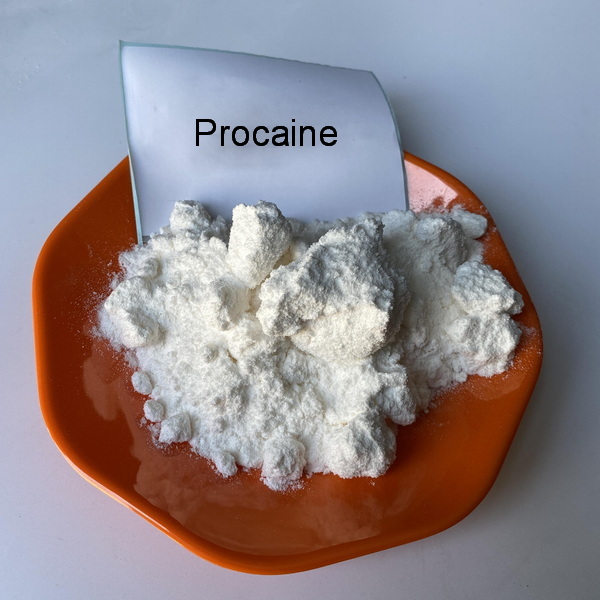
Procaine is classified as an ester-type local anesthetic, originally introduced in the early 20th century. It is primarily used for short procedures due to its relatively brief duration of action. Procaine is metabolized in the plasma by enzymes called esterases, which break it down into para-aminobenzoic acid (PABA), a metabolite known to sometimes provoke allergic reactions.
In contrast, lidocaine is an amide-type local anesthetic, discovered in the 1940s, and widely regarded as the gold standard for local anesthesia across multiple medical specialties. Lidocaine's metabolic processing occurs primarily in the liver, and it tends to have a longer duration of action, making it suitable for a broad range of medical and dental applications.
The distinction between ester and amide anesthetics is crucial because allergies tend to be specific to one class. Allergic reactions to ester anesthetics like procaine are mainly due to the PABA metabolite, while allergic reactions to amide anesthetics like lidocaine are exceedingly rare and often associated with other components in the formulation, rather than the active drug itself.
True allergic reactions to local anesthetics are uncommon but can present serious clinical challenges. These reactions may be classified as:
- Type I (Immediate) Hypersensitivity: An IgE-mediated allergy, which can cause symptoms like itching, hives, swelling, respiratory distress, and even anaphylaxis.
- Type IV (Delayed) Hypersensitivity: A less common reaction, manifesting as contact dermatitis or localized swelling occurring hours to days after exposure.
Many reported “allergic” reactions, especially with esters like procaine, may instead be non-allergic adverse responses, such as vasodilation-induced erythema, anxiety-related symptoms, or reactions to preservatives and additives in the anesthetic solution.
A comprehensive study involving 177 patients receiving intracutaneous injections of procaine, lidocaine, and mepivacaine found no evidence of type 1 allergic reactions to any of these anesthetics. The erythema and wheal formation observed after procaine injection were temporarily larger but lacked other signs of allergy such as itching or systemic symptoms. This indicates that many skin responses attributed to procaine allergy may be non-allergic physiological reactions rather than true allergic hypersensitivity.[3][4]
Since procaine is an ester and lidocaine an amide, their chemical structures differ significantly. This difference accounts for the low likelihood of cross-reactivity between these two classes. A patient allergic to procaine typically does not react allergically to lidocaine.
Clinical experience and documented cases support that patients who exhibit allergic reactions to procaine generally tolerate lidocaine well. For instance, skin testing often reveals positive reactions to one but not the other, confirming that lidocaine may be a safe alternative in those with procaine allergy.[1][8]
When a patient reports a history of allergy to local anesthetics, professional evaluation is essential before administering alternatives. Allergy testing involves:
- Skin prick tests and intracutaneous tests to detect immediate hypersensitivity reactions.
- Patch testing for identifying delayed hypersensitivity.
- Provocation tests in controlled settings to confirm drug tolerance.
Reports include cases where a patient allergic to lidocaine was subsequently tested and tolerated procaine, illustrating the non-cross-reactive nature of these anesthetics. In another example, after a positive lidocaine allergy test, procaine was used successfully for dental anesthesia, though its shorter duration posed some clinical challenges.[2][1]
This testing ensures that when lidocaine is prescribed to a procaine-allergic patient, the risk of adverse reactions is minimized.
1. Obtain a thorough allergy history: Documentation should include the nature of the reaction, timing, severity, and prior anesthetic exposures.
2. Refer to an allergist or immunologist: Skin and patch testing protocols are critical to defining true allergies.
3. Administer test doses cautiously: Even with negative allergy tests, initial administrations of lidocaine should be observed for any hypersensitivity signs.
4. Consider alternative anesthetics: For patients allergic to both procaine and lidocaine (rare but reported), other amide anesthetics such as bupivacaine and mepivacaine may be viable options.
5. Prepare for emergency management: Always have emergency medications and equipment available during local anesthetic administration.
It is important to note that allergic reactions are sometimes directed not at the anesthetic molecule itself but at preservatives such as methylparaben, or vasoconstrictors like epinephrine added to formulations. These agents can cause hypersensitivity reactions mimicking allergy to the anesthetic itself.
In cases of suspected allergy, preservative-free or alternative formulations can be used under medical supervision to differentiate the cause of the reaction.[8]
While ester anesthetics such as procaine have been traditionally considered higher risk for allergic reactions, emerging evidence shows that this risk may be overstated. Recent medical literature and controlled studies have demonstrated that procaine does not have a higher allergenic potential than amide anesthetics like lidocaine.
This broader understanding allows clinicians to utilize both types of anesthetics more confidently, expanding options for patients, particularly when allergy is a concern. Precision in allergy testing, combined with an updated knowledge base, enhances patient safety and outcomes.
Patients with an allergy to procaine, an ester-type local anesthetic, can generally use lidocaine, an amide-based anesthetic, safely due to minimal cross-reactivity between these drug classes. True allergic reactions to local anesthetics are rare, and many adverse symptoms are non-allergic in nature. Allergy testing, including skin and intracutaneous tests, is vital to safely identify allergenic agents and guide clinical decisions.
Healthcare professionals must take comprehensive allergy histories and collaborate with allergy specialists as needed to ensure safe anesthetic administration. Awareness of additive-related allergies is also critical. By employing current scientific insights and best practices, optimal pain management can be achieved without compromising patient safety.
For biotechnological and pharmaceutical companies or healthcare providers seeking customized, high-quality local anesthetic products, professional manufacturers like supplybenzocaine.co.uk offer tailored OEM services to meet global standards.
Contact us today to learn more about our innovative anesthetic solutions crafted to advance patient care with safety and reliability.
Yes. Since procaine is an ester and lidocaine an amide anesthetic, allergic cross-reactions are very rare. Allergy testing is recommended to confirm safety.
Through skin prick, intracutaneous, and patch testing conducted under medical supervision, alongside a detailed allergic history.
Other amide anesthetics like bupivacaine and mepivacaine can be alternatives. In some cases, general anesthesia might be necessary.
No, true lidocaine allergies are uncommon. Most reactions are due to additives or non-allergic physiological responses.
Yes. Allergies can be caused by preservatives like methylparaben in anesthetic formulations. Using preservative-free solutions can reduce this risk.
[1](https://jdapm.org/DOIx.php?id=10.17245%2Fjdapm.2016.16.3.209)
[2](https://www.dovepress.com/risk-of-true-allergy-to-local-anesthetics-10-year-experience-from-an-a-peer-reviewed-fulltext-article-TCRM)
[3](https://pmc.ncbi.nlm.nih.gov/articles/PMC6049527/)
[4](https://onlinelibrary.wiley.com/doi/abs/10.1155/2017/9804693)
[5](https://jamanetwork.com/journals/jamadermatology/fullarticle/479223)
[6](https://pmc.ncbi.nlm.nih.gov/articles/PMC8399637/)
[7](https://nagasaki-u.repo.nii.ac.jp/record/12/files/LRA13_99.pdf)
[8](https://www.clevelandclinicmeded.com/medicalpubs/pharmacy/JanFeb2001/allergicreaction.htm)
[9](https://pmc.ncbi.nlm.nih.gov/articles/PMC5586559/)
[10](https://www.pharmacytimes.com/view/how-to-address-patients-with-a-documented-lidocaine-allergy)
[11](https://www.clinicaladvisor.com/features/alternative-treatments-for-patients-with-lidocaine-allergies/)
Hot tags: Lidocaine Allergy, Procaine Allergy, Local Anesthetics, Cross-Reactivity, Anesthetic Alternatives, Allergy Testing, Amide Anesthetics, Ester Anesthetics, Lidocaine Alternatives, Procaine Use