Content Menu
● Understanding Novocaine Powder
● Common Uses of Novocaine Powder
● Common Side Effects of Novocaine
>> 1. Localized Pain and Redness
>> 3. Dizziness and Lightheadedness
>> 4. Numbness Beyond Target Area
>> 6. Heart Palpitations or Arrhythmias
>> 7. Nervousness or Restlessness
● Severe Side Effects and Emergency Signs
● How to Minimize and Manage Side Effects
● Novocaine Compared to Other Local Anesthetics
● Patient Experience and Safety Tips
● Frequently Asked Questions (FAQs)
>> 1. What is Novocaine powder used for?
>> 2. Are side effects from Novocaine powder serious?
>> 3. How long does Novocaine numbness last?
>> 4. Can I be allergic to Novocaine powder?
>> 5. What should I do if I experience side effects?
Novocaine powder, chemically known as procaine, is a widely used local anesthetic in dentistry and minor surgical procedures to numb specific body areas and prevent pain during treatment. It has been a fundamental tool in medical practice for decades, providing effective pain relief for various treatments. Despite its benefits, many patients have concerns and questions regarding the side effects and safety of Novocaine powder. This comprehensive guide aims to explain the common side effects, what patients should expect, and important safety considerations for those new to Novocaine and local anesthetics.
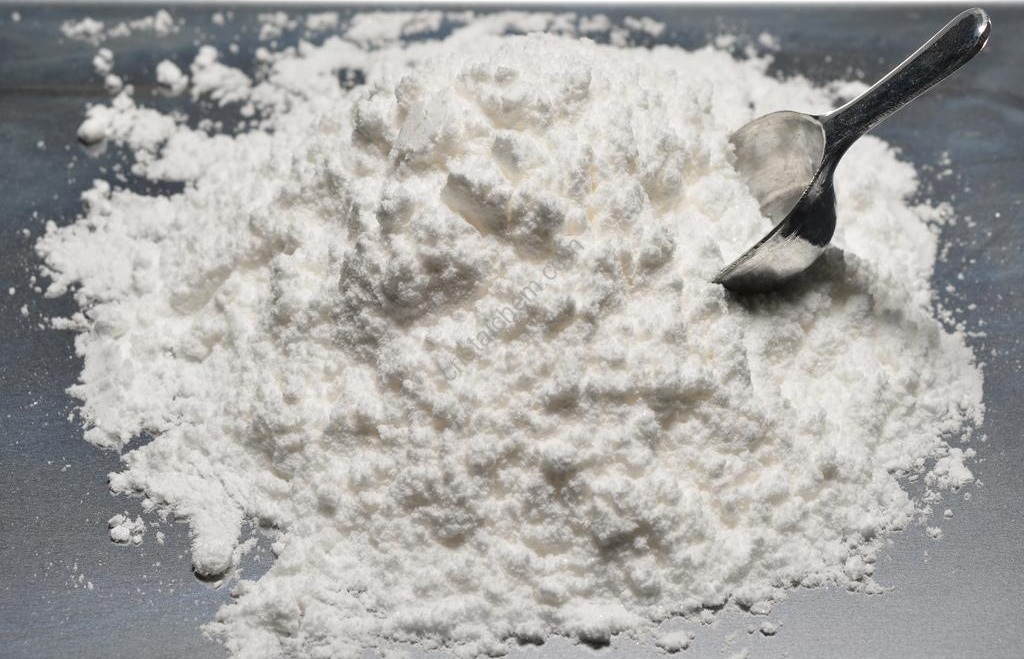
Novocaine belongs to a class of drugs called ester local anesthetics. It works by blocking nerve impulses that transmit pain signals to the brain, creating temporary numbness in the targeted area. Usually administered via injection or dissolved topical powder, Novocaine acts quickly, enabling clinicians to perform dental fillings, extractions, and minor surgeries painlessly.
Though newer anesthetics with prolonged effects and lower allergic risks have replaced Novocaine in many regions, it remains popular because of its cost-effectiveness and significant anesthetic properties.
When injected near nerves, Novocaine molecules penetrate nerve fibers and inhibit sodium channels responsible for transmitting pain signals. Without these signals reaching the brain, the patient experiences numbness instead of pain.
This effect starts within minutes and lasts for about 30 to 60 minutes, enabling procedures without discomfort. The drug is eventually metabolized by enzymes in the blood and excreted from the body.
Novocaine is predominantly used in:
- Dentistry: For numbing gums during cavity fillings, root canals, tooth extractions, and other dental care.
- Minor Surgeries: Including biopsies, minor skin procedures, and superficial tissue surgeries.
- Emergency Pain Management: Providing temporary pain relief in injury care or painful acute medical conditions.
Its effectiveness in producing localized numbness makes it invaluable in both medical and dental treatments worldwide.
While Novocaine is generally safe, patients may experience several side effects, most of which are mild and transient:
At the injection site, it is common to feel slight pain, tenderness, or redness. This irritation is typically caused by the needle puncture and the drug itself.
Slight swelling or bruising may appear around the injection site due to minor tissue trauma or an inflammatory response but usually resolves within a few days.
Some patients feel dizzy or lightheaded shortly after administration. This is often linked to anxiety or a temporary drop in blood pressure after the injection.
Occasionally, numbness spreads beyond the treated zone, affecting nearby tissues. This is normal and will decrease as the anesthetic wears off.
Although rare, allergic reactions can range from mild skin rashes and itching to severe anaphylaxis, which requires immediate medical intervention.
In uncommon cases, Novocaine may interfere with cardiac rhythm, leading to palpitations or rapid heartbeats. Medical evaluation is recommended if these occur.
Patients sometimes experience nervousness or jitteriness, possibly due to individual sensitivity to the drug.
A small number of patients report nausea or vomiting, which is usually mild and short-lived.
Patients must remain vigilant for symptoms that require urgent care:
- Difficulty breathing or swallowing
- Severe swelling of the face, lips, or tongue
- Intense chest pain or abnormal heartbeat
- Seizures, convulsions, or loss of consciousness
If any of these occur, immediate medical attention is critical.
To reduce risks and manage side effects effectively:
- Inform your healthcare provider about allergies, especially to ester anesthetics.
- Share a complete list of current medications and medical conditions.
- Follow all instructions given before and after the procedure.
- Avoid alcohol or strenuous activity immediately after treatment.
The numbness induced by Novocaine usually lasts between 1 and 3 hours, depending on the dose and individual metabolic rate. Other side effects such as redness or pain from injection typically resolve within 24 to 48 hours. Persistent or worsening symptoms should prompt a consultation with the healthcare provider.
Though Novocaine has been a cornerstone anesthetic, alternatives like lidocaine and articaine are gaining favor due to longer duration and lower allergy risks. The choice depends on clinical needs, patient history, and allergic predisposition.
Many patients worry about feeling pain or side effects during dental or medical procedures. Knowing what to expect helps alleviate anxiety:
- Share your fears and medical history openly with the dentist or doctor.
- Ask about what will happen during injection and how long numbness will last.
- Report any unusual sensations immediately during or after treatment.
- Follow post-care instructions carefully to avoid complications.
Healthcare providers are trained to monitor for adverse reactions and manage them swiftly should they arise.
Novocaine powder remains a trusted local anesthetic with proven effectiveness in pain management during dental and minor surgical procedures. Though its side effects are generally mild and temporary, patients should be aware of possible allergic reactions and symptoms that necessitate urgent medical care. Open communication with healthcare providers, proper pre-procedure screening, and attentive post-procedure care can greatly enhance treatment safety and comfort.
If you are interested in high-quality, reliable OEM suppliers of Novocaine powder and related pharmaceutical products, contact us today. We specialize in biotechnology, pharmaceuticals, and medical devices, offering comprehensive OEM services tailored to foreign brands, wholesalers, and manufacturers. Let us support your business with premium products and expert solutions. Contact us to know more!
Novocaine is primarily used as a local anesthetic to numb specific areas during dental treatments and minor surgical procedures, helping prevent pain.
Most side effects are mild and short-lived, such as temporary numbness or minor swelling. However, severe allergic reactions, though rare, require immediate medical attention.
Typically, numbness from Novocaine lasts from 1 to 3 hours depending on dosage and individual metabolism.
Yes, some individuals may have allergic reactions, especially those sensitive to ester-type local anesthetics. Inform your healthcare provider if you have any allergy history.
Monitor mild symptoms at home, but seek urgent medical care if you experience difficulty breathing, severe swelling, chest pain, or seizures.
Hot tags: Novocaine Side Effects, Common Side Effects of Novocaine, Novocaine Injection Reactions, Dental Anesthesia Risks, Procaine Side Effects, Numbness After Novocaine, Allergic Reactions to Novocaine, Novocaine Pain Management, Novocaine Safety Information, Understanding Novocaine Effects