Content Menu
● The Coca Plant: Origins and Cultural Significance
● Cocaine: The First Natural Local Anesthetic
● The Creation of Procaine: A Safer Synthetic Alternative
● How Procaine Differs Chemically and Medically from Cocaine
● Evolution of Local Anesthetics After Procaine
● The Legacy of Cocaine and Procaine in Medical Science
● Frequently Asked Questions (FAQs)
>> 1. Did procaine come from the coca plant?
>> 2. What are the key differences between cocaine and procaine?
>> 3. Is cocaine still used as a local anesthetic?
>> 4. Why was procaine invented?
>> 5. Can procaine be extracted from natural plants?
The origins of procaine, a widely used local anesthetic, often lead to questions about its relationship with the coca plant—well-known as the source of cocaine. This article explores the history and chemistry behind procaine, clarifying misconceptions, and explaining its distinction from cocaine, which is the natural anesthetic derivative of the coca plant. The journey from the coca leaf to synthetic anesthetics like procaine highlights significant advancements in medical science aimed at safe and effective pain control.
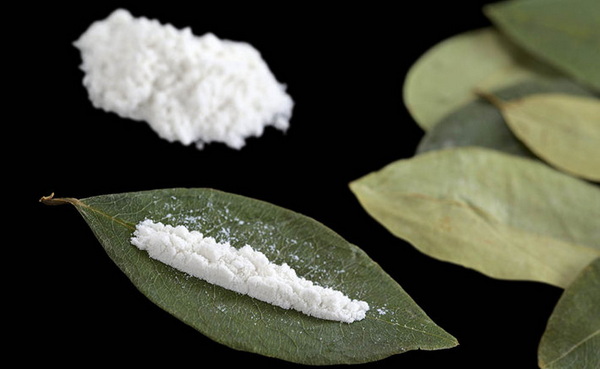
The coca plant (Erythroxylum coca), native to the Andean regions of South America, has been significant for indigenous cultures for thousands of years. Traditionally, coca leaves were chewed or brewed into teas to alleviate hunger, fatigue, and altitude sickness due to their stimulating effects. Scientifically, these leaves contain alkaloids, the most famous being cocaine, which would later revolutionize anesthesia.
The plant's natural alkaloid, cocaine, was isolated in the mid-19th century and became the first effective local anesthetic used in medicine. Although prized for its numbing qualities, cocaine's addictive and toxic effects created a demand for safer alternatives.[6]
Cocaine was extracted from coca leaves by Albert Niemann around 1859. This natural compound was groundbreaking when, in 1884, Austrian ophthalmologist Carl Koller discovered cocaine's ability to numb tissues locally. He demonstrated its use in eye surgery, marking the first clinical application of a local anesthetic.[2][7]
Cocaine quickly gained popularity in various surgical procedures due to its effectiveness. However, its drawbacks became evident: it possessed high addiction potential and caused serious toxic side effects. Medical personnel and patients alike suffered adverse effects and even fatalities. These shortcomings drove scientific efforts toward developing synthetic local anesthetics that would retain cocaine's benefits without the associated risks.[1][8]
In the early 20th century, German chemist Alfred Einhorn synthesized procaine in 1905, patenting it under the trade name Novocain. Unlike cocaine, procaine is a synthetic ester of 4-aminobenzoic acid. Its design aimed to replicate the desirable local anesthetic effects of cocaine while eliminating addiction risks and reducing toxicity.[9][10]
Procaine rapidly became a mainstay in medical and dental procedures, valued especially for nerve blocks and minor surgeries. Its slower onset and shorter duration compared to some modern anesthetics are balanced by a significantly safer profile, marking a monumental shift in anesthesia practice.[11]
While both cocaine and procaine act by blocking nerve conduction to induce numbness, they differ fundamentally in origin and safety. Cocaine is a natural alkaloid extracted from the coca plant, whereas procaine is synthesized chemically in laboratories. This synthetic production allows procaine to avoid cocaine's addictive properties and significant toxicity issues.
Cocaine also has stimulant and euphoric effects on the central nervous system, making it a substance of abuse. Procaine lacks these properties, making it suitable for widespread medical use. This difference has been central to procaine's acceptance and popularity as a safer anesthetic alternative.[1][9]
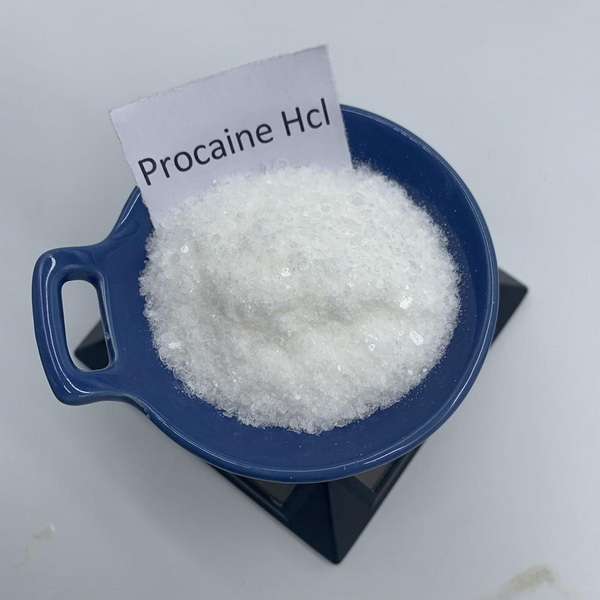
Following procaine's introduction, many synthetic local anesthetics were developed between the late 19th and 20th centuries. These include amino ester anesthetics such as benzocaine and tetracaine, and amino amide anesthetics like lidocaine and bupivacaine. Each new compound sought to optimize safety, efficacy, onset time, and duration of anesthesia while minimizing side effects.[1]
Procaine itself belongs to the amino ester class but has largely been superseded by modern anesthetics like lidocaine, which have faster onset and longer duration. Nonetheless, procaine played a critical role in the evolution of anesthetic pharmacology and opened the door for ongoing innovations in pain management.[4][1]
Cocaine's discovery as the first local anesthetic represents a landmark in pharmaceutical history, marking the birth of clinical anesthesia. However, the drug's adverse effects underscored the need for safer medications. Procaine's synthesis addressed this need effectively and paved the way for the development of numerous safer synthetic anesthetics used worldwide today.
Modern local anesthetics owe their origin to these early substances. The understanding of their chemical structure and pharmacology continues to influence anesthetic drug design, dosage protocols, and clinical safety standards.[5][1]
Procaine did not come from the coca plant; it is a fully synthetic local anesthetic created in a laboratory setting to safely mimic the numbing effects of cocaine while avoiding its addictive and toxic nature. The invention of procaine was a pivotal advancement in medical anesthesia, enabling safer surgical and dental procedures and contributing to the ongoing evolution of anesthetic drugs. Understanding the distinct origins and roles of cocaine and procaine clarifies common misconceptions and highlights the remarkable progress in pharmaceutical science from natural plant alkaloids to sophisticated synthetic compounds.
For brands, wholesalers, and manufacturers seeking OEM services in biotechnology, pharmaceutical development, or medical device production, our factory at supplybenzocaine.co.uk is equipped to provide expert R&D, manufacturing, and comprehensive solutions tailored to your business needs. Contact us to collaborate on advancing medical innovations with quality and reliability.
No, procaine is a synthetic compound created in 1905, inspired by cocaine's anesthetic effects but chemically different and safer.[9]
Cocaine is a natural alkaloid with addictive properties, whereas procaine is a non-addictive synthetic local anesthetic with reduced toxicity.[10]
Cocaine use is now rare and limited to specialized surgical contexts; modern synthetic anesthetics like procaine and lidocaine are preferred.[7]
To provide a safer and less addictive anesthetic option that retained the pain-blocking benefits of cocaine.[11]
No, procaine is entirely synthetic and cannot be derived from natural sources like the coca plant.[9]
[1](https://pubmed.ncbi.nlm.nih.gov/11895133/)
[2](https://pubmed.ncbi.nlm.nih.gov/17612366/)
[3](https://www.pagepressjournals.org/vl/article/view/vl.2014.4841/4290)
[4](https://www.sciencedirect.com/science/article/pii/S0040402020308358)
[5](https://emedicine.medscape.com/article/873879-overview)
[6](https://en.wikipedia.org/wiki/Coca)
[7](https://www.mcgill.ca/oss/article/drugs-health-history/what-natural-substance-was-first-local-anesthetic-be-introduced-medicine)
[8](https://pmc.ncbi.nlm.nih.gov/articles/PMC6152143/)
[9](https://en.wikipedia.org/wiki/Procaine)
[10](https://www.britannica.com/science/procaine-hydrochloride)
[11](https://www.sciencedirect.com/science/article/abs/pii/S0040402020308358)
Hot tags: Procaine Origin, Coca Plant, Local Anesthetics History, Cocaine Derivatives, Procaine Synthesis, Alfred Einhorn, Novocain History, Anesthetic Development, Cocaine Alternatives, Procaine Uses