Content Menu
● What is IM Procaine Penicillin?
● Uses of IM Procaine Penicillin
● How is IM Procaine Penicillin Administered?
● User Experiences and Common Questions
● Frequently Asked Questions (FAQ)
>> 1. How quickly does IM Procaine Penicillin work to relieve infection symptoms?
>> 2. Can IM Procaine Penicillin treat all types of bacterial infections?
>> 3. What should I do if I experience injection site pain or swelling?
>> 4. Is it safe to use IM Procaine Penicillin during pregnancy?
>> 5. What are the signs of an allergic reaction to IM Procaine Penicillin, and what should I do?
Intramuscular (IM) Procaine Penicillin has been an essential antibiotic treatment option for various bacterial infections for decades. This article provides a comprehensive guide to IM Procaine Penicillin, detailing its composition, uses, administration methods, side effects, user experiences, and common questions. The intention is to offer a thorough understanding for patients, healthcare providers, and potential business partners interested in pharmaceutical OEM production.
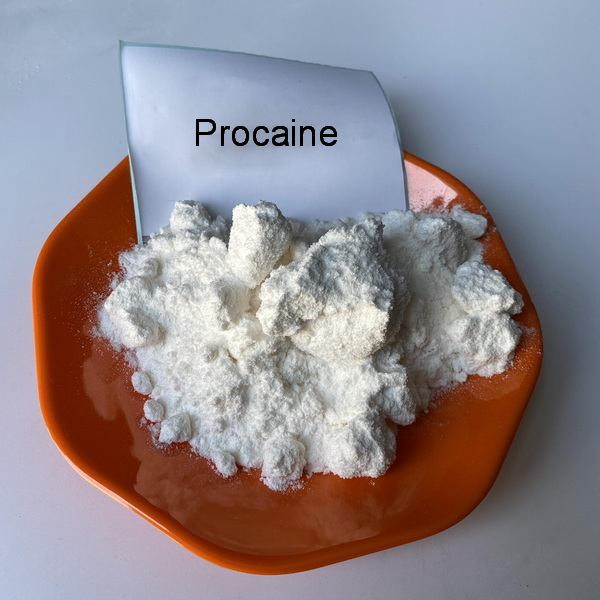
IM Procaine Penicillin is a combination antibiotic consisting of penicillin G and procaine, a local anesthetic. The addition of procaine allows penicillin to be absorbed slowly into the bloodstream when injected into muscle tissue, resulting in a sustained antibacterial effect. This prolonged action makes it suitable for treating moderately severe bacterial infections.
Penicillin G, the active antibiotic, targets bacteria by disrupting their cell wall synthesis, leading to bacterial death. Procaine's anesthetic property also helps mitigate the discomfort of the injection, which can otherwise be painful.
This antibiotic is typically administered as a deep intramuscular injection and is widely used in both adult and pediatric patients to treat infections caused by penicillin-susceptible microorganisms.
IM Procaine Penicillin treats a broad range of bacterial infections, including:
- Moderately severe to severe streptococcal infections (Group A) such as tonsillitis, scarlet fever, erysipelas, and upper respiratory tract infections
- Skin and soft tissue infections caused by susceptible bacteria
- Pneumococcal pneumonia (certain types)
- Rat-bite fever
- Early and latent syphilis infections
- Prevention and treatment in cases of anthrax exposure
- Adjunct therapy in diphtheria alongside antitoxin administration
It is important to avoid using Procaine Penicillin for viral infections or bacteria resistant to penicillin. Appropriate use should always be guided by culture and sensitivity testing when available.
The medication is particularly effective in treating syphilis due to its slow and sustained release, ensuring adequate blood levels for bacterial killing over time.
IM Procaine Penicillin is given via deep intramuscular injection by a trained healthcare professional. This deep injection helps avoid local tissue damage and ensures gradual absorption of the drug.
Common sites for injection include:
- The upper outer quadrant of the buttock, known as the dorsogluteal site
- The ventrogluteal site on the hip, preferred by some practitioners for safety
- In neonates and small children, the midlateral thigh can be used
When administering, care is taken to avoid injecting near nerves or arteries to prevent complications such as nerve damage or vascular injury.
Dosage and frequency vary depending on the infection type and severity. For example:
- Adults with skin or soft tissue infections typically receive 600,000 to 1,000,000 units daily for at least 10 days.
- Pediatric dosing is weight-based (e.g., neonates 50,000 units/kg IM once daily).
- Syphilis treatment regimens may require daily injections for 10 to 14 days.
Typically, the injection is given slowly to prevent needle blockage due to the thick suspension and to minimize injection discomfort.
Like all antibiotics, IM Procaine Penicillin carries a risk of side effects. Common adverse effects include:
- Localized pain, swelling, and redness at the injection site
- Mild nausea or upset stomach
- Rash or mild skin irritation
- Diarrhea, which could signal more serious intestinal infection if persistent
Rare but potentially severe side effects may include:
- Allergic reactions — symptoms like hives, difficulty breathing, or facial swelling require immediate medical attention
- Neurological reactions such as confusion, hallucinations, or seizures (rarely Hoigne's syndrome, a neurotoxic reaction)
- Severe skin reactions or anaphylaxis (life-threatening allergic response)
Patients with a history of penicillin or procaine allergy should inform their healthcare provider before receiving this medication, as it may cause life-threatening allergic reactions.
Elderly patients and those with kidney impairment require special monitoring during use due to altered drug metabolism and excretion.
Pregnant women should only use Procaine Penicillin under strict medical supervision, as penicillin is generally considered safe during pregnancy but requires careful consideration of benefits and risks.
Many users report effective resolution of bacterial infections after completing their course of IM Procaine Penicillin, noting that while the injection can be uncomfortable, the benefits outweigh the temporary discomfort.
Common questions from users and patients include:
- Is the injection painful? The pain varies but the procaine component helps reduce it. Using proper injection technique also minimizes discomfort.
- What happens if an allergic reaction occurs? Immediate medical intervention is necessary; mild symptoms should be reported to a doctor immediately.
- How long before feeling better? Symptom improvement often begins within a few days, but completing the entire course is vital.
- Can it be taken during pregnancy? Generally yes, but under strict supervision.
- Are there alternatives if allergic? Yes, alternatives like erythromycin or doxycycline can be used under medical advice.
The slow absorption and sustained action nature of Procaine Penicillin make it especially advantageous in scenarios requiring prolonged antibiotic coverage with fewer injections.
IM Procaine Penicillin is a well-established and effective antibiotic treatment for a variety of bacterial infections. Its unique formulation ensures prolonged drug action with fewer injections, making it suitable for infections requiring sustained antibiotic levels. Proper administration, awareness of side effects, and medical supervision are vital to achieving optimal treatment outcomes.
For foreign brand owners, wholesalers, and manufacturers seeking a trusted Chinese OEM partner for biotechnology, pharmaceutical, and medical device production, SupplyBenzocaine.co.uk offers expert R&D, manufacturing, and supply services. Contact us today to discuss customized solutions to meet your product development and supply chain needs.
Improvement typically occurs within 2 to 3 days of starting treatment, but completing the full prescribed course (often 10-14 days) is essential for complete eradication and to prevent recurrence.
No. It is effective mainly against susceptible strains of streptococci, pneumococci, and certain other bacteria. It should not be used for viral infections or bacteria resistant to penicillin.
Mild discomfort at the injection site is common. Applying a warm compress and ensuring proper injection technique can help. If pain is severe or accompanied by redness and fever, seek medical attention.
Penicillin antibiotics are generally considered safe during pregnancy, but treatment should be under medical supervision to ensure appropriate dosing and monitoring.
Signs include hives, itching, swelling of the face or throat, difficulty breathing, dizziness, or severe rash. If these occur, seek emergency medical care immediately.
[1](https://www.drugs.com/dosage/procaine-penicillin.html)
[2](https://www.drugs.com/dosage/penicillin-g-procaine.html)
[3](https://medicalguidelines.msf.org/en/viewport/EssDr/english/benzylpenicillin-penicillin-g-injectable-16682499.html)
[4](https://www.ncbi.nlm.nih.gov/books/NBK554560/)
[5](https://www.mayoclinic.org/drugs-supplements/penicillin-g-benzathine-and-penicillin-g-procaine-intramuscular-route/description/drg-20452194)
[6](https://labeling.pfizer.com/showlabeling.aspx?id=718)
[7](https://pubmed.ncbi.nlm.nih.gov/29493977/)
[8](https://www.sciencedirect.com/topics/neuroscience/procaine-benzylpenicillin)
[9](https://www.canada.ca/en/public-health/services/infectious-diseases/sexual-health-sexually-transmitted-infections/canadian-guidelines/syphilis/treatment-follow-up.html)
[10](https://medlineplus.gov/druginfo/meds/a615052.html)
[11](https://my.clevelandclinic.org/health/drugs/18945-penicillin-g-benzathine-penicillin-g-procaine-injection)
Hot tags: Procaine Penicillin, IM Injection Experience, Antibiotic Use, Patient Testimonials, Side Effects, Medical History, Injection Pain, Treatment Efficacy, Procaine Penicillin Reviews, Antibiotic Resistance