Content Menu
● Introduction to Benzocaine Powder
● Medical Applications of Benzocaine Powder
>> Oral and Throat Pain Relief
>> Minor Surgical and Procedural Anesthesia
● Advantages of Benzocaine Powder
● Safety, Precautions, and Side Effects
● Quality and OEM Benzocaine Supply from supplybenzocaine.co.uk
● Frequently Asked Questions (FAQs)
>> 1. How quickly does benzocaine powder take effect?
>> 2. Is benzocaine safe for use in children?
>> 3. Can benzocaine be used on large or broken skin areas?
>> 4. What are common conditions treated with benzocaine?
>> 5. What precautions should be taken to avoid benzocaine side effects?
Benzocaine powder is a widely utilized topical anesthetic known for its rapid pain-relieving properties. As an ester-type local anesthetic, it temporarily numbs the area where it is applied by inhibiting nerve signal transmission. This makes it invaluable in various clinical and everyday scenarios involving pain relief and minor anesthesia. Due to its effectiveness and versatility, benzocaine is a common ingredient in numerous medical products globally.
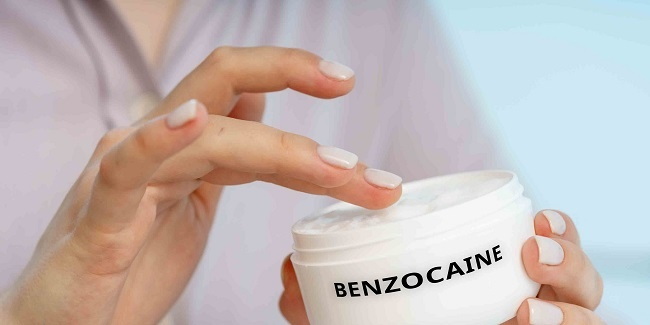
Benzocaine works by blocking voltage-gated sodium channels on nerve cells. Normally, these channels allow sodium ions to enter the nerve cells, triggering action potentials that carry pain signals to the brain. When benzocaine binds to these channels, it prevents sodium influx, thereby stopping the generation and propagation of nerve impulses. As a result, sensations like pain are not perceived by the brain temporarily. The effect is localized to the site of application, with a rapid onset—usually within seconds to a few minutes.
Unlike injectable anesthetics, benzocaine is used topically due to its low water solubility, which confines its action to surface tissues. The anesthetic effect typically lasts for about 10 to 20 minutes, depending on the formulation and area treated.
Benzocaine is a principal active ingredient in many oral care products such as gels, liquids, sprays, lozenges, and pastes. It is commonly used to alleviate pain from toothaches, mouth ulcers, canker sores, sore gums, dental irritation, and sore throats. For example, benzocaine lozenges provide relief for throat irritation, while gels and pastes are applied directly to painful oral mucosa to dull the discomfort.
In clinical settings, benzocaine is used topically to anesthetize mucous membranes before minor interventions such as endoscopies, laryngoscopies, intubations, and other diagnostic or surgical procedures. It provides patient comfort by numbing the skin or mucosa, reducing pain and gag reflexes during these procedures.
Benzocaine is included in various topical formulations—creams, ointments, sprays, and powders—to relieve pain and itching caused by minor skin conditions. These include sunburns, insect bites, minor burns, rashes, hemorrhoids, and ingrown toenails. It is often combined with cooling agents like menthol to enhance soothing effects.
Antipyrine-benzocaine ear drops are frequently used for otic pain (earache) and to aid in the removal of earwax. The combination provides both pain relief and anti-inflammatory effects, making it effective for conditions like swimmer's ear or otitis media.
Benzocaine is also found in products designed to delay ejaculation by numbing the penile tissue, and in mucoadhesive patches to ease orthodontic pain after dental braces adjustment. In some countries, benzocaine combined with menthol and zinc oxide is applied for insect bite relief.
- Fast-acting relief often within seconds to minutes
- Suitable for topical use with minimal systemic absorption
- Multiple dosage forms such as sprays, gels, creams, pastes, and lozenges
- Non-invasive and easy to self-administer
- Effective at numbing localized areas with temporary effect
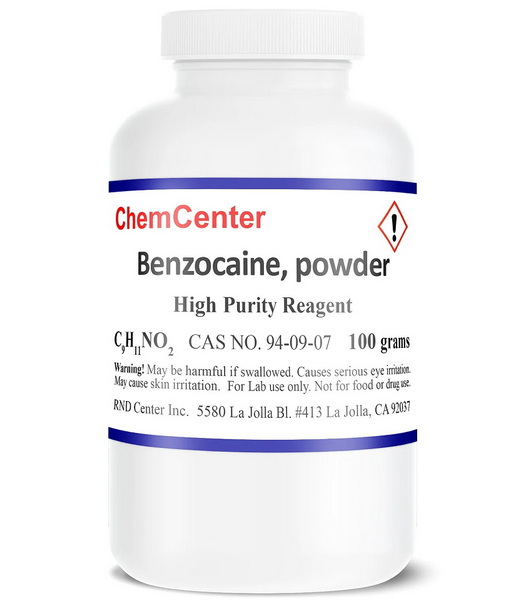
Benzocaine is generally safe when used as directed, but improper use can lead to serious side effects. The most critical concern is methemoglobinemia—a rare condition where oxygen delivery to tissues is impaired due to altered hemoglobin. Symptoms include cyanosis (blue or pale skin), headaches, confusion, and shortness of breath. This risk is particularly significant in children under two years, for whom benzocaine products are contraindicated.
Other side effects may include localized irritation, allergic reactions, burning sensation, or redness. Rarely, hypersensitivity reactions occur requiring immediate medical attention. For these reasons, benzocaine-containing products carry warnings and usage restrictions, especially for young children and patients with certain medical conditions.
Users should strictly follow dosing instructions, avoid excessive application, not use on broken or large skin areas without supervision, and discontinue use if adverse symptoms appear.
- Apply a thin layer to clean, dry skin or mucous membranes.
- Use sprays from an appropriate distance (usually 6 to 12 inches) to avoid overdose.
- Limit area and frequency to recommended amounts.
- Avoid contact with eyes or inhalation of the product.
- Do not cover treated areas with occlusive dressings or bandages unless advised.
- Consult healthcare providers if symptoms continue or worsen after use.
We provide premium-quality benzocaine powder tailored for OEM clients including brand owners, wholesalers, and manufacturers worldwide. Our benzocaine meets rigorous pharmaceutical-grade standards suitable for medical, pharmaceutical, and biotechnological product production. With customized formulation support, competitive pricing, and reliable logistics, we enable your business to market effective pain-relief and anesthetic products under your brand.
Benzocaine powder is a versatile, rapid-action topical anesthetic essential for effective pain management and local anesthesia in diverse medical and consumer health applications. From oral care to minor surgical procedures and dermatological treatment, benzocaine's capacity to quickly disrupt nerve signals provides significant relief from discomfort. Awareness and adherence to safety guidelines ensure its benefits are optimized with minimal risks. Partnering with supplybenzocaine.co.uk secures access to high-quality benzocaine powder backed by professional OEM services, accelerating your path to market with trusted pain relief solutions.
Contact us today to explore how our benzocaine supply can enhance your product portfolio and satisfy your clients' needs with effective pain relief formulations.
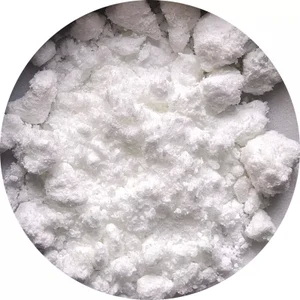
Benzocaine provides pain relief within seconds to a few minutes after topical application, making it ideal for fast-acting local anesthesia.
Benzocaine is not recommended for children under two years due to risks of methemoglobinemia. In older children, use only under medical advice.
No, benzocaine should not be applied on large or broken skin areas without professional supervision to avoid systemic absorption and side effects.
Common uses include relief from toothache, sore throat, mouth ulcers, minor burns, insect bites, hemorrhoids, and during minor surgical or diagnostic procedures.
Use only as directed, avoid excessive or prolonged use, do not apply to extensive skin areas, and watch for signs of allergic reactions or methemoglobinemia, seeking medical help if symptoms occur.
[1](https://en.wikipedia.org/wiki/Benzocaine)
[2](https://go.drugbank.com/drugs/DB01086)
[3](https://www.apollopharmacy.in/salt/Benzocaine)
[4](https://www.drugs.com/mtm/benzocaine-topical.html)
[5](https://www.fda.gov/drugs/postmarket-drug-safety-information-patients-and-providers/safety-information-benzocaine-containing-products)
[6](https://www.rxlist.com/benzocaine/generic-drug.htm)
[7](https://www.mayoclinic.org/drugs-supplements/benzocaine-topical-application-route/description/drg-20072913)
[8](https://www.ncbi.nlm.nih.gov/books/NBK541053/)
[9](https://my.clevelandclinic.org/health/drugs/20991-benzocaine-dental-or-oral-gel-paste-or-solution)
[10](https://www.mskcc.org/cancer-care/patient-education/medications/adult/benzocaine?mode=large&msk_tools_print=pdf)
Hot tags: Benzocaine Powder Uses, Pain Relief, Local Anesthesia, Topical Anesthetic, Oral Pain Management, Dental Procedures, Skin Irritation Treatment, Nerve Signal Blockade, Temporary Pain Relief, Benzocaine Mechanism of Action