Content Menu
● What is Procaine Penicillin?
>> Deep Intramuscular Injection
>> Recommended Injection Sites and Technique
>> Special Considerations for Pediatric Patients
● Pharmacokinetics and Mechanism of Action
● Important Precautions and Warnings
● Frequently Asked Questions (FAQ)
>> 1. How often is procaine penicillin injection given?
>> 2. Can procaine penicillin be given intravenously?
>> 3. What should be done if the patient experiences an allergic reaction?
>> 4. Is procaine penicillin safe for children?
>> 5. Can procaine penicillin treat viral infections?
Procaine penicillin is a widely used antibiotic injection that combines penicillin G with procaine, a local anesthetic, to provide effective treatment against certain bacterial infections while reducing injection site pain. This article offers a detailed guide on the administration of procaine penicillin, including its method, dosage recommendations, injection sites, precautions, and useful tips to ensure safety and therapeutic effectiveness. Alongside helpful explanations and practical guidance, you will gain a comprehensive understanding of this important medication.
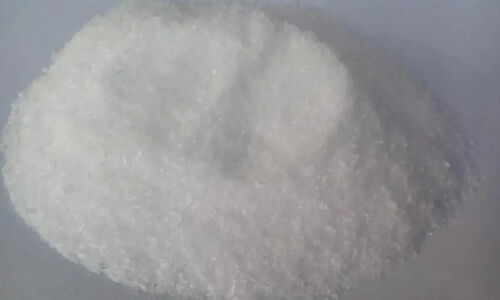
Procaine penicillin is a compound consisting of penicillin G, a narrow-spectrum bactericidal antibiotic, and procaine, a local anesthetic that alleviates pain during injection. The penicillin component works by interfering with bacterial cell wall synthesis, leading to bacterial death. The procaine helps reduce discomfort associated with the deep intramuscular injection form of penicillin G, which otherwise can cause significant pain. This medication is typically used to treat infections caused by susceptible strains of bacteria, including streptococcal and staphylococcal infections, pneumonia, syphilis, and bacterial endocarditis.
Procaine penicillin's unique combination makes it particularly suitable for infections where prolonged and steady antibiotic levels are beneficial. Its gradual absorption from the muscular depot maintains therapeutic levels in the blood over a day or longer, increasing convenience and compliance, especially in outpatient settings.
Procaine penicillin is administered exclusively via deep intramuscular injection (IM). The injection allows slow release of penicillin from the muscle tissue into the bloodstream, maintaining an effective drug concentration over an extended period.
The deep IM route is critical because subcutaneous or intravenous routes either fail to maintain drug levels appropriately or lead to serious complications. Intramuscular injection provides a depot effect, where the procaine penicillin forms a reservoir in the muscle that slowly dissolves and releases the antibiotic steadily.
- Upper outer quadrant of the buttock (dorsogluteal site): This is the most common administration site for adults. Proper site selection avoids sciatic nerve injury.
- Ventrogluteal site: Increasingly preferred by some healthcare professionals due to its distance from major nerves and vessels, making it one of the safest IM injection spots.
- Mid-lateral thigh (quadriceps femoris): Preferred in neonates, infants, and children under 60 pounds for safety and efficacy.
Key steps in administration:
- Use an appropriate needle length (typically 1–1.5 inches for adults) and gauge for deep IM injection.
- Cleanse the injection site thoroughly with antiseptic to minimize infection risk.
- Insert the needle at a 90-degree angle to the skin to penetrate the muscle tissue fully.
- Aspirate before injecting to check for blood return, indicating whether the needle is inside a blood vessel. If blood appears, withdraw and reposition.
- Inject the solution slowly and steadily to reduce tissue trauma and prevent needle blockage.
- After injection, withdraw the needle promptly and gently apply slight pressure with sterile gauze.
- Rotate injection sites for multiple doses to reduce the risk of muscle fibrosis or localized irritation.
For children, especially those under 60 pounds (approximately 27 kg), the mid-lateral thigh is the preferred site due to muscle mass and accessibility. Needle length should be adjusted accordingly, and doses carefully calculated based on weight to avoid toxicity.
The dosage of procaine penicillin depends on the severity and type of infection, patient age, and weight. Below are typical dosing recommendations based on clinical guidelines:
- For pneumococcal pneumonia, adults commonly receive 600,000 to 1,000,000 units daily, usually administered once daily as a deep IM injection, extending a minimum of 10 days or longer depending on patient response.
- For streptococcal infections (Group A), a similar dose range applies, with therapy lasting at least 10 days to ensure eradication and prevent complications like rheumatic fever.
- In staphylococcal infections, doses and duration vary more widely based on infection severity, often requiring specialized management.
- For bacterial endocarditis caused by sensitive organisms, procaine penicillin is sometimes used under specialist guidance in combination with other agents.
- Syphilis treatment with procaine penicillin involves 600,000 units daily for 8 to 15 days, crucially enhancing patient adherence through the once-daily injection method.
Pediatric doses are generally half the adult dosage (around 300,000 units daily), carefully adjusted per weight parameters, and administered in recommended sites to ensure safety and effectiveness.
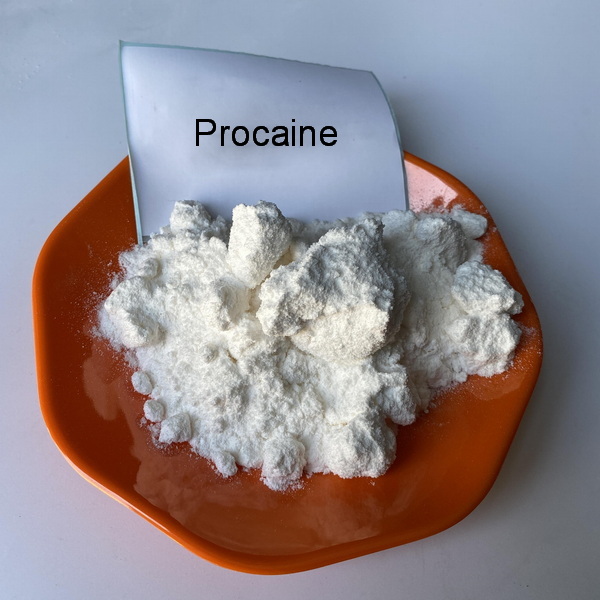
Upon deep IM injection, procaine penicillin dissolves slowly, releasing penicillin G gradually over approximately 15 to 20 hours. The depot formed in the muscle allows relatively steady absorption into systemic circulation, maintaining therapeutic levels without the need for frequent dosing.
Penicillin G binds to specific penicillin-binding proteins (PBPs) on bacterial cell walls, inhibiting the synthesis of peptidoglycan, a critical component of the bacterial cell wall. This disruption weakens the bacterial wall, causing osmotic imbalance and ultimately bacterial lysis and death. The narrow spectrum of penicillin G targets mainly Gram-positive bacteria, including streptococci and some staphylococci strains.
Procaine acts locally to reduce injection site pain by blocking nerve impulses, often making the deep IM injection more tolerable compared to penicillin G alone, which is known for painful administration.
- Avoid intravenous or intra-arterial injection: Accidental injections in blood vessels can cause severe neurovascular damage, tissue necrosis, and lasting disabilities such as gangrene and paralysis. Strict aspiration prior to injection is essential to prevent this.
- Rotate injection sites: Repeated injections in the same location can cause muscle fibrosis, scarring, or atrophy. Rotating sites preserves muscle integrity and improves patient comfort.
- Monitor for allergic reactions: Penicillin allergy is common. Symptoms can range from mild rashes to severe anaphylaxis, which requires immediate discontinuation of the drug and urgent medical care.
- Not effective for viral infections: As an antibiotic, procaine penicillin targets bacteria only and is not useful against viral illnesses such as influenza or the common cold.
- Special caution in patients with renal impairment: Since penicillin is excreted primarily by the kidneys, dose adjustment and close monitoring may be required in patients with kidney dysfunction.
- Pregnancy and lactation considerations: Procaine penicillin is considered relatively safe in pregnancy, categorized as pregnancy category B, but should be used only when clearly needed and under medical supervision.
Procaine penicillin should be stored at controlled room temperature (usually between 15–30°C or 59–86°F), protected from light and moisture to maintain stability. Once reconstituted (if in powder form), it should be used promptly according to manufacturer instructions to avoid contamination or loss of potency.
Healthcare providers should adhere strictly to aseptic handling practices to minimize infection risk and maintain medication integrity.
While generally well tolerated, some patients may experience side effects, including:
- Local pain, swelling, or redness at the injection site.
- Mild allergic reactions such as urticaria (hives) or rash.
- Gastrointestinal disturbances like nausea or diarrhea.
- Rare but serious adverse reactions including anaphylaxis or neurotoxicity.
Management strategies include:
- Applying cold compresses or analgesics for injection site discomfort.
- Monitoring patients closely after administration for any allergy signs.
- Immediate discontinuation and emergency measures if severe reactions occur.
- Reporting unexpected adverse reactions to healthcare authorities for pharmacovigilance.
Procaine penicillin is a powerful antibiotic with a specific and effective administration method that requires care and expertise. Administered via deep intramuscular injection, it ensures a slow release of penicillin for sustained antibacterial action, with the procaine reducing injection pain. Correct injection site selection, technique, and dosage are vital to treatment success and patient safety.
Whether you are a healthcare provider, distributor, or overseas brand looking for high-quality procaine penicillin with OEM services from China, partnering with a reliable manufacturer experienced in this field ensures your product's quality and compliance. Contact us today to explore how we can support your business with professional antibiotic manufacturing and supply solutions tailored to your needs.
Typically, it is administered once daily via deep intramuscular injection. The total duration depends on the infection being treated and clinical response, often ranging from a minimum of 8 to 15 days.
No. Procaine penicillin is strictly for deep intramuscular injection. Intravenous or intra-arterial administration can lead to severe neurovascular complications and must be avoided.
Stop the injection immediately and seek emergency medical attention. Watch for symptoms like rash, swelling, breathing difficulties, or anaphylaxis, and manage accordingly.
Yes, it is used in pediatric patients with dosage adjusted based on weight. The mid-lateral thigh injection site is preferred for safety.
No, it is an antibiotic effective solely against bacterial infections and does not work against viruses such as influenza or the common cold.