Content Menu
● How Fast Does Benzocaine Work?
● How Long Does Benzocaine Last?
● How Long Does Benzocaine Stay in the Body?
● Key Factors Influencing Onset and Duration
>> 1. Concentration of Benzocaine
>> 2. Dosage Form and Excipients
>> 4. Amount Applied and Contact Time
>> 5. Individual Patient Factors
● Typical Use Scenarios and Practical Durations
>> OTC Oral Gel for Toothache and Gum Pain
>> Professional Dental Topical Before Injection
● Safety, Dosing, and Frequency of Use
● Why Choose a Professional OEM Benzocaine Partner?
>> 1. Precise Formulation Development
>> 2. Diverse Dosage Form Capabilities
>> 3. Quality Control and Regulatory Support
>> 4. Scalable Production and Long-Term Cooperation
● FAQ
>> 1. How long does benzocaine numbness usually last?
>> 2. Why does benzocaine wear off so quickly?
>> 3. Can I reapply benzocaine to make it last longer?
>> 4. Is benzocaine safe for children?
>> 5. What affects how long benzocaine works on the skin or in the mouth?
Benzocaine is a fast-acting local anesthetic widely used for short-term pain relief on the skin and mucous membranes, including oral and dental applications. Its numbing effect usually starts within seconds to minutes and typically lasts from about 5 to 60 minutes, depending on the concentration, dosage form, and application site.

Benzocaine is an ester-type local anesthetic that blocks sodium channels in nerve endings, which temporarily prevents pain signals from reaching the brain. Because it is poorly soluble in water, it is mainly used as a topical anesthetic rather than an injectable anesthetic.
Common dosage forms include:
- Oral gels and pastes for toothache, gum pain, and canker sores
- Throat sprays and lozenges for sore throat relief
- Creams, ointments, and sprays for minor skin irritation, itching, and insect bites
- Professional dental topical gels for use before injections or procedures
- Compounded mixtures that combine benzocaine with other anesthetics for extended effects
In many markets, benzocaine is available as an over-the-counter (OTC) ingredient, while higher concentrations or specific dosage forms may be regulated and require professional supervision.
One of the key advantages of benzocaine is its rapid onset of action. After application, it diffuses into nerve endings in the superficial tissues and starts blocking sodium channels, which interrupts the conduction of pain impulses.
Typical onset times include:
- Oral/dental topical products (e.g., 20% benzocaine gel): onset in about 30 seconds to 1 minute
- General topical use on mucosal surfaces (inside the mouth or throat): noticeable effect often in less than 1 minute
- Full intraoral effect for dental procedures: commonly reached within about 3–5 minutes of proper application
- Skin products such as creams and sprays: onset within a few minutes, depending on the thickness of the skin and the formulation used
Because of this rapid onset, benzocaine is often selected when immediate, short-term relief is needed, such as before dental injections, minor procedures, or to quickly calm toothache or gum pain.
While benzocaine acts quickly, it is considered a short-acting local anesthetic. The duration of numbness depends on several factors, including the dose, application site, and excipients in the formulation.
Typical duration ranges:
- General topical action: about 15–60 minutes of numbing effect
- Dental 20% benzocaine gel: often provides 5–15 minutes of strong anesthesia in the area of application
- OTC oral gels for mouth pain: peak relief is usually reached within 5–15 minutes, with the effect gradually fading afterward
- Specialized dental mixtures containing benzocaine (for example, multi-ester blends): onset in 15–30 seconds with total functional comfort reported up to around 60 minutes in some clinical settings
It is important to understand that the “strongest” numb feeling is usually much shorter than the total pharmacological presence. You may feel intense numbness for 5–20 minutes, followed by a lighter reduction in pain as the effect tapers off.
The numbing sensation disappears faster than the drug itself is fully metabolized or eliminated. After absorption through the skin or mucosa, benzocaine enters the systemic circulation in small amounts.
Key pharmacological points include:
- Benzocaine absorbed into the body is metabolized mainly in the liver to p-aminobenzoic acid (PABA) and other metabolites.
- These metabolites and small amounts of unchanged drug are excreted in the urine.
- The estimated systemic half-life is relatively short, around 1–2 hours for benzocaine and its active components.
- In rare cases where benzocaine causes methemoglobinemia, the elevated methemoglobin levels in blood may take additional time to normalize, even though the local anesthetic effect has already faded.
In daily practice, users primarily perceive the short functional duration of numbness, while the body quietly continues to process and eliminate the drug in the background.
The question “How long does benzocaine work?” cannot be answered with a single number, because multiple factors influence both onset and duration.
Higher concentrations generally provide more intense and sometimes slightly longer anesthesia but also increase the risk of side effects. Typical ranges include:
- 5–10%: often used in milder OTC products for minor skin irritation or oral discomfort
- 15–20%: common in professional dental gels and some stronger OTC oral products
- Multi-ingredient formulations with benzocaine: may contain benzocaine together with other anesthetics at various strengths
The choice of concentration must balance desired numbing depth with safety and regulatory constraints in the target market.
The type of formulation strongly affects contact time and absorption:
- Gels and ointments: adhere well to mucosa or skin and can maintain higher local concentrations for longer, leading to a more predictable duration
- Sprays: offer rapid coverage of large or hard-to-reach areas, but the film may be thinner and more easily removed
- Creams and lotions: usually used on skin, where the stratum corneum can slow penetration, resulting in slightly different onset and duration compared with mucosal applications
- Lozenges and throat products: dissolve slowly in the mouth, releasing benzocaine over a prolonged period for more sustained throat numbing
Excipients such as thickening agents, penetration enhancers, and flavors can also influence how fast benzocaine penetrates tissues and how long it stays localized.
Different body sites absorb benzocaine at different rates:
- Oral mucosa (gums, inside cheeks, tongue): highly vascular, allowing very rapid onset but also relatively quick decline in effect
- Throat and pharynx: similar to oral mucosa, but the product may be diluted by saliva and swallowed more quickly
- Intact skin: thicker and less permeable than mucosa, so onset can be slightly slower and depth of anesthesia may be more superficial unless higher concentrations or specific penetration enhancers are used
- Damaged or inflamed skin: may absorb benzocaine more quickly, which can intensify the effect but also increase systemic exposure and risk
Because of these differences, a 20% gel used on the gums will not behave identically to a 20% cream applied on the elbow.
Using a thin, even film as directed is usually recommended. Spreading a huge amount of product does not linearly increase the duration of anesthesia and may increase the risk of local irritation or systemic toxicity. In the mouth, saliva, tongue movement, chewing, or speaking can physically remove the product sooner than expected, reducing effective contact time.
Individual differences may also play a role:
- Age and body weight
- Local blood flow and tissue health
- Presence of inflammation or ulcers in the area
- Concomitant medications and underlying medical conditions, especially those affecting blood, liver, or respiratory function
These patient-specific variables are one reason why safety margins and conservative dosing are emphasized in product labeling.
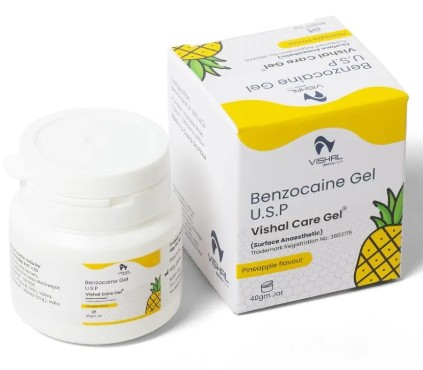
Below is an approximate narrative overview of common use scenarios. Always follow specific product labeling, as regulations and formulations vary by country and manufacturer.
For a typical OTC oral gel containing about 10–20% benzocaine, users often experience relief within 30–60 seconds after application to the tooth, gum, or canker sore area. The strong numbing effect usually lasts around 5–15 minutes, which is often enough to fall asleep, manage breakthrough pain, or wait until a dental appointment. As the effect wears off, mild relief may still be felt for a short period, but full normal sensation typically returns within an hour.
Dentists frequently use 20% benzocaine gels on the mucosa before administering local anesthetic injections. They usually apply a small amount and allow it to sit for approximately 1–2 minutes. At that point, the mucosa is sufficiently numb that the needle puncture is significantly less painful. The intense numbing effect of the benzocaine may last around 5–15 minutes, which is adequate for the injection stage. The deeper, longer-lasting anesthesia then comes from the injected local anesthetic, not from the benzocaine itself.
Throat sprays and lozenges containing benzocaine target sore throat pain. After use, users often feel a tingling or numbness within 1–3 minutes. The effect typically remains most intense for about 10–20 minutes, then gradually diminishes. Because these products are in the mouth for a longer time (especially lozenges that dissolve slowly), they can provide somewhat more sustained relief compared to a quick gel application, but the time frame is still best described in minutes rather than hours.
On unbroken skin, benzocaine products for minor irritation, insect bites, or sunburn usually start working within a few minutes of application. The effect often lasts 15–60 minutes depending on the thickness of the skin, the amount applied, and whether the area is covered by clothing or exposed. Reapplication during the day may be allowed within labeled limits.
While benzocaine is widely used, responsible and informed use is essential, especially with high-strength products or repeated applications.
General safety recommendations include:
- Use only on the smallest area necessary and for the shortest possible duration.
- Carefully follow the dosing instructions on the product label or those provided by a healthcare professional.
- Do not exceed the maximum recommended number of applications per day. Many topical products advise usage up to 3–4 times daily.
- Avoid using benzocaine on large areas of the body, on deep or puncture wounds, or on serious burns unless directed by a professional.
- Do not apply to severely irritated or infected skin without medical advice.
- Keep benzocaine products out of reach of children and use extra caution in pediatric patients.
One of the most serious but rare risks associated with benzocaine is methemoglobinemia, a condition in which hemoglobin is converted to methemoglobin and cannot carry oxygen efficiently. This can be life-threatening if not recognized in time.
Warning signs include:
- Pale, gray, or blue-colored skin, lips, or nail beds
- Shortness of breath or difficulty breathing
- Fatigue, confusion, or headache
- Rapid heart rate
These symptoms can appear within minutes to an hour or more after using benzocaine, especially if large amounts are used, high-concentration products are applied, or the patient is very young or has underlying health problems. Emergency medical attention is needed immediately if such symptoms occur.
Because of this risk, regulators in many countries issue special warnings regarding the use of benzocaine in children under 2 years of age and for teething pain.
For overseas brand owners, wholesalers, and manufacturers who wish to bring benzocaine products to market, partnering with a specialized OEM factory is crucial to ensure predictable onset, duration, and safety.
Key advantages a professional OEM partner can offer include:
Accurate control of benzocaine concentration and excipients allows fine-tuning of both onset and duration. Through formulation R&D, it is possible to:
- Optimize gel viscosity for better mucosal adhesion and longer local contact
- Select suitable penetration enhancers for specific target tissues
- Adjust flavor and mouthfeel for oral products to improve patient compliance
- Design products tailored for dental, throat, or dermatological indications
Experienced OEM manufacturers in the biopharmaceutical and medical device space can provide multiple dosage forms from a single site, such as:
- Oral gels, pastes, and liquids
- Throat sprays and lozenges
- Skin creams, ointments, and sprays
- Pre-filled swabs or applicators for professional use
- Customized multi-ingredient products combining benzocaine with other active substances
This allows customers to build a unified brand portfolio across several target indications and channels.
High-quality benzocaine products rely on robust quality systems and documentation. A professional factory can typically supply:
- Batch-specific certificates of analysis (COA)
- Complete specification and method validation data
- Stability testing data supporting shelf-life claims
- Manufacturing and quality documentation suitable for regulatory submissions in different markets
With solid regulatory and technical support, customers can enter new regions more efficiently and with greater confidence.
From pilot-scale trial batches to large commercial volumes, a modern facility can offer scalable production while maintaining consistency. Automated production lines, controlled environments, and in-process controls all contribute to reliable performance of benzocaine products across multiple batches.
As a Chinese factory engaged in biotechnology, pharmaceutical health products, and medical devices, we provide OEM and contract manufacturing services specifically for overseas brand owners, wholesalers, and manufacturers. Our goal is to help you develop benzocaine products with predictable onset and duration, high quality, and strong market competitiveness.
If you are considering launching or expanding a benzocaine product line, you are welcome to contact us via our website to discuss formulation design, private labeling, regulatory support, and long-term cooperation opportunities.
Benzocaine is a widely used, fast-acting topical anesthetic that typically begins working within seconds to a few minutes and provides effective numbing for approximately 5–60 minutes, depending on the formulation and site of application. Its short onset and targeted action make it ideal for dental pre-injection anesthesia, oral pain relief, sore throat products, and minor skin irritation care.
However, its rapid but brief effect means products must be carefully formulated to deliver the right balance between quick pain relief and adequate duration, while strict attention to dosing and safety is required to avoid adverse effects such as methemoglobinemia. For brand owners and distributors, selecting a professional OEM partner with strong R&D, quality systems, and regulatory experience is essential to bring safe, effective benzocaine products to international markets.
As a dedicated Chinese factory specializing in biotechnology, pharmaceuticals, and medical devices, we offer customized benzocaine OEM solutions for overseas brand owners, wholesalers, and manufacturers. If you are looking for a reliable partner to develop and produce benzocaine-based products under your own brand, contact us today through supplybenzocaine.co.uk to start a detailed discussion about formulations, packaging options, and long-term cooperation. Contact us to get more information!
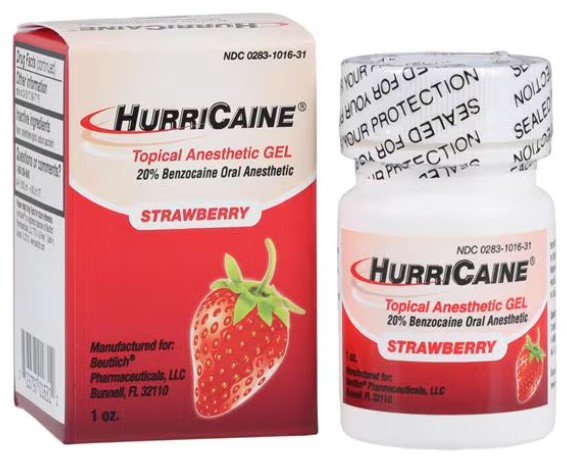
In most topical applications, benzocaine numbness lasts between about 15 and 60 minutes. For common dental gels around 20% strength, the most intense numbing is often 5–15 minutes, which is sufficient to cover the discomfort of an injection or short procedure. After this period, sensation gradually returns to normal as the drug diffuses away and is metabolized.
Benzocaine is designed as a short-acting local anesthetic. It acts near the surface tissues and is not meant to produce deep or long-lasting anesthesia. Blood flow in the area gradually carries the drug away, and the body breaks it down relatively quickly. In the mouth and throat, saliva, swallowing, and movement also reduce how long the product stays in direct contact with the tissue, which contributes to the short duration of effect.
Many benzocaine products can be reapplied several times per day, but only within the limits described on the label. Reapplication can indeed extend overall pain relief throughout the day, yet each individual application will still provide only a short burst of intense numbness. It is very important not to exceed maximum daily doses or use benzocaine more frequently than recommended, because overuse can increase the risk of side effects, including rare but serious methemoglobinemia and local irritation.
Benzocaine requires special caution in children. In many regions, health authorities advise against using benzocaine products in children under 2 years of age, especially for teething pain, due to the risk of methemoglobinemia. For children 2 years and older, parents and caregivers must strictly follow pediatric dosing instructions and observe the child closely. If there are any signs of breathing difficulty, unusual sleepiness, or bluish skin or lips after benzocaine use, medical attention should be sought immediately.
The duration of benzocaine's effect is influenced by several factors: the concentration used, the type of formulation (gel, cream, spray, lozenge), the thickness of the layer applied, and the specific area of the body treated. Highly vascular and moist tissues, such as oral mucosa, tend to produce rapid onset but shorter duration, while thicker skin may show slightly slower onset. Individual factors such as blood flow, tissue condition, and the presence of inflammation also have an impact. Proper product selection and correct application techniques help ensure that benzocaine works for the intended length of time.
1. https://www.maxill.com/us/blog/post/because-you-asked-%7C-all-about-benzocaine-an-in-depth-exploration-
2. https://medtigo.com/drug/benzocaine/
3. https://www.drlinhart.com/anesthetics-topical-proper-use-and-side-affects/
4. https://www.mayoclinic.org/drugs-supplements/benzocaine-topical-application-route/description/drg-20072913
5. https://pmc.ncbi.nlm.nih.gov/articles/PMC307717/
6. https://www.droracle.ai/articles/622199/what-is-the-proper-use-and-dosage-of-benzocaine
7. https://dimensionsofdentalhygiene.com/article/managing-pain-with-topical-anesthetics/
8. https://wikem.org/wiki/Benzocaine
9. https://www.rxlist.com/benzocaine/generic-drug.htm
10. https://www.sciencedirect.com/topics/medicine-and-dentistry/benzocaine
Hot tags: How Long Does Benzocaine Last, Benzocaine Numbing Duration, Benzocaine For Toothache Relief Time, Benzocaine Gel Onset Time, How Quickly Does Benzocaine Work, Benzocaine 20% Numbing Time, Benzocaine Spray Duration, How Long Does Oral Benzocaine Work, Benzocaine Topical Anesthetic Time, Benzocaine Effectiveness Duration