Content Menu
● What Is Paracetamol and Why Is It Regulated?
● Pharmacy Purchase Limits: How Much Paracetamol Can You Buy?
>> Australia
● Packaging and Labelling Standards
● How Do Purchase Limits Help Public Health?
● What This Means for Pharmaceutical Manufacturers and OEM Suppliers
● Frequently Asked Questions (FAQs)
>> 1. How many paracetamol tablets can I buy at a pharmacy without a prescription?
>> 2. Is there an age limit for buying paracetamol?
>> 3. Why are pack sizes restricted for paracetamol?
>> 4. Can I buy large quantities of paracetamol for chronic pain management?
>> 5. Are all paracetamol products subject to these limitations?
Paracetamol, also known as acetaminophen in some countries, is a staple medication used globally for relieving mild to moderate pain and reducing fever. Its wide availability in pharmacies and general stores makes it one of the most common over-the-counter (OTC) drugs. However, due to the risks associated with overdose and misuse, especially liver damage, regulatory bodies worldwide enforce limits on how many paracetamol tablets or capsules one can legally purchase in a pharmacy or other retail outlets. These restrictions also vary by pack size, formulation, and country.
This article serves as a comprehensive guide to understanding these purchase limits, packaging regulations, safety considerations, and implications for consumers and pharmaceutical manufacturers. It also delivers insight into the evolving regulations as of 2025, particularly in major markets like the UK, Australia, and beyond. For suppliers and OEM manufacturers in the pharmaceutical field, such knowledge is crucial for product compliance and market access.
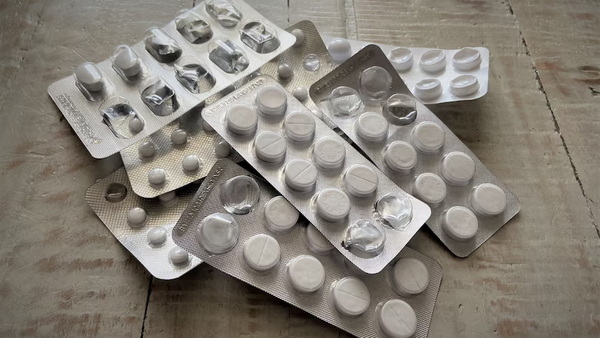
Paracetamol is widely used because of its efficacy and relative safety at recommended doses. It is found in multiple formulations—including tablets, capsules, liquids, powders, and suppositories—to treat aches, pains, fever, and symptoms of colds and flu. Despite its availability without prescription in many countries, paracetamol can cause serious harm if consumed in large quantities, particularly damage to the liver.
Because of the danger posed by overdose, health authorities impose legal limits on the amount of paracetamol that can be sold to an individual in one transaction. These limits act as preventive measures to reduce accidental ingestions or intentional misuse.
In the UK, paracetamol sales are regulated by the Medicines and Healthcare products Regulatory Agency (MHRA). The key rules are:
- Purchase Limits: A customer can buy up to two packs of paracetamol at one time in a pharmacy.
- Pack Sizes: Each pack usually contains 16 tablets or capsules.
- Total Allowed per Purchase: This means up to 32 tablets can be purchased without a prescription.
- Age Restrictions: Minimum purchasing age is 16 years old.
- Larger Pack Sales: Packs containing 51 to 100 tablets are classified as "Pharmacist Only Medicines" (Schedule 3) and require pharmacist supervision.
- Packaging: Tablets must be sold in blister packs rather than bottles for easy control and safety.
Australia implemented new paracetamol regulations on February 1, 2025, harmonizing its rules more closely with the UK and other countries:
- Public Sales: Outside pharmacies (e.g., supermarkets, petrol stations), pack sizes were reduced from 20 to 16 tablets or capsules.
- Pharmacy Sales: Maximum unsupervised pharmacy pack size reduced from 100 to 50 tablets or capsules.
- Pharmacist-Only Packs: Packs larger than 50 tablets require pharmacist supervision and are sold behind the counter.
- State Variations: In Western Australia and Queensland, packs larger than 16 tablets must be sold behind the counter with pharmacist oversight.
- Packaging Requirements: Blister packaging is mandatory for immediate-release paracetamol tablets for safety.
- Exemptions: Modified-release and liquid forms of paracetamol are typically not affected by these restrictions.
- Various countries maintain their own limits, with many following similar models limiting OTC sales to small pack sizes.
- Ireland legally restricts sales to a maximum of 24 tablets in one transaction.
- The European Union has suspended marketing of modified-release paracetamol products due to safety concerns.
Regulatory updates emphasize packaging as a safety strategy. Pharmacies and retailers must:
- Sell paracetamol primarily in blister packs, which make it harder to consume large quantities quickly.
- Include clear labelling with dosage instructions, maximum daily dose, warnings about overdose risks, and storage advice.
- Require pharmacist consultation for packs larger than specified limits.
- Ensure child-resistant packaging is used to prevent accidental ingestion by children.
To safely use paracetamol, consumers should adhere to the following:
- Recommended Dose for Adults: Typically, 500mg to 1000mg every 4 to 6 hours, not exceeding 4 grams (8 tablets of 500mg) per day.
- Child Dosage: Carefully adjusted according to weight and age, often in liquid form with clear measuring tools.
- Avoid Multiple Products: Many cold and flu remedies contain paracetamol; do not combine without consulting a pharmacist.
- Seek Medical Advice: If symptoms persist beyond a few days or if higher doses are needed, consult a healthcare professional.
Pharmacies encourage consumers to buy only what they need and discourage stockpiling, which can increase risk.
The limits on how many paracetamol tablets can be purchased help reduce risks associated with overdose, both accidental and intentional. The reduction in pack sizes and mandatory blister packaging has been linked to a decrease in paracetamol poisoning cases in countries like the UK.
Pharmacist oversight ensures that individuals who require larger quantities for chronic conditions receive appropriate guidance. These controls aim to balance accessibility with safety.
For pharmaceutical manufacturers and OEM providers like your company supplying paracetamol products internationally:
- Product packaging must comply with target market regulations, especially in terms of pack sizes, blister packaging, and labelling.
- Stay updated on acute changes to regulations in key markets like the UK and Australia.
- Collaborate with overseas brand owners and regulatory consultants to ensure smooth market entry.
- Tailor your OEM services to include medically accurate dosage information and consumer safety messaging.
- Consider product range diversification to include exempt forms like modified-release or pediatric formulations where rules differ.
Paracetamol is a vital medication but requires carefully controlled dispensing to ensure consumer safety. Pharmacy purchase limits typically allow up to two packs of 16 tablets for general sale, with larger quantities needing pharmacist supervision or prescriptions. The rules, evolving with public health guidance, focus on reducing overdose risk while maintaining accessibility.
For pharmaceutical manufacturers and OEM suppliers, adherence to these regulations in packaging, labeling, and sales practice is essential for global compliance and market success. Providing products that effectively meet safety standards protects consumers and fosters lasting business partnerships. Contact us to know more!

You can usually buy up to two packs, each containing 16 tablets, totaling 32 tablets per transaction without a prescription in countries like the UK. Larger packs require pharmacist supervision or a prescription.
Yes, the minimum purchase age is generally 16 years old for buying paracetamol independently.
Limitations in pack sizes and blister packaging help reduce the risk of accidental or intentional overdose by making it harder to quickly consume large quantities.
Larger quantities (packs of 51-100 tablets) are available but require pharmacist oversight or a prescription based on clinical need, especially for chronic conditions.
No, some products like children's formulations, modified-release versions, and prescription-only medicines have different regulations and may be exempt from standard pack size restrictions.
[1](https://retailpharmacymagazine.com.au/what-the-new-paracetamol-sales-rules-mean-for-pharmacists/)
[2](https://www.guild.org.au/news-events/news/forefront/v16n02/6-paracetamol)
[3](https://www.unsw.edu.au/newsroom/news/2025/01/paracetamol-pack-sizes-and-availability-are-changing-what-you-need-to-know)
[4](https://www.australianpharmacist.com.au/what-pharmacists-need-to-know-about-the-paracetamol-regulation-changes/)
[5](https://creakyjoints.org.au/news-and-features/new-paracetamol-access-rules-what-they-mean-for-people-with-chronic-conditions/)
[6](https://www.tga.gov.au/products/medicines/non-prescription-medicines/over-counter-otc-medicines/final-decision-paracetamol-access-controls-poisons-standard-question-and-answers)
[7](https://www.ema.europa.eu/en/medicines/human/referrals/paracetamol-modified-release)
[8](https://www.thelancet.com/article/S0140-6736(07)60631-X/fulltext)
[9](https://www.nsrf.ie/are-tougher-regulations-on-paracetamol-availability-justified/)
[10](https://www.chpaustralia.com.au/Media-and-Publications/Latest-News/2025/Paracetamol-pack-size-changes-come-into-effect-on-1-February-2025)
[11](https://help.sainsburys.co.uk/help/products/phc-sale-analgesic)
[12](https://www.nhs.uk/medicines/paracetamol-for-adults/about-paracetamol-for-adults/)
Hot tags: Paracetamol Purchase Limits, Pharmacy Paracetamol Sale, Over-the-Counter Paracetamol, Paracetamol Pack Sizes, Pharmacy Regulations, Paracetamol Buying Guidelines, Maximum Paracetamol Purchase, Paracetamol Sales Restrictions, Pharmacy Medicine Rules, Paracetamol Availability