Content Menu
● What Is Paracetamol and Its Uses?
● Availability of Paracetamol in Supermarkets
● Regulatory Controls on Paracetamol Sales
>> Quantity Restrictions Per Purchase
>> Age Restrictions and Identification
● Global Differences in Paracetamol Availability
● Risks of Excessive Paracetamol Use and Importance of Limits
● How Many Paracetamol Tablets Can You Buy in a Supermarket?
● Recommended Safe Use of Paracetamol
● OEM Services for Paracetamol Products
● Frequently Asked Questions (FAQs)
>> 1. How many tablets of paracetamol can I buy in a supermarket at once?
>> 2. Why are there limits on paracetamol sales in supermarkets?
>> 3. Can I buy large packs of paracetamol in supermarkets?
>> 4. Is there an age restriction for buying paracetamol?
>> 5. How can I ensure I am using paracetamol safely?
Paracetamol, also known as acetaminophen, is one of the most commonly used over-the-counter painkillers and fever reducers worldwide. Many people visit supermarkets to buy paracetamol because it is widely available, affordable, and easy to access. However, the amount of paracetamol you can buy in a supermarket depends on several factors, including local regulations, supermarket policies, packaging restrictions, and health and safety guidelines.
This article provides a comprehensive overview of how many paracetamol tablets or packs you can purchase in supermarkets, explores regulatory frameworks that govern its sale, and discusses the importance of responsible medicine use. As a Chinese manufacturer specializing in biotechnology, pharmaceutical healthcare, and medical devices offering OEM services worldwide, we aim to help consumers understand paracetamol purchasing limits and ensure safe practices.

Paracetamol is a widely used analgesic (painkiller) and antipyretic (fever reducer). It is often taken to relieve headaches, toothaches, muscle aches, arthritis, colds, and flu symptoms. Paracetamol is preferred due to its relatively mild side effects compared to other painkillers like NSAIDs, making it safe when used as directed.
Paracetamol comes in various forms, including tablets, capsules, liquid suspensions, and soluble powders. The dosage strength commonly available over the counter ranges from 500 mg to 1000 mg per tablet. Its widespread use means that consumers often purchase paracetamol from supermarkets and general retail outlets as a quick solution to mild pain and fever.
Supermarkets generally stock paracetamol in different pack sizes to cater to consumer demand. These usually range from small blister packs of 6 to 16 tablets to larger family-sized packs containing 32, 48, or 100 tablets. Despite accessibility, there are restrictions applied to ensure consumer safety.
The supermarket shelf will typically feature packs suitable for occasional use, such as small packs of 12 or 16 tablets, while larger packs are more likely to be found in pharmacies. This segmentation is designed to balance convenience and safety for consumers.
To reduce the risk of overdose and misuse, many countries enforce regulations limiting the pack sizes of paracetamol available over the counter in supermarkets:
- In the UK, regulations limit the sale of paracetamol in general retail outlets, like supermarkets, to packs containing a maximum of 32 tablets or capsules.
- Larger packs, such as those containing 100 tablets, are typically sold only in pharmacies where a pharmacist can provide professional advice.
- Some countries impose even lower pack size limits, especially for supermarkets, commonly around 12 to 16 tablets per pack.
These regulations are often part of public health strategies to minimize self-poisoning incidents involving paracetamol, which remain a public health concern in many regions.
Apart from pack size limits, supermarkets may restrict the number of packs or total quantity one can buy in a single transaction. These restrictions help prevent stockpiling or misuse:
- Many supermarkets enforce limits where customers can only buy 2 or 3 packs of paracetamol per purchase.
- These measures are designed to control the amount of paracetamol in public circulation at any time.
Such policies contribute to safer access by balancing availability against potential health risks related to overdose.
In many countries, customers must meet a minimum age to purchase paracetamol, often 16 or 18 years old. Retailers may request identification at the point of sale to comply with these legal requirements. This further encourages responsible medicine use, especially among younger consumers.
The rules governing paracetamol sales vary globally. Knowing these differences is essential for consumers and businesses alike:
- United Kingdom: Generally, small packs (up to 32 tablets) are available in supermarkets, but only a limited number of packs can be sold per transaction. Larger packs require pharmacy purchase.
- United States: Paracetamol, sold as acetaminophen, is available in a variety of pack sizes at supermarkets and pharmacies. Regulation is less stringent than in the UK, but recommended dosages are emphasized.
- Australia: Pack size restrictions and pharmacy-only sales of larger doses exist, with clear labelling and consumer warnings.
- European Union: Member countries adhere to local regulations, but many have harmonized measures on pack sizes and sales limits to minimize misuse.
- Developing Countries: Regulations may be less enforced, and pack size limits vary widely, though increasing awareness is promoting safer practices.
Understanding these regulatory nuances helps international consumers navigate safe purchases and supports manufacturing compliance for exporters.
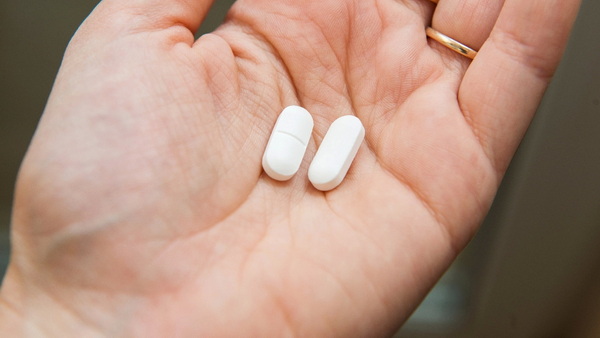
Paracetamol is generally safe when used correctly, but overdosing can lead to severe liver damage, kidney problems, and in extreme cases, death. Overdose symptoms may not appear immediately, which raises risks of delayed treatment.
The risk factors that justify pack size and purchase restrictions include:
- Unintentional overdosing due to combining multiple products containing paracetamol.
- Deliberate self-poisoning with large quantities.
- Children accidentally accessing large quantities, causing poisoning.
- Misuse through misunderstanding dosage instructions.
These concerns drive regulatory bodies and supermarkets to balance easy access with public safety, avoiding unnecessary barriers while promoting responsible usage.
Depending on where you live, what the store offers, and local laws, the quantity of paracetamol you can buy at once usually ranges from:
- 16 to 32 tablets per pack.
- 2 to 3 packs per customer per transaction.
Practically, this means most customers can buy between 32 to 96 tablets in one purchase from a supermarket, but some places may impose tighter limits. These sales restrictions are in place to prevent all the risks outlined above, ensuring paracetamol remains both accessible and safe.
To maximize safety when using paracetamol, consumers should:
- Always follow the dosage instructions on the packaging or as prescribed.
- Avoid taking multiple medications containing paracetamol simultaneously.
- Not exceed the maximum daily limit, usually 4,000 mg for adults.
- Avoid alcohol consumption while taking paracetamol.
- Store medicines securely out of children's reach.
Education on responsible use complements sales restrictions, promoting public health.
As a professional biotechnology and pharmaceutical manufacturer in China, we offer OEM production services for paracetamol products tailored to meet international standards and client specifications. Our expertise includes:
- Manufacturing high-quality paracetamol tablets, capsules, and liquid formulations.
- Adhering to strict quality assurance and regulatory compliance, including GMP and ISO certifications.
- Providing custom packaging and labeling solutions for global clients including wholesalers, brand owners, and distributors.
- Ensuring reliable supply chain management and timely delivery schedules.
- Supporting product development from formulation to regulatory documentation.
We help foreign brands, wholesalers, and manufacturers expand their portfolio by providing compliant, effective, and competitively priced paracetamol products. Partnering with us ensures products meet the highest safety and quality standards demanded across international markets.
In summary, the number of paracetamol tablets you can buy in a supermarket varies but is tightly controlled to prioritize consumer safety. Commonly, pack size limits cap individual packs to 16 or 32 tablets, and supermarkets often restrict purchases to 2 or 3 packs per transaction. These safety measures are essential as paracetamol overdose can cause serious, even fatal, health problems.
Consumers should always use paracetamol responsibly, following dosage instructions carefully and avoiding self-medicating with excessive amounts. For international wholesalers, brand owners, or manufacturers, choosing a trusted OEM pharmaceutical partner like us ensures access to high-quality paracetamol products compliant with regulatory standards worldwide.
Contact us now to learn more about our OEM services and how we can support your pharmaceutical product needs with superior manufacturing capabilities and reliable logistics.

The maximum quantity usually allowed is between 32 to 96 tablets, depending on pack sizes (typically 16 or 32 tablets) and quantity restrictions per customer imposed by the supermarket or law.
Sales limits help prevent accidental overdose and misuse, protecting consumers from the serious health risks of excessive paracetamol intake, such as liver damage.
Large packs (over 32 tablets) are generally sold only in pharmacies where professional advice and counseling are available.
Yes, many countries require purchasers to be at least 16 or 18 years old and may check ID at the point of sale.
Always follow dosing instructions, avoid taking multiple products containing paracetamol, do not exceed the recommended daily limit, and consult a healthcare professional if unsure.
Hot tags: Supermarket Paracetamol Limits, Paracetamol Sale in Supermarkets, Over-the-Counter Paracetamol, Supermarket Medicine Regulations, Paracetamol Pack Sizes, Maximum Purchase Supermarket, Paracetamol Buying Guidelines, Supermarket Sales Restrictions, Paracetamol Availability in Stores, Supermarket Paracetamol Rules