Content Menu
● Global Regulations on Over-the-Counter Paracetamol Purchases
>> Australia
● Age Restrictions and Sale Policies
● Recommended Dosage for Safe Use
>> Adults and Adolescents (12 years and older)
>> Children
● Risks of Overdose and Toxicity
● Packaging and Safety Features
● Combination Medicines Containing Paracetamol
● Responsible Use and When to Seek Medical Advice
● Frequently Asked Questions (FAQs)
>> 1. How many paracetamol tablets can I buy over the counter at once?
>> 2. Can children purchase paracetamol over the counter?
>> 3. What is the maximum daily dose of paracetamol for adults?
>> 4. Are there limits on liquid paracetamol purchases?
>> 5. What should I do if I overdose on paracetamol?
Paracetamol, commonly known as acetaminophen, is one of the most widely used over-the-counter (OTC) medicines globally for relieving pain and reducing fever. Its accessibility makes it a staple in households, pharmacies, and retail stores. However, due to risks associated with overdose, many countries regulate how much paracetamol can be purchased OTC. This article delves into worldwide purchase limits, dosage guidelines, packaging regulations, safety concerns, and responsible use practices. It also introduces how pharmaceutical manufacturers and suppliers like supplybenzocaine.co.uk contribute by offering high-quality OEM services in this sector.
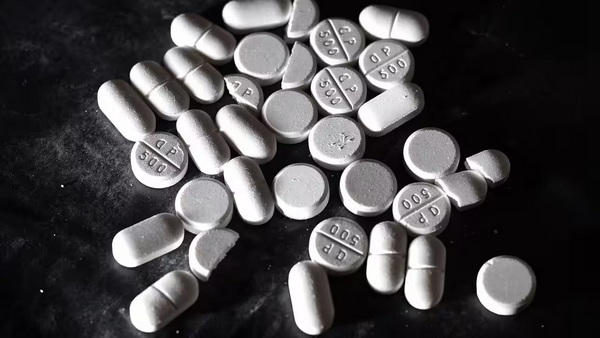
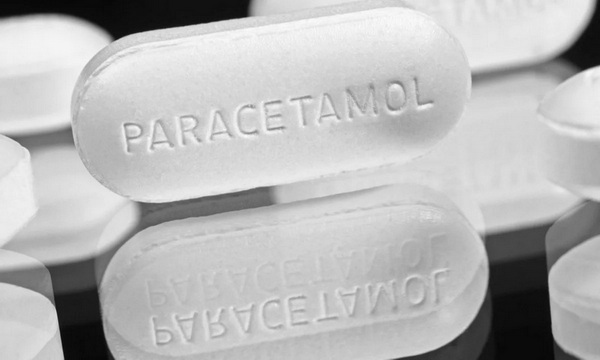
Paracetamol is an analgesic (pain reliever) and antipyretic (fever reducer) medication widely used for treating headaches, muscle aches, menstrual cramps, toothaches, colds, and flu infections. It works by inhibiting the production of prostaglandins in the brain which reduces pain signals and lowers body temperature.
Available in tablets, capsules, suspensions, effervescent forms, and suppositories, paracetamol caters to all age groups with specific dosage formulations. Its safety profile is excellent when taken correctly, but overdosing can cause serious liver damage.
Due to the high number of accidental and intentional overdoses reported globally, many health authorities have implemented regulations restricting the sale of paracetamol in OTC settings.
In the UK, legislation restricts the sale of paracetamol to:
- A maximum pack size of 16 tablets or capsules in general retail outlets like supermarkets.
- Pharmacies may sell larger packs containing up to 50 tablets or capsules but usually under pharmacist supervision.
- Packs containing more than 100 tablets require a prescription.
- Pharmacists often ask patients about total paracetamol consumption if multiple packs are being purchased.
These regulations aim to prevent large quantity purchases that could facilitate intentional overdose or accidental poisoning.[11][12][13]
Australia recently updated its regulations effective from February 2025:
- General sale (supermarkets, convenience stores) of paracetamol products is limited to 16 tablets or capsules per pack.
- Pharmacy-only packs have been reduced from 100 to 50 tablets or capsules, classified as Schedule 2 medicines.
- Packs containing 51-100 tablets require pharmacist supervision and are classified as Schedule 3.
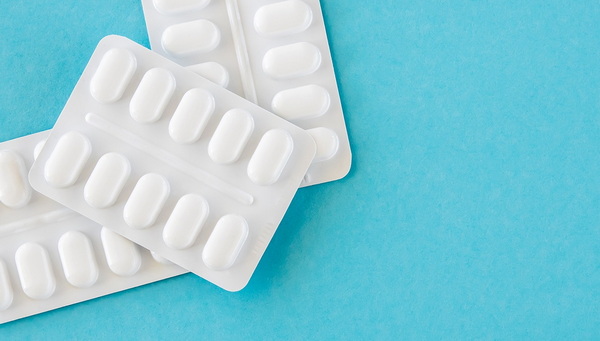
- Immediate-release forms must be sold in blister packs to prevent tablet hoarding.
- Liquid and modified-release formulations are not affected by these changes.
The Therapeutic Goods Administration (TGA) introduced these changes to minimize intentional overdoses and hospitalizations linked to paracetamol poisoning, reflecting global public health concerns.[1][2][3][4]
European countries typically enforce strict regulations on pack sizes and OTC access:
- Some countries do not permit the sale of paracetamol outside pharmacies.
- Pack sizes often limited to 24 tablets in pharmacies and fewer in non-pharmacy outlets.
- Prescription requirements apply for larger quantities or modified-release formulations.
Similar restrictions exist in Ireland and other countries to reduce poisoning risk and promote pharmacist oversight.[7][10]
Though paracetamol itself does not have a strict legal age limit for purchase, many retailers follow voluntary policies:
- Most UK and Australian retailers implement the "Think 25" policy, refusing sale to person under 16 unless accompanied by an adult.
- Pharmacies prefer parental purchase for children under 16.
- Pharmacists may provide counselling regarding correct dosing and potential risks, especially in vulnerable age groups.[14][11]
- Standard dose: 500 mg to 1000 mg every 4 to 6 hours as needed.
- Maximum dose: 4 grams (4000 mg) in 24 hours, usually not exceeding eight 500 mg tablets.
- Maintain at least 4 hours between doses.
- Avoid combining multiple paracetamol-containing products.
Dosing in children is weight and age-dependent:
- Typically, paracetamol dose is calculated as 10-15 mg/kg every 4 to 6 hours.
- Children 6-12 years may take 325-500 mg per dose, with a maximum of about 1625 mg per day.
- Liquid suspensions and suppositories are preferred for precise dosing.
- Never exceed 4 doses in 24 hours without medical advice.
Following dosing instructions is vital especially for children to prevent overdose and toxicity.[15][16][17]
Paracetamol overdose is a significant cause of acute liver failure worldwide. Risk factors include:
- Taking more than the recommended maximum dose.
- Unintentionally combining multiple products containing paracetamol.
- Chronic excessive use beyond prescribed durations.
- Alcohol consumption or pre-existing liver disease raises overdose risk.
Symptoms of overdose include nausea, vomiting, abdominal pain, and liver damage signs, often emerging after a delay. Immediate medical intervention and administration of antidote N-acetylcysteine are crucial to prevent fatal outcomes.[18][19]
To enhance consumer safety, health regulators require:
- Sale of paracetamol in blister packs or unit-dose packaging.
- Child-resistant containers.
- Clear statutory warnings about dosage limits, liver risks, and overdose symptoms.
- Separate packaging of effervescent and liquid forms.
- Restrictions on bulk packaging to minimize stockpiling and misuse.
Pharmacists play a key role in educating consumers and managing supply to reduce overdose incidence.[12][13][20]
Many cold, flu, and pain relief remedies contain paracetamol combined with other active ingredients such as antihistamines, decongestants, and cough suppressants. Customers should:
- Carefully check product labels for paracetamol content.
- Avoid taking multiple combination products simultaneously.
- Ask pharmacists for guidance when uncertain about ingredients.
This helps avoid accidental overdose and adverse reactions.[16][21]
Paracetamol is safe and effective when used as directed. Users should:
- Never exceed recommended doses or duration.
- Avoid switching between multiple paracetamol products without professional advice.
- Seek medical help if pain or fever persists beyond a few days.
- Avoid use if there is a history of liver disease, heavy alcohol use, or allergic reactions.
- Discuss chronic pain management with healthcare providers for safer alternatives.
Pharmacists are valuable resources for guidance on safe paracetamol use.[17][22][14]
Paracetamol remains a trusted and accessible pain and fever relief option globally, supported by regulatory frameworks that safeguard users through purchase limits and packaging requirements. Understanding how much paracetamol can legally be bought over the counter, adhering to dosage guidelines, and recognizing risks of overdose are essential for safe use.
As a professional manufacturer and supplier, our company at supplybenzocaine.co.uk offers top-quality OEM paracetamol products and pharmaceutical ingredients that meet international safety and regulatory standards. We invite foreign brand owners, wholesalers, and producers to contact us for OEM partnerships, ensuring superior product quality and compliance in global markets.
Generally, retail shops like supermarkets sell packs with a maximum of 16 tablets or capsules. Pharmacies may sell larger packs, usually up to 50 tablets, often requiring pharmacist supervision. Purchasing more than 100 tablets typically requires a prescription.[1][11][12]
Children under 16 usually cannot buy paracetamol directly and need a parent or guardian to make the purchase, preferably via a pharmacy. Pharmacists provide advice on correct child dosing and suitable formulations.[11][14]
Adults should not exceed 4 grams (4000 mg) in 24 hours, typically eight 500 mg tablets, with at least 4 hours between doses. Exceeding this can cause serious liver damage.[22][23]
Yes, liquid formulations are regulated by volume limits (e.g., 160 ml for adults) and age-appropriate dosing to prevent overdose in children.[3][12]
Seek emergency medical attention immediately, even if no symptoms appear. Early treatment with antidotes like N-acetylcysteine can prevent life-threatening liver damage.[19][18]
[1](https://creakyjoints.org.au/news-and-features/new-paracetamol-access-rules-what-they-mean-for-people-with-chronic-conditions/)
[2](https://www.guild.org.au/news-events/news/forefront/v16n02/6-paracetamol)
[3](https://www.tga.gov.au/products/medicines/non-prescription-medicines/over-counter-otc-medicines/final-decision-paracetamol-access-controls-poisons-standard-question-and-answers)
[4](https://www.australianpharmacist.com.au/what-pharmacists-need-to-know-about-the-paracetamol-regulation-changes/)
[5](https://en.wikipedia.org/wiki/Paracetamol)
[6](https://pmc.ncbi.nlm.nih.gov/articles/PMC9663334/)
[7](https://catalogues.ema.europa.eu/node/4230/administrative-details)
[8](https://www.chpaustralia.com.au/Media-and-Publications/Latest-News/2025/Paracetamol-pack-size-changes-come-into-effect-on-1-February-2025)
[9](https://www.fda.gov/drugs/information-drug-class/acetaminophen)
[10](https://www.nsrf.ie/are-tougher-regulations-on-paracetamol-availability-justified/)
[11](https://www.theindependentpharmacy.co.uk/pain/guides/paracetamol-sale-restrictions-how-old-do-you-have-to-be-to-buy-paracetamol)
[12](https://www.legislation.gov.uk/uksi/2012/1916/schedule/15/made?view=plain)
[13](https://assets.publishing.service.gov.uk/media/67e69e9e085277e9961b201b/Best_practice_guidance_on_the_sale_of_medicines_2025.pdf)
[14](https://www.nhs.uk/medicines/paracetamol-for-adults/who-can-and-cannot-take-paracetamol-for-adults/)
[15](https://www.vinmec.com/eng/blog/dosage-of-paracetamol-for-children-by-weight-en)
[16](https://www.nps.org.au/news/safe-and-appropriate-use-of-paracetamol-closing-the-consumer-knowledge-gap)
[17](https://www.medparkhospital.com/zh-CN/lifestyles/how-to-use-paracetamol-safely)
[18](https://www.cec.health.nsw.gov.au/keep-patients-safe/medication-safety/high-risk-medicines/paracetamol)
[19](https://www.healthdirect.gov.au/paracetamol)
[20](https://www.gov.uk/government/publications/statutory-warnings-for-all-medicines-containing-paracetamol)
[21](https://retailpharmacymagazine.com.au/what-the-new-paracetamol-sales-rules-mean-for-pharmacists/)
[22](https://www.nhs.uk/medicines/paracetamol-for-adults/how-and-when-to-take-paracetamol-for-adults/)
[23](https://www.tga.gov.au/news/news/recommended-paracetamol-doses)
Hot tags: OTC Paracetamol Limit, Paracetamol Over The Counter, Paracetamol Purchase Rules, Paracetamol Pack Size Limit, Paracetamol Buying Guidelines, Paracetamol Sales Restrictions, Paracetamol Regulations, Paracetamol Safety, Paracetamol Dosage Guidelines, Paracetamol Purchase Age