Content Menu
● What is Procaine Penicillin?
● How Does Procaine Penicillin Work in Dogs?
● When is Procaine Penicillin Used for Dogs?
● How Often Should You Give Your Dog Procaine Penicillin Injection?
● How to Administer Procaine Penicillin Injection Safely?
● What Are the Possible Side Effects?
● Precautions and Contraindications
● Benefits of Using Procaine Penicillin Injection in Dogs
● How to Recognize Improvement and When to Seek Follow-Up?
● Storage and Handling of Procaine Penicillin
● FAQ
>> 1. How quickly does procaine penicillin start working in dogs?
>> 2. Can I give my dog procaine penicillin orally?
>> 3. What should I do if I miss a dose?
>> 4. Is procaine penicillin painful for dogs?
>> 5. How should I store procaine penicillin?
In veterinary medicine, procaine penicillin injection is a commonly prescribed antibiotic used to treat bacterial infections in dogs. It is crucial for pet owners and veterinary professionals to understand the correct dosage, frequency, and administration procedures to ensure effective treatment while maintaining the safety of the animal.
This article provides a comprehensive guide on how often to give a dog procaine penicillin injection, including insights into its uses, benefits, administration methods, potential side effects, and important precautions.
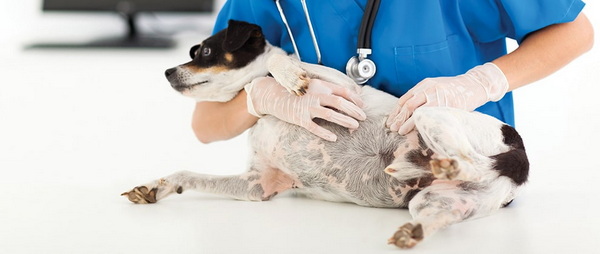
Procaine penicillin is a formulation combining penicillin G with procaine, a local anesthetic that slows absorption for a prolonged therapeutic effect. Penicillin is a β-lactam antibiotic that inhibits bacterial cell wall synthesis, making it effective against many Gram-positive bacteria. When combined with procaine, its absorption slows, allowing the drug to remain longer in the bloodstream and tissues, reducing how often injections are needed.
This feature makes procaine penicillin especially useful for treating infections in animals where daily dosing via injection is necessary but frequent dosing is impractical.
Procaine penicillin works by targeting the synthesis of the bacterial cell wall. During infection, bacteria need to build and maintain their walls to survive and multiply. Penicillin binds to specific proteins called penicillin-binding proteins (PBPs), which are essential for cell wall construction, thus weakening the bacteria and causing them to burst due to osmotic pressure.
By elaborately disrupting bacterial cell wall formation, procaine penicillin aids in eliminating infections without affecting the host dog's cells, which lack cell walls.
Veterinarians use procaine penicillin primarily for bacterial infections sensitive to penicillin, including:
- Skin infections (pyoderma): These often involve bacteria such as Staphylococcus species causing itching, redness, and ulcers.
- Respiratory tract infections: Such as bacterial pneumonia caused by susceptible organisms.
- Urinary tract infections: When caused by bacteria responsive to penicillin.
- Wound infections: After cuts, bites, or surgeries to prevent or treat bacterial contamination.
- Soft tissue infections: Such as abscesses or cellulitis.
Using intramuscular injections ensures rapid delivery and sustained antibiotic blood levels, critical in more severe infections.
The frequency of administration depends on several factors including infection severity, the dog's weight, and veterinary assessment. The general recommendations are:
- Dosage: Usually ranges from 20,000 to 40,000 IU per kilogram of body weight per day.
- Frequency: Typically, the injection is administered once every 24 hours (once daily).
- Duration: Treatment usually spans 5 to 7 days but may extend longer depending on the infection's response and veterinarian advice.
The slow-release mechanism of procaine allows once-daily injections instead of multiple doses throughout the day, improving owner compliance and reducing stress for the animal.
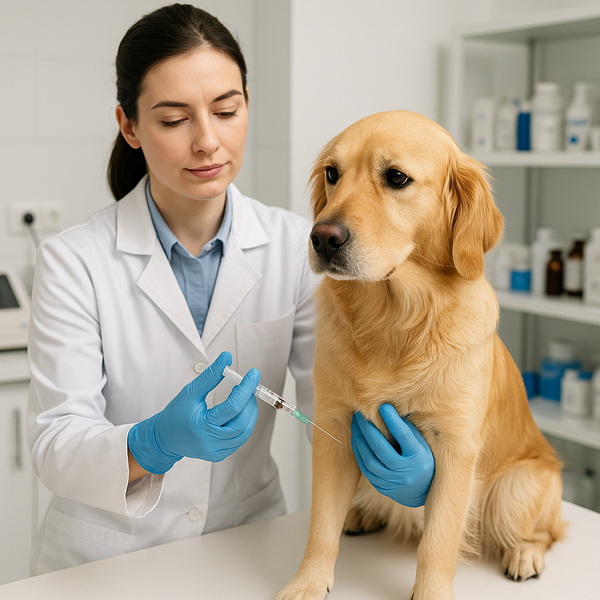
Administering injections safely is essential to avoid complications such as irritation, muscle damage, or infection at the site.
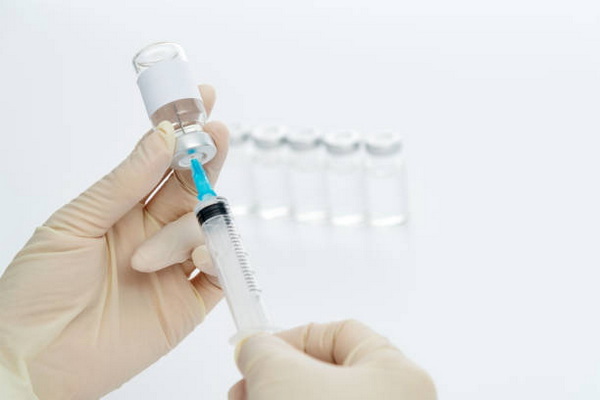
1. Prepare necessary equipment: Use a sterile syringe and a needle sized about 22-25 gauge for intramuscular administration.
2. Calculate the correct dose based on your dog's latest weight, ensuring accuracy to avoid overdosing or underdosing.
3. Select the injection site, commonly the thigh (quadriceps or hamstring muscles) or the shoulder muscles, avoiding blood vessels and nerves.
4. Disinfect the area with an alcohol swab to reduce infection risks.
5. Insert the needle at a 90-degree angle intramuscularly, then inject the medication slowly to minimize discomfort.
6. Dispose of needles in sharps containers to prevent injuries or contamination.
7. Monitor the dog after injection for any adverse reactions.
Always adhere to aseptic techniques and proper handling to ensure the dog's safety and effective treatment.
Though procaine penicillin injections are generally safe, some dogs may experience side effects including:
- Mild swelling, redness, or tenderness at the injection site.
- Allergic reactions: hives, itching, swelling of the face or limbs, and in severe cases, anaphylaxis.
- Gastrointestinal upset: vomiting or diarrhea.
- Loss of appetite or lethargy in some cases.
If severe allergic symptoms or anaphylactic shock signs such as difficulty breathing or collapse occur, seek veterinary help immediately.
Before using procaine penicillin:
- Confirm the dog is not allergic to any penicillin or β-lactam antibiotic to prevent hypersensitivity reactions.
- Use caution or avoid in pregnant or lactating females unless prescribed by a vet.
- Avoid using for viral infections, as antibiotics are ineffective against viruses.
- Inform the veterinarian about any current medications the dog is taking to prevent drug interactions.
- Do not administer intravenous injections; procaine penicillin is not formulated for IV use, only intramuscular.
Careful vet supervision ensures the correct use of this medication to minimize adverse effects while achieving therapeutic success.
Some advantages of procaine penicillin include:
- Long-lasting effect: The procaine component slows drug absorption, reducing the frequency of injections.
- Fast action: Intramuscular injection delivers the drug directly into muscle, where it is rapidly absorbed.
- Pain reduction: Procaine helps minimize injection discomfort compared to plain penicillin.
- Wide availability: A cost-effective and commonly stocked veterinary antibiotic.
- Broad-spectrum activity: Effective against many Gram-positive bacterial infections common in dogs.
These benefits make procaine penicillin an excellent choice for bacterial infections requiring sustained antibiotic levels.
Important signs that your dog is responding to treatment include:
- Reduced fever and inflammation.
- Less swelling or discharge in wounds.
- Return of appetite and increased energy.
- Clear breathing without coughing or nasal discharge if respiratory-related.
If symptoms worsen, or no improvement is observed after three days, consult the veterinarian immediately. Some infections may require alternative antibiotics or further diagnostics.
Proper storage ensures the medicine retains its potency:
- Store the bottle in a cool, dry place, protected from direct sunlight and temperatures above 25°C (77°F).
- Keep out of reach of children and pets.
- Follow the expiration date strictly and do not use if the solution is cloudy or discolored.
- Once opened, some products may require refrigeration; check the manufacturer's instructions.
Handling the medication correctly guarantees safe and effective therapy.
Procaine penicillin injection is an effective, long-acting antibiotic widely used in veterinary care to treat bacterial infections in dogs. Administered typically once daily for 5 to 7 days, it offers prolonged protection due to the slow-release procaine component, easing the treatment process for both pet owners and animals. Safe handling, correct dosing, and careful monitoring help maximize its benefits while minimizing side effects. Always follow veterinary guidance to ensure the best outcome.
For manufacturers, wholesalers, or brand owners seeking high-quality procaine penicillin or custom OEM pharmaceutical products specialized for veterinary use, contact us at supplybenzocaine.co.uk. We provide advanced R&D, manufacturing, and personalized OEM services in biotechnology, pharmaceuticals, and medical devices to support your global business needs.
Contact us today for expert consultation and customized solutions tailored to your brand's success in international markets.
Procaine penicillin typically begins to reduce infection signs within 24-48 hours after the first injection. Clinical improvements such as reduced swelling or better appetite may be noticed as early as day one.
No, procaine penicillin is formulated specifically for intramuscular injection. Oral penicillin products are separate and should only be used according to veterinary instructions.
If a dose is missed, consult your vet immediately. Do not double the next injection as this could cause side effects or overdose. Your vet will advise the best course of action based on timing.
The procaine component in the injection helps reduce pain at the site of administration, but mild discomfort is possible. Injection technique and site rotation can also minimize pain.
Store in a cool, dry place away from sunlight, ideally between 15-25°C (59-77°F). Ensure it is kept out of reach of children and pets. Consult the product label for specific storage instructions.
Hot tags: Procaine Penicillin Dosage, Dog Medication, Veterinary Care, Procaine Injection Frequency, Antibiotic Treatment, Dog Health, Pet Care Guidelines, Procaine for Dogs, Injection Instructions, Veterinary Antibiotics