Content Menu
● Introduction to Bulk Paracetamol Purchasing
● Why Buy Paracetamol in Bulk?
● Understanding Paracetamol Specifications and Quality Standards
● How to Identify a Reliable Paracetamol Supplier
● Pricing Factors and Cost Negotiation
● Step-by-Step Bulk Paracetamol Purchasing Process
>> 1. Determine Your Requirements:
>> 2. Research Potential Suppliers:
>> 3. Request Quotes and Samples:
>> 4. Verify Compliance and Documentation:
>> 5. Negotiate Payment and Delivery Terms:
>> 7. Quality Inspection Upon Receipt:
>> 8. Manage Logistics and Customs Clearance:
● Legal and Regulatory Considerations
● Packaging and Storage Tips for Bulk Paracetamol
>> 1. What is the minimum order quantity for bulk paracetamol?
>> 2. How can I verify the quality of bulk paracetamol?
>> 3. Is it possible to customize the paracetamol formulation or packaging?
>> 4. What regulatory documents are needed for importing bulk paracetamol?
>> 5. How should bulk paracetamol be stored to maintain its quality?
Paracetamol, also known as acetaminophen, is one of the most widely used over-the-counter analgesics and antipyretics globally. For businesses like pharmacies, wholesalers, and manufacturers, sourcing paracetamol in bulk is a strategic and cost-effective way to meet growing market demands. This comprehensive purchasing guide will walk you through essential factors for bulk paracetamol procurement, including supplier selection, quality standards, regulatory compliance, pricing, logistics, and after-sales considerations. Whether you are a pharmaceutical brand, distributor, or health product manufacturer, this article provides actionable insights to optimize your buying process.
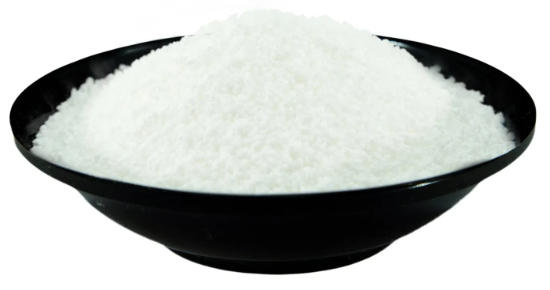
Paracetamol is a crucial ingredient in many pharmaceutical and healthcare products, used primarily for pain relief and fever reduction. Given its high consumption rate worldwide, buying in bulk helps businesses reduce costs, ensure product availability, and maintain supply chain stability. With significant market demand and evolving regulatory landscapes, especially in the biomedical and pharmaceutical industries, a thorough understanding of the procurement process is vital.
Industrial buyers should understand the entire supply chain—from verification of suppliers, ensuring compliance, through to quality assurance and delivery. This guide details the necessary steps to make an informed purchasing decision and avoid common pitfalls in buying bulk paracetamol.
Buying paracetamol in bulk presents multiple advantages for businesses engaged in pharmaceutical distribution or manufacturing:
- Cost Efficiency: Ordering large quantities reduces the per-unit cost significantly, which benefits profit margins.
- Supply Stability: Avoid stockouts by maintaining a steady inventory, critical during health crises or seasonal peaks.
- Customization Options: Many manufacturers provide OEM services that allow buyers to request specific formulations, customized packaging, or labeling tailored to their brand.
- Stronger Negotiating Power: Larger orders often open the door to price discounts, better payment terms, and enhanced customer support.
- Improved Inventory Management: Bulk purchases reduce ordering frequency, simplifying logistics and procurement operations.
This strategic sourcing helps maintain both product availability and customer satisfaction in competitive markets.
Ensuring that your bulk paracetamol meets international pharmaceutical quality standards is paramount for safety and efficacy. Key quality considerations include:
- Compliance with Pharmacopoeia Standards: Paracetamol must adhere to recognized standards such as USP (United States Pharmacopeia), EP (European Pharmacopoeia), or BP (British Pharmacopoeia). These standards regulate purity levels, dissolution rates, and limits of impurities.
- Certificate of Analysis (CoA): A reliable supplier provides detailed CoAs from accredited third-party laboratories confirming batch-specific quality.
- Good Manufacturing Practice (GMP) Compliance: Production must be carried out in GMP-certified facilities ensuring consistent quality and hygiene.
- Stability Testing: The product should have validated stability studies to ensure it retains its potency and safety over its shelf life, even under different environmental conditions.
- Active Ingredient Purity: Buyers should verify paracetamol's purity, typically above 98%, to minimize risks of contamination or substandard performance.
Evaluating these specifications upfront prevents costly regulatory issues and product recalls.
Choosing the right supplier is crucial for a hassle-free bulk procurement process. Given the health-sensitive nature of paracetamol, due diligence is essential:
- Proven Experience: Select manufacturers with significant experience and credentials in pharmaceutical ingredient production.
- OEM and Customization Capabilities: For businesses wanting private labeling or specific product formats (tablets, powders, granules), confirm if the supplier offers OEM services.
- Regulatory Certifications: Suppliers must have valid GMP certificates and appropriate export/import licenses. ISO certifications are a plus.
- Transparent Communication: Reliable suppliers provide full traceability, product data sheets, and respond promptly to inquiries.
- Global Client References: Ask for testimonials or case studies concerning international clients to assess reliability and service quality.
- Sample Testing: Always request samples to verify product quality and to conduct internal or third-party laboratory testing before committing to large orders.
Building long-term relationships with trustworthy suppliers ensures steady raw material flow and reduces procurement risks.
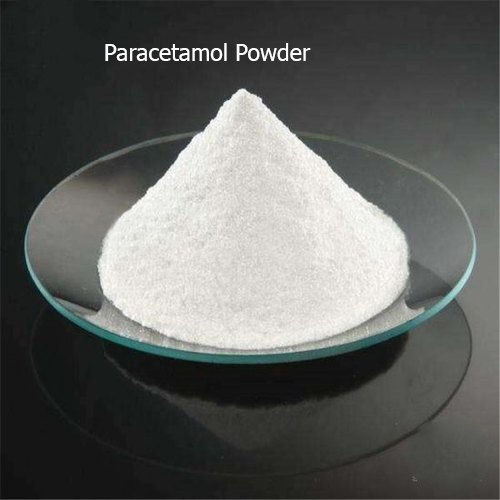
Several factors influence the price of bulk paracetamol:
- Order Volume: Larger quantities generally lead to significant discounts.
- Purity and Grade: Pharmaceutical-grade paracetamol with higher purity commands higher pricing than industrial-grade.
- Packaging Requirements: Custom packaging, such as blister packs or branded containers, will increase costs.
- Payment Terms: Suppliers may offer better prices for upfront payments or longer credit terms.
- Shipping and Logistics: Freight costs, insurance, import duties, and taxes should be considered to calculate the total landed cost.
Effective negotiation involves requesting detailed quotations, comparing multiple suppliers, and factoring in all associated costs beyond the product price alone.
Define quantity, purity level, desired packaging, and delivery schedule to communicate clearly with potential suppliers.
Use verified B2B marketplaces, industry trade shows, and regulatory databases to identify credible manufacturers and distributors.
Obtain quotations based on your detailed specifications and test samples for quality validation.
Ensure suppliers provide GMP certificates, CoAs, and export licenses compliant with your country's regulations.
Agree on payment methods, delivery schedules, and incoterms such as FOB, CIF, or DDP.
Formalize the contract with clear terms and conditions to safeguard both parties.
Conduct post-arrival testing either in-house or via a third-party to confirm product quality.
Arrange timely customs clearance and transportation to avoid delays.
Stay in touch with your supplier for after-sales support, warranty issues, or future orders.
Compliance with both local and international pharmaceutical regulations is essential:
- Import Licenses: Verify whether your jurisdiction requires specific import licenses or permits for active pharmaceutical ingredients (APIs) like paracetamol.
- Product Registration: Some countries mandate registration or approval of pharmaceutical ingredients or finished products before importation or sale.
- Pharmacopoeial Requirement Compliance: Ensure that the bulk paracetamol conforms to national pharmacopeial standards to obtain market approval.
- Safety and Environmental Regulations: Adhere strictly to guidelines for safe handling, storage, and disposal as set by environmental protection authorities.
- Labeling and Documentation: Products must include comprehensive labeling that meets regulatory demands, including batch numbers, expiry dates, and safety warnings.
Proper regulatory compliance prevents shipment seizures, penalties, and reputational damage.
Proper packaging and storage are critical to maintain the integrity of paracetamol during transit and warehousing:
- Storage Environment: Store in cool, dry conditions—preferably below 25°C—and protected from direct sunlight and moisture.
- Packaging Solutions: Bulk paracetamol is typically packed in moisture-resistant, airtight containers such as aluminum foil bags, HDPE bags, or drums lined with liners.
- Tamper Evidence: Packaging should be tamper-proof and labeled clearly with production and expiry dates.
- Shelf-life Management: Rotate stock based on expiry dates to prevent product degradation.
- Safety Precautions: Use handling guidelines laid out in the Material Safety Data Sheet (MSDS).
Purchasing paracetamol in bulk requires comprehensive due diligence to secure quality, regulatory compliance, and cost-effectiveness. Carefully selecting suppliers with strong OEM capabilities and proven GMP compliance enables you to meet production targets and ensure consistent supply. Additionally, understanding pricing structures, managing logistics prudently, and following proper storage protocols help to maintain product integrity from factory to end user. If you want to enhance your pharmaceutical product line with reliable bulk paracetamol supply and customized OEM services, contact our professional team today. We are ready to assist with quality products, competitive pricing, and seamless logistics support tailored to your business needs.
Ready to streamline your bulk procurement?
Contact us now for a free consultation and sample request!
Minimum order quantities (MOQs) vary by manufacturer but generally start from 100 kg to 500 kg. Some suppliers may offer smaller trial quantities upon request.
Request a Certificate of Analysis (CoA) from the supplier, conduct or commission third-party laboratory testing, and ensure the product is manufactured in GMP-certified facilities.
Yes, many suppliers provide OEM services allowing for customized formulations, packaging types, and branded labeling based on buyer specifications.
Documentation typically includes import licenses, GMP compliance certificates, product registration certificates, customs declarations, and CoAs.
Paracetamol should be stored in airtight containers at temperatures below 25°C, away from moisture, direct sunlight, and excessive heat to prevent degradation.
Hot tags: How To Buy Paracetamol, Bulk Paracetamol Suppliers, Paracetamol Purchasing Guide, Buy Paracetamol Online, Wholesale Paracetamol Prices, Paracetamol Bulk Orders, Paracetamol Buying Tips, Paracetamol for Businesses, Paracetamol Supply Chain, Paracetamol Quality Assurance