Content Menu
● What is Benzocaine and Its Common Uses?
● Factors to Consider When Choosing Benzocaine Products
>> Intended Use and Target Market
>> Safety Considerations and Side Effects
>> Quality Assurance and Regulatory Compliance
>> Advantages of Partnering with a Professional OEM Benzocaine Manufacturer
● Frequently Asked Questions (FAQs)
>> 1. What is the ideal concentration of benzocaine for sensitive skin applications?
>> 2. Can benzocaine products be used for children?
>> 3. How do I verify the quality of a benzocaine manufacturer?
>> 4. What are the most common benzocaine formulations used in dental care?
>> 5. Are OEM benzocaine products customizable in terms of packaging and labeling?
Benzocaine is a widely used local anesthetic that provides fast and effective temporary relief for various types of pain and discomfort. Whether you're a healthcare professional, brand owner, wholesaler, or manufacturer, understanding how to select the right benzocaine product is essential to meet your customers' needs and ensure safety and efficacy. This comprehensive guide is tailored for you, a business in the biotechnology, pharmaceutical, and medical device sectors, offering OEM services to international clients.
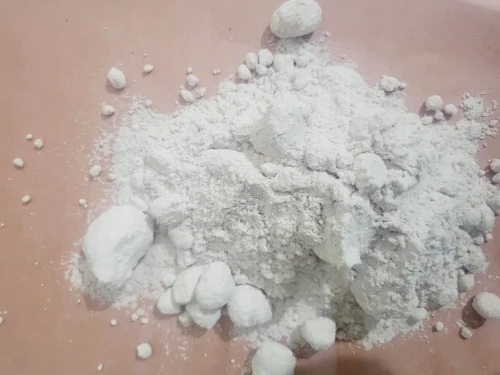
Benzocaine is an ester-type local anesthetic commonly used in topical pain-relieving products. It works by blocking nerve signals in the body, which helps reduce pain or discomfort. Benzocaine is available in a variety of formulations including gels, sprays, lozenges, ointments, and creams, widely applied for:
- Sore throat relief
- Toothache and dental pain
- Minor skin irritations and insect bites
- Ear pain and cold sores
- Mucosal inflammation
Benzocaine has been a trusted active ingredient in over-the-counter products for decades due to its rapid numbing effect and ease of application. It is particularly valued in OTC pharmaceutical markets for its non-prescription availability and effectiveness. However, knowing the right use cases and applying correct formulations is vital for maximizing benefits.
Educational videos explaining benzocaine's mechanism of action serve as an excellent aid for training healthcare providers and informing consumers about its proper use and safety profiles.
Selecting the right benzocaine product depends on multiple factors to ensure it best suits the needs of your target market. These factors include concentration, formulation type, usage scenario, regulatory compliance, and specific customer requirements.
Benzocaine products come in different strengths, typically ranging from 5% to 20%. Different concentrations offer varying degrees of pain relief and have distinct safety considerations:
- Low concentration (5%-10%) is suitable for mild skin irritations and sensitive areas. It provides gentle relief with a lower risk of adverse reactions.
- Medium concentration (10%-15%) is effective for moderate pain like sore throats or oral discomfort. It balances efficacy and safety for general consumer use.
- High concentration (up to 20%) is often reserved for more intense pain relief such as dental procedures or localized numbing where fast and deep anesthesia is needed.
Choosing the correct concentration requires careful consideration of target application sites, patient demographics, and duration of effect required. Over-concentration without medical supervision can increase the risk of side effects like methemoglobinemia.
The formulation of benzocaine affects its delivery, absorption, and suitability for different treatment areas and user preferences. Common types include:
- Creams and Ointments: Designed for topical use on the skin, ideal for treating insect bites, sunburns, and minor cuts. They offer a soothing texture and prolonged contact with affected skin areas.
- Gels: Typically water or alcohol-based, gels penetrate quickly and are preferred for mucous membranes such as inside the mouth and throat. Their quick-drying nature makes them convenient for oral discomfort or minor wounds.
- Sprays: Deliver a fine mist over a wide or hard-to-reach area. Sprays are widely used in dental or ENT practices for rapid numbing and in consumer products to soothe sore throats or minor skin pain.
- Lozenges and Troches: These slowly dissolve in the mouth, providing prolonged numbing effects suitable for throat pain and oral mucosal conditions.
- Patches: Transdermal patches offer controlled and extended release of benzocaine, providing sustained relief for localized pain over several hours.
Understanding which delivery system aligns with the intended use is critical in product development, especially when tailoring treatments for niche markets or specialized medical applications.
Your target audience greatly influences the best choice of benzocaine product. Different users have unique preferences and medical needs:
- Healthcare Professionals: This group tends to demand precise dosing, fast onset, and reliable strength for effective clinical use, favoring gels, sprays, and patches.
- Retail Consumers: Often prefer user-friendly formats like gels, ointments, and lozenges that are easy to apply and provide quick relief for everyday ailments.
- OEM Clients: Require flexibility in packaging, formulation, and branding options to adapt benzocaine formulations to their target demographics and regional regulations.
Market segmentation and customer feedback data are valuable tools to help manufacturers design benzocaine products personalized for each customer segment.
While benzocaine is generally safe when used as directed, oversights in choosing or using the wrong product can bring health risks:
- Methemoglobinemia: A rare but serious side effect where benzocaine leads to reduced oxygen in the blood. This risk is higher in infants, young children, and patients using high doses or large skin areas.
- Allergic Reactions: Some individuals may develop contact dermatitis or other allergic responses to benzocaine or other formulation excipients.
- Overdose and Toxicity: Misuse or excessive application can lead to systemic toxicity.
Careful labeling, dosing instructions, and educating end-users about safe usage practices are paramount. Manufacturers should conduct risk assessments and include safety warnings tailored to regional health regulation requirements.
For companies engaged in the manufacturing and distribution of benzocaine products, adherence to regulatory standards guarantees product safety, market acceptance, and consumer trust:
- Purity and Quality: Ensuring raw benzocaine is sourced with pharmacopeia-grade purity and subjected to stringent quality control measures prevents contamination and ensures uniform potency.
- Certifications: Compliance with GMP (Good Manufacturing Practices), ISO 9001, and local regulatory bodies like FDA (USA), EMA (Europe), MHRA (UK), or CFDA (China) solidifies market eligibility.
- Comprehensive Documentation: Providing detailed product information including MSDS (Material Safety Data Sheets), Certificates of Analysis (CoA), and regulatory filings is essential for transparency and legal compliance.
OEM manufacturers must maintain open communication lines with clients regarding latest regulatory changes and quality standards for benzocaine products.
Choosing an experienced OEM partner offers several key benefits to brands and distributors:
- R&D Expertise: Capability to develop custom benzocaine formulations that align with your product vision and target demographics.
- Scalable Production: Flexibility to handle both small trial batches and large-scale manufacturing without compromising quality.
- Custom Packaging: Ability to deliver packaging and labeling that meets your brand's design needs while respecting local compliance requirements.
- Regulatory Support: Assistance in navigating product registration, testing, and certification for multiple international markets.
- Consistent Quality: Implementation of rigorous QA processes and lab testing to ensure each batch meets specifications.
A strong partnership enables brands to launch benzocaine products with confidence and competitive advantage.
Choosing the right benzocaine product requires a detailed understanding of concentration levels, formulation types, intended applications, and regulatory requirements. Whether targeting healthcare professionals, retail consumers, or international OEM markets, aligning product features with end-user needs is critical for effective pain relief, safety, and market success. Partnering with a reliable OEM manufacturer ensures that your benzocaine products deliver consistent quality, customizable options, and compliance with global standards. At supplybenzocaine.co.uk, we are committed to helping you create tailored benzocaine solutions that empower your brand and meet your customers' expectations.
Contact us today to discuss your benzocaine product customization and bulk supply needs!
For sensitive skin, low concentrations of 5% to 10% benzocaine are recommended to minimize irritation while providing effective relief.
Benzocaine use in children, especially under two years, should be avoided or closely supervised due to potential side effects like methemoglobinemia.
Look for certificates such as GMP, ISO 9001, and request third-party lab test results to confirm product purity and safety.
Gels and sprays with concentrations between 10% and 20% are widely used for dental pain and numbing before procedures.
Yes, professional manufacturers offer flexible OEM services allowing customized packaging, labeling, and branding to suit your market needs.
Hot tags: Choosing Benzocaine Products, Benzocaine Product Guide, Benzocaine Selection Tips, Best Benzocaine for Pain Relief, Benzocaine Concentration Guide, Benzocaine Application Methods, Benzocaine for Oral Use, Benzocaine for Topical Use, Benzocaine Product Comparison, Benzocaine Effectiveness