Content Menu
● Step-by-Step: Benzocaine Powder Production
>> Step 1: Preparation of 4-Nitrobenzoic Acid
>> Step 2: Esterification to Produce Ethyl 4-Nitrobenzoate
>> Step 3: Reduction to Obtain Benzocaine
>> Step 4: Purification and Recrystallization
● Quality Control and OEM Considerations
● Applications of Benzocaine Powder
● Frequently Asked Questions (FAQ)
>> 1. What are the main raw materials needed for benzocaine synthesis?
>> 2. Is benzocaine synthesis safe to perform at home?
>> 3. How do you ensure benzocaine purity for pharmaceutical use?
>> 4. What are the main applications of benzocaine powder?
>> 5. Can I request custom particle size or OEM formulations?
Benzocaine is a widely used local anesthetic, prized for its numbing effects and broad applications in medicine, dentistry, and consumer products. As a professional supplier in the biotech and pharmaceutical industry, understanding the synthesis and production ("cooking") of benzocaine powder can illuminate the meticulous processes behind high-purity product manufacturing and serve as an essential guide for OEM clients, brand owners, wholesalers, and manufacturers seeking custom solutions.
This comprehensive guide delves into the science, safety, step-by-step procedures, and industrial best practices for producing benzocaine powder. We include detailed process flows, safety advice, practical applications, and answer the most common questions from industry partners to help you fully grasp the complexities and quality requirements of benzocaine production.
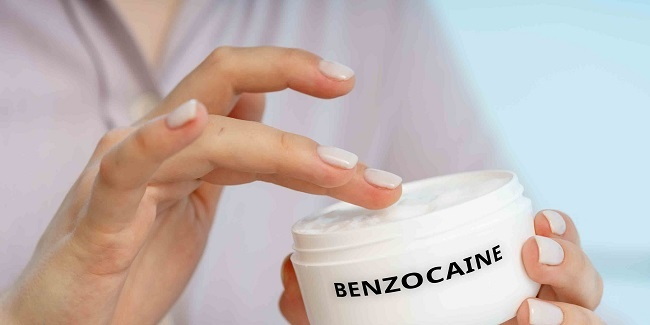
Benzocaine is an ester-type local anesthetic, chemically known as ethyl 4-aminobenzoate. It is commonly utilized for its effective topical pain-relieving properties in a variety of medical and consumer products. The compound works by blocking nerve signals in the body, providing fast-acting numbing effects that have made it a staple ingredient in oral gels, sprays, ointments, and various medical devices.
From a manufacturing perspective, benzocaine powder is the raw material form that is critical for formulating finished products. The appeal of benzocaine lies in its relatively low systemic toxicity and localized action, making it suitable for over-the-counter applications as well as prescription formulations. Due to its importance, maintaining a high degree of purity and controlling physical properties during synthesis are essential to meet pharmaceutical standards and regulatory compliance.
The production of benzocaine involves handling reactive and potentially hazardous chemicals, requiring stringent adherence to safety rules. Safety precautions are paramount during synthesis to protect operators and prevent accidents.
Always wear proper personal protective equipment (PPE), including gloves, safety goggles, and lab coats, while working in a chemical fume hood to avoid inhaling fumes and vapors. The process compensates for handling highly concentrated acids such as sulfuric acid, flammable solvents like ethanol, and reductive agents involving hydrogen gas or metal catalysts. Avoid direct skin or eye contact with reagents and finished products before confirmed purification.
In case of accidental exposure, irrigate the affected area with plenty of water and seek medical attention if necessary. Proper waste treatment and disposal procedures should align with local environmental protection regulations to prevent contamination. These protocols ensure a safe workplace and uphold product integrity from start to finish.
A successful benzocaine synthesis depends on the choice of raw materials and the right equipment for carrying out chemical transformations efficiently and safely.
Raw Materials:
- 4-nitrobenzoic acid or para-nitrotoluene as the starting substrate
- Absolute ethanol as solvent and esterifying agent
- Concentrated sulfuric acid for catalyzing esterification
- Reducing agents such as palladium on carbon (Pd/C) for catalytic hydrogenation or alternative iron-based systems
- Hydrogen gas for reduction
- Sodium bicarbonate solution for neutralization
- Deionized water for washing and purification steps
Equipment:
- A three-neck round-bottom flask ideal for reflux and gas inlet
- Reflux condenser to maintain solvent and control reaction temperature
- Oil bath for consistent heating
- Magnetic stirrer for uniform mixing
- Filtration apparatus such as Buchner funnel and vacuum pump
- pH meter or indicator paper for monitoring acidity/basicity levels
- Protective lab attire and chemical-resistant gloves
- Fume hood for ventilation and vapor management
Industrial scale setups employ specialized reactors with automatic temperature and pressure controls to optimize yield and purity.
The initial step focuses on obtaining 4-nitrobenzoic acid, a key intermediate. This can be synthesized from para-nitrotoluene via an oxidation reaction. The reactants are mixed in water with an oxidizing agent such as potassium permanganate. The mixture is heated continuously at temperatures between 90°C to 95°C for several hours. This step converts the methyl group into a carboxylic acid group effectively.
Once the reaction is complete, the 4-nitrobenzoic acid precipitates out and is isolated through filtration. The solid product is then washed and dried to remove residual impurities. This compound forms the foundation for the next reaction stage.
In this stage, 4-nitrobenzoic acid undergoes esterification with ethanol to produce ethyl 4-nitrobenzoate. The acid is dissolved in excess absolute ethanol in a round-bottomed flask equipped for reflux. Concentrated sulfuric acid is then added slowly to catalyze the reaction. This addition requires careful temperature control using an ice bath to manage the exothermic nature of the process.
The mixture is heated under reflux conditions, typically around 150°C, for two to three hours. This heating drives the reaction to completion as indicated by analytical monitoring techniques like TLC or GC. The reaction results in the formation of ethyl 4-nitrobenzoate, which can be isolated by cooling the reaction mixture and filtering the precipitate. Washing with cold ethanol and water improves purity by removing unreacted starting materials and byproducts.
Reduction transforms the nitro group on ethyl 4-nitrobenzoate into an amino group, thereby generating benzocaine. One commonly used approach is catalytic hydrogenation using palladium on carbon (Pd/C) as a catalyst under pressurized hydrogen gas. The reaction is carried out in ethanol at a temperature around 100°C. The progress is typically followed by thin-layer chromatography or other suitable analytical techniques to ensure complete conversion.
Alternatively, iron filings and acid can serve as a reducing system, especially in less automated environments. After completion of reduction, the catalyst is filtered off, and the solution is neutralized gradually with sodium bicarbonate or dilute acid to optimize pH for precipitating benzocaine. Maintaining the pH between 3 and 4 helps separate benzocaine as a solid.
Purification is paramount to remove residual metals, solvents, and side-products. Benzocaine powder is precipitated by adjusting the pH to mildly basic conditions around pH 8. The solid is collected via vacuum filtration and washed thoroughly with water.
Recrystallization from ethanol refines the product further. Adding a small quantity of surfactant such as dodecyl sodium sulfate can assist in regulating crystal size and morphology, which is critical for pharmaceutical-grade material. The purified benzocaine crystals are then dried under vacuum at 80°C to 85°C to obtain a free-flowing powder.
Pharmaceutical and consumer product manufacturers demand consistently high purity and reproducibility. Quality control of benzocaine powder incorporates analytical methods such as high-performance liquid chromatography (HPLC) to detect impurities alongside physical assessments such as melting point analysis.
Controlling particle size distribution through recrystallization techniques and surfactant use is essential for product performance in formulations. Our OEM services enable customization of specifications tailored to client needs, including exact purity levels, particle sizes, and packaging formats, meeting both GMP and ISO standards.
Thorough documentation accompanies each batch, ensuring traceability and regulatory compliance for global export.
Benzocaine powder serves as a scaffold for many medical and consumer healthcare products due to its fast-acting anesthetic properties. Common applications include:
- Oral care products like gels, lozenges, and sprays to relieve mouth sores, toothaches, and throat irritation.
- Topical creams and ointments that soothe minor burns, insect bites, sunburns, and other skin irritations.
- Ear drops formulated to alleviate ear pain and facilitate wax removal.
- Specialty products such as condoms containing benzocaine to delay ejaculation.
- Custom pharmaceutical formulations designed under OEM contracts for brand owners and wholesale buyers.
Its broad use accentuates the necessity of consistent quality and purity to maintain safety and efficacy.
Producing benzocaine powder is a scientifically rigorous and safety-critical process. It requires the integration of organic chemistry expertise, precise control of reaction conditions, and robust quality assurance protocols. For brands and manufacturers seeking dependable supply and customization, partnering with a professional, compliant manufacturer ensures superior product quality and regulatory peace of mind.
If you are interested in high-quality benzocaine powder with tailored specifications backed by expert OEM services, please contact us. Let us help you bring your healthcare products to market with confidence and excellence.
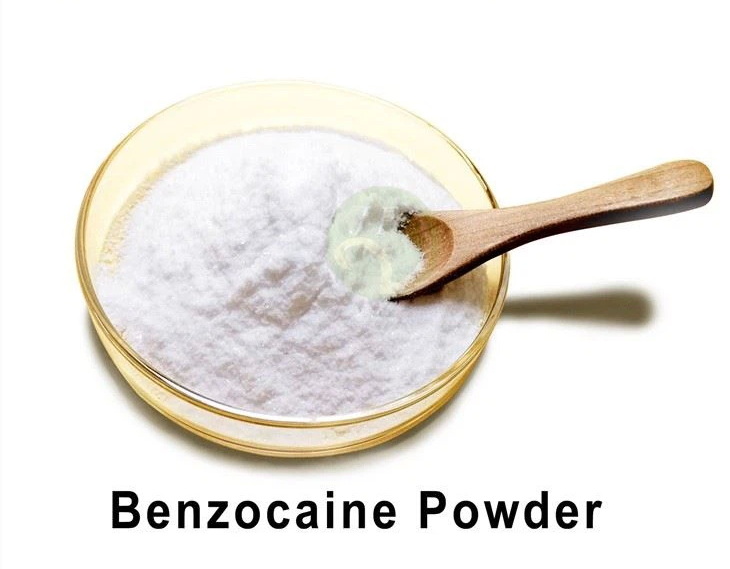
The primary raw materials include 4-nitrobenzoic acid or its precursor para-nitrotoluene, ethanol, concentrated sulfuric acid, and catalysts such as palladium on carbon with hydrogen gas for reduction. Neutralizers like sodium bicarbonate and solvents like deionized water are also necessary.
No. The synthesis involves hazardous chemicals, pressurized gases, and requires specialized industrial equipment and expertise. Unauthorized attempts risk serious accidents and legal issues.
Purity is ensured through high-performance liquid chromatography (HPLC), melting point determination, recrystallization procedures, and adherence to pharmacopeial standards.
Benzocaine is used in oral care products, topical anesthetics, ear drops, and various over-the-counter and prescription formulations for localized pain relief.
Yes. Our OEM services offer tailored specifications in particle size, purity, and packaging to meet diverse client requirements globally.