Content Menu
● Understanding Novocaine and Its Significance
● Starting Point: Benzocaine Synthesis
● Purification and Powder Preparation of Benzocaine
● Chemical Conversion: Synthesizing Novocaine from Benzocaine
● Quality Control and Pharmaceutical Standards
● Applications of Novocaine Powder in Medical Fields
● Environmental and Safety Considerations in Production
● Frequently Asked Questions (FAQs)
>> 1. What chemicals are used to make Novocaine powder?
>> 2. How is benzocaine purified before Novocaine synthesis?
>> 3. What particle size is typical for Novocaine powder?
>> 4. What safety precautions are necessary during manufacturing?
>> 5. What are the main applications of Novocaine powder?
Novocaine, chemically known as procaine, remains a staple local anesthetic widely used in dentistry and minor surgical procedures worldwide. Its smooth onset, effectiveness, and safety profile make it a preferred choice for temporary pain relief. The production of Novocaine powder involves a series of precise chemical synthesis steps beginning from benzocaine, followed by purification, chemical alteration, and strict quality control. This article offers a thorough guide on the manufacturing process of Novocaine powder, blending fundamental chemistry with industrial practices. It is designed to support factories like ours specializing in biotechnology, pharmaceutical, and medical device OEM supply services by providing detailed insights into every stage of Novocaine powder production.
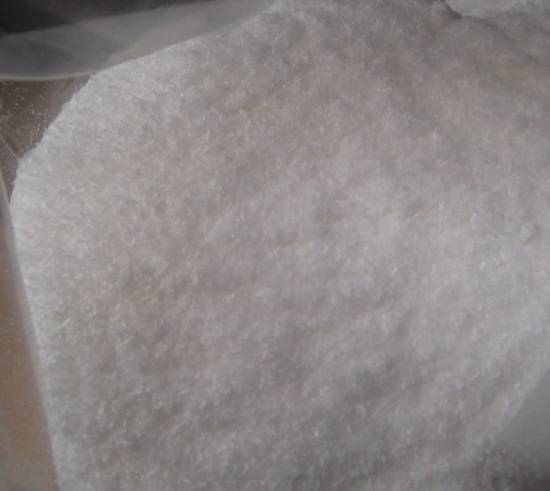
Novocaine is an ester-type anesthetic derived from para-aminobenzoic acid (PABA). Compared to benzocaine, Novocaine incorporates a diethylaminoethyl group, which significantly enhances its water solubility and anesthetic potency. These properties enable Novocaine powder to be effectively used in injectable preparations, topical anesthetics, and other medical formulations. The pharmaceutical industry demands high-purity Novocaine powders with consistent particle size and moisture content to guarantee efficacy and safety in final products.
To manufacture Novocaine, the process begins with synthesizing high-purity benzocaine, a close chemical relative. Benzocaine is prepared via the Fischer esterification of para-aminobenzoic acid (PABA) with ethanol:
- The reaction mixture includes PABA and ethanol, catalyzed by concentrated sulfuric acid.
- Controlled heating at 60–90°C for an hour drives the esterification, producing benzocaine and water as a by-product.
- Maintaining specific temperature and reaction times avoids unwanted side products.
- After completion, the mixture is neutralized to induce benzocaine precipitation.
Industrial versions of this step apply batch reactors or autoclaves under nitrogen or hydrogen atmospheres to optimize yield and purity.
For Novocaine manufacture, benzocaine must meet pharmaceutical-grade purity, requiring carefully controlled isolation and processing:
- Neutralization: The acidic mixture is treated with sodium carbonate or bicarbonate to reach a pH near 8, prompting benzocaine crystallization.
- Filtration and Washing: The precipitate is separated by vacuum filtration and washed to remove impurities.
- Drying: The crystals are dried under vacuum or in controlled ovens at 60–85°C to reduce moisture content below 1%.
- Milling and Sieving: The dried benzocaine is pulverized into a fine powder with particle sizes often under 50 microns (D90) using industrial mills and sieves.
- Recrystallization: Optionally, recrystallization in ethanol with additives such as dodecyl sodium sulfate helps achieve a more uniform crystal morphology and higher purity.
This meticulous purification is critical for preventing impurities that would interfere with subsequent synthesis and ensuring consistent final product quality.
The heart of Novocaine powder production is chemically converting benzocaine into procaine hydrochloride (Novocaine). This multistep synthesis involves several critical chemical reactions and purification stages:
- Formation of Acid Chloride Intermediate: Using reagents like p-nitrobenzoyl chloride, benzocaine derivatives are transformed into reactive acid chlorides under controlled low temperatures.
- Amination Reaction: Diethylaminoethanol is introduced to react with the acid chloride, creating an ester linkage characteristic of procaine. This step often requires refluxing at 100–110°C for 1–2 hours for complete reaction.
- Reduction of Nitro Group: In many routes, the nitro group is chemically reduced to an amine group via catalytic hydrogenation or reduction using stannous chloride (tin powder) and hydrochloric acid at temperatures between 35 and 40°C.
- Formation of Hydrochloride Salt: The resultant procaine base is converted into the hydrochloride salt to enhance water solubility and stability.
- Isolation and Drying: The Novocaine hydrochloride precipitates out, followed by filtration, washing, and drying to yield a fine, off-white powder.
Throughout these steps, vigilant temperature, pH, and reaction time control are imperative to maximize yield and prevent decomposition or side reactions.
Ensuring the final Novocaine powder meets pharmaceutical standards is non-negotiable:
- Purity Testing: High-performance liquid chromatography (HPLC) and gas chromatography–mass spectrometry (GC-MS) verify chemical purity and residual solvents.
- Particle Size Analysis: Laser diffraction instruments confirm the particle size distribution (target D90 = 40–50 microns) to optimize drug delivery performance.
- Moisture Content: Karl Fischer titration or loss-on-drying methods maintain moisture levels under 1% to prevent hydrolysis.
- Stability Checks: Accelerated aging tests evaluate chemical stability under various humidity and temperature conditions.
- Safety and Compliance: The entire manufacturing workflow complies with Good Manufacturing Practices (GMP), ISO certifications, and environmental safety standards.
Automated systems and in-process controls ensure batch-to-batch consistency, critical for meeting client specifications and regulatory requirements.
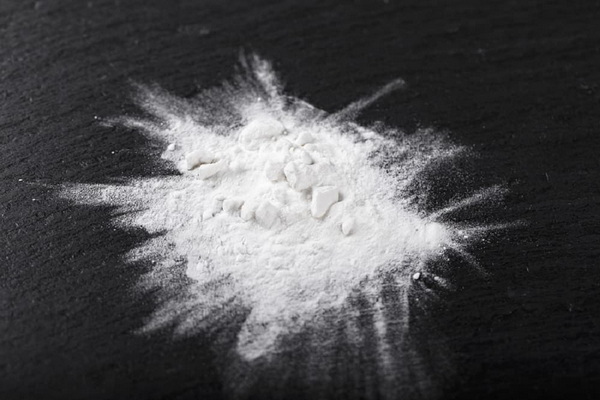
Novocaine powder is a versatile raw material used widely across the medical and pharmaceutical industries:
- Injectable Local Anesthetics: For dental and minor surgical procedures.
- Topical Anesthetic Formulations: Including creams, gels, sprays, and patches for localized pain relief.
- Medical Device Coatings: Providing anesthesia during minimally invasive interventions.
- Cosmetic and Over-the-Counter Products: Such as anti-itch creams and cold sore treatments.
Because of its widespread use, demand from pharmaceutical manufacturers, wholesalers, and private-label customers remains steady.
Manufacturing Novocaine powder generates chemical waste and involves hazardous substances requiring rigorous safety protocols:
- Waste Management: Acidic and organic wastes undergo neutralization and treatment before disposal.
- Worker Protection: Use of personal protective equipment (PPE), proper ventilation, and training minimize occupational hazards.
- Regulatory Compliance: Adherence to local and international regulations for chemical transport, storage, and environmental emissions.
- Green Chemistry Initiatives: Efforts to minimize solvent use, recycle catalysts, and reduce energy consumption improve sustainability.
Mastering the production of pharmaceutical-grade Novocaine powder entails an integrated approach combining chemical synthesis expertise, advanced purification techniques, precise particle engineering, and vigilant quality control. Starting from benzocaine, through a series of carefully controlled reactions and processing steps, Novocaine hydrochloride powder is attained, meeting stringent safety and efficacy standards. With continuous innovation and adherence to regulatory frameworks, manufacturers can confidently supply high-quality Novocaine to pharmaceutical brands and healthcare providers worldwide.
Our factory is dedicated to OEM production of benzocaine and Novocaine powders, leveraging advanced technologies to deliver consistent quality with customizable specifications. Clients are invited to reach out to discuss how our manufacturing solutions can fulfill their supply needs efficiently and reliably.
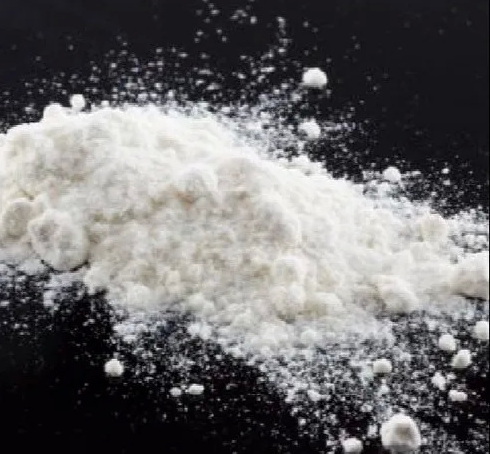
Novocaine is synthesized from benzocaine using chemical intermediates like p-nitrobenzoyl chloride, diethylaminoethanol, hydrochloric acid, stannous chloride (tin powder), and solvents such as ethanol and benzene under controlled conditions.
Benzocaine undergoes neutralization, crystallization, filtration, washing, drying, milling, sieving, and optional recrystallization with ethanol and additives (e.g., dodecyl sodium sulfate) to achieve pharmaceutical-grade purity and uniform particle size.
Pharmaceutical-grade Novocaine powder typically has a particle size distribution with a D90 below 50 microns to ensure consistent bioavailability and smooth formulation into injections and topical products.
Strict PPE usage, fume hoods, proper chemical storage, monitoring of reaction temperatures, and waste treatment are crucial due to hazardous reagents like thionyl chloride, hydrochloric acid, and reducing agents involved in synthesis.
Novocaine powder is widely used in local anesthetic injections in dentistry and surgery, topical pain relief creams and gels, medical device coatings, and cosmetic formulations.
[1](https://patents.google.com/patent/CN107501108A/en)
[2](https://www.youtube.com/watch?v=gliVYEVLuvQ)
[3](https://patents.google.com/patent/CN102070483B/en)
[4](https://www.nbinno.com/article/active-pharmaceutical-ingredients-apis/sourcing-high-quality-lidocaine-powder-a-manufacturers-perspective)
[5](https://www.youtube.com/watch?v=RiTN1EYB-rs)
[6](https://www.ceratapharmaceuticals.com/procaine-novocaine-hcl-api-powder-usp-9953056.html)
[7](https://www.cambridge.org/core/journals/powder-diffraction/article/ambienttemperature-powder-diffraction-data-for-benzocaine-hydrochloride-and-a-monoclinic-polymorph-of-benzocaine-base/FF9C076EEDF7E539962CD3048BEB13F0)
[8](https://www.nbinno.com/article/active-pharmaceutical-ingredients-apis/sourcing-high-quality-lidocaine-powder-pharmaceutical-guide)
[9](https://adcare.com/addiction-resources-center/cutting-agents-drug-manufacturing/)
Hot tags: Novocaine Powder Recipe, How to Synthesize Novocaine, Making Novocaine at Home, Novocaine Powder Preparation, Novocaine Synthesis Guide, DIY Novocaine Powder, Novocaine Chemical Synthesis, Procaine Powder Making, Novocaine Production Methods, Novocaine Powder Formulation