Content Menu
● Understanding Lidocaine Powder and Its Sensitivities
● Ideal Storage Conditions for Lidocaine Powder
● Handling Practices for Lidocaine Powder
● Quality Assurance and Regulatory Compliance
● Transport and Shipping Considerations
● Frequently Asked Questions (FAQ)
>> 1. What temperature should lidocaine powder be stored at?
>> 2. How should lidocaine powder be protected from moisture?
>> 3. What PPE is recommended when handling lidocaine powder?
>> 4. Can lidocaine powder be exposed to light during storage?
>> 5. What documentation is necessary for OEM lidocaine powder shipments?
Lidocaine is a widely used local anesthetic agent with anesthetic and antiarrhythmic properties. In its powder form, lidocaine is generally stable but remains sensitive to environmental factors such as moisture, temperature fluctuations, and light exposure. Improper storage can lead to chemical degradation, potency loss, or contamination, all of which compromise drug safety and performance.
Manufacturers should ensure the lidocaine powder they handle meets pharmaceutical-grade standards and that all storage and handling protocols are documented to meet regulatory compliance. Using high-quality raw materials and packaging enhances shelf life significantly.
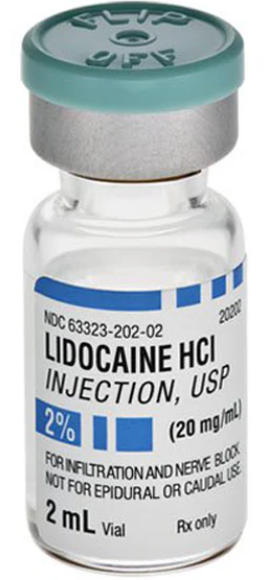
Maintaining appropriate environmental controls is fundamental for preserving lidocaine powder quality. Consider these critical factors:
- Temperature Control: Store lidocaine powder in a cool, dry place, ideally between 15°C to 30°C (59°F to 86°F). Avoid areas prone to temperature extremes, including direct sunlight or near heat sources, which accelerate degradation.
- Humidity Protection: Lidocaine powder is hygroscopic; moisture can cause clumping and chemical instability. Use air-tight, moisture-resistant containers or desiccant packs to keep humidity below 40% in storage areas.
- Light Exposure: Prolonged exposure to UV and visible light can decompose lidocaine. Utilize opaque or amber-colored containers to shield the powder from light.
- Packaging Integrity: Use high-quality, resealable containers with tamper-evident seals. For bulk volumes, double-bagging with moisture barrier films is recommended.
- Segregation: Store lidocaine powder separately from incompatible substances like oxidizers or strong acids to prevent chemical reactions.
Handling lidocaine powder demands strict adherence to safety and hygiene measures to protect personnel and product quality:
- Personal Protective Equipment (PPE): Always wear gloves, masks, and lab coats to prevent skin exposure and inhalation of powder, which can cause irritation or sensitization.
- Controlled Environment: Conduct weighing, mixing, and packaging in clean rooms or designated areas with proper ventilation and dust extraction systems.
- Minimize Exposure: Reduce the time the powder is exposed to air during transfers. Use tools like scoops or spatulas dedicated solely to lidocaine to avoid cross-contamination.
- Spill Management: Have spill kits ready and protocols in place. Clean spills promptly using wet methods to prevent dust dispersion.
- Disposal: Dispose of expired or contaminated powder per local hazardous waste regulations.
To provide reliable OEM services to international clients, maintaining detailed documentation and quality control is essential:
- Batch Records: Track each batch of lidocaine powder with production, storage, and handling logs.
- Stability Testing: Conduct regular stability tests under various conditions to confirm product shelf life.
- Certificates of Analysis (CoA): Issue updated CoAs with each shipment confirming purity, potency, and compliance with pharmacopeial standards.
- Audits and Inspections: Prepare for customer and regulatory audits by maintaining transparent storage and handling protocols.

When shipping lidocaine powder overseas:
- Use temperature-controlled and moisture-proof packaging materials.
- Label consignments clearly with handling instructions.
- Include relevant safety data sheets and certificates.
- Choose reliable carriers experienced in pharmaceutical logistics to ensure timely and safe delivery.
Proper storage and handling of lidocaine powder are paramount for preserving its safety, effectiveness, and regulatory status. By maintaining controlled temperature, humidity, and light exposure, and following rigorous handling protocols, OEM manufacturers can guarantee high-quality products for global pharmaceutical and medical clients. Investing in quality assurance and transparent documentation further strengthens trust and long-term partnerships with brands and wholesalers worldwide.
If your company is seeking a reliable lidocaine powder supplier with professional OEM services, do not hesitate to contact us for comprehensive support and customized solutions to meet your production needs. Contact us to know more!
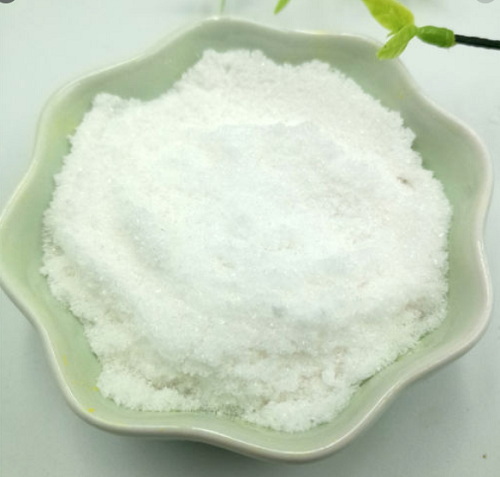
Lidocaine powder should be stored in a cool, dry place with temperatures ideally between 15°C and 30°C (59°F to 86°F) to maintain stability.
It should be stored in air-tight, moisture-resistant containers with desiccants to keep humidity levels below 40%, preventing clumping and degradation.
Wear gloves, masks, and lab coats to avoid skin contact and inhalation, protecting both the handler and product integrity.
No, exposure to UV or visible light can degrade lidocaine. Use opaque or amber containers to shield it from light.
Batch records, Certificates of Analysis, and stability test results must accompany shipments to ensure quality and regulatory compliance.
[1](https://hexiapharm.com/lidocaine-vial-storage-handling-administration-guidelines/)
[2](https://www.em-consulte.com/article/513841/drug-storage-and-stability)
[3](https://moehs.com/wp-content/uploads/2022/12/EN__LIDOCAINE-BASE000137-58-6_11152022.pdf)
[4](https://www.merck.com/docs/product/safety-data-sheets/ah-sds/Lidocaine%20Hydrochloride%20Formulation_AH_US_EN.pdf)
Hot tags: Lidocaine Powder Storage, Proper Handling of Lidocaine, Safe Storage Practices, Lidocaine Handling Tips, Medical Storage Guidelines, Anesthetic Powder Safety, Lidocaine Shelf Life, Professional Use of Lidocaine, Drug Storage Regulations, Handling Anesthetic Agents