Content Menu
● What is Benzocaine and Its Common Uses?
● Legal Status of Benzocaine Powder in Canada
>> Benzocaine is Legal but Regulated
>> Health Canada's Specific Regulatory Requirements
>> Restrictions for Children Under Two Years Old
● Safety Concerns: Understanding Methemoglobinemia and Benzocaine
● Market Availability of Benzocaine Powder in Canada
● Legal and Enforcement Considerations Around Benzocaine
● Compliance Guidance for Manufacturers and OEM Suppliers
● Frequently Asked Questions (FAQ)
>> 1. Is benzocaine powder allowed for sale in Canada?
>> 2. Can benzocaine products be used for infants or young children?
>> 3. What safety warnings are required on benzocaine product labels?
>> 4. Are there any bans on benzocaine powder in Canada?
>> 5. How can manufacturers ensure compliance with Canadian regulations for benzocaine?
Benzocaine powder, a widely used local anesthetic, plays a significant role in the pharmaceutical, medical, and dental fields. It is used to provide temporary pain relief for minor injuries, oral discomfort, and various medical procedures. For manufacturers, suppliers, and brands aiming to enter or expand into the Canadian market, understanding the legal and regulatory landscape regarding benzocaine powder is crucial. This article offers a detailed exploration of the legal status, safety considerations, and regulatory requirements for benzocaine powder in Canada. The discussion will provide insights for businesses involved in research, development, manufacturing, and sales of benzocaine-related products.
Benzocaine is a topical anesthetic that works by blocking nerve signals in the body, thus providing temporary numbness. It is commonly used in products such as gels, sprays, creams, powders, and lozenges. These products help relieve minor pain and discomfort caused by sore throats, mouth ulcers, minor burns, insect bites, and dental procedures. The powder form of benzocaine is often utilized as an ingredient in pharmaceutical compounding and various topical products. Its ease of application and quick onset make it popular in both consumer and clinical settings.
Despite its beneficial uses, benzocaine must be used with care due to potential safety risks, especially in vulnerable populations such as infants and young children.
Contrary to some misconceptions, benzocaine powder is not illegal in Canada. It falls outside the category of controlled or prohibited substances according to Canada's Controlled Drugs and Substances Act. Instead, benzocaine is legally allowed in over-the-counter (OTC) medicines and medical products for adults, provided these products comply with Health Canada's stringent regulatory requirements.
Health Canada oversees the regulation of benzocaine-containing products, ensuring that manufacturers adhere to labeling standards, safety assessments, and marketing restrictions. These measures help minimize health risks associated with benzocaine use.
Since 2012, Health Canada has imposed strict labeling requirements on benzocaine products marketed in Canada. These labels must carry warnings about the risk of methemoglobinemia, a rare but potentially fatal blood disorder linked to benzocaine use. The warning must inform consumers about symptoms and the importance of consulting healthcare professionals.
Products such as gels, creams, sprays, and powders are subject to these regulations. Health Canada routinely monitors the market to ensure products comply with these safety standards and has taken action to recall or restrict products that fail to meet the required guidelines.
One of the most critical regulatory updates came in 2018 when Health Canada ceased authorization for benzocaine-containing products intended for children under two years of age. This restriction arose from mounting evidence indicating that infants and very young children face the highest risk of developing methemoglobinemia from benzocaine use. Their inability to communicate symptoms effectively increases the risk of severe outcomes.
As a result, many benzocaine-containing teething gels and products have been voluntarily withdrawn from Canadian pharmacies and the market to protect this vulnerable population.
Methemoglobinemia (often abbreviated as MetHb) is a blood condition characterized by an abnormal amount of methemoglobin, a form of hemoglobin that is unable to carry oxygen effectively. Benzocaine can induce this condition by causing oxidative damage to hemoglobin molecules. When methemoglobin levels rise, the body's tissues receive less oxygen, leading to symptoms such as:
- Cyanosis (a blue or grayish color of the skin and lips)
- Shortness of breath
- Fatigue and headache
- Dizziness, confusion, or loss of consciousness in severe cases
Due to the seriousness of methemoglobinemia, regulatory bodies like Health Canada have issued clear advisories and warnings about benzocaine's use. Particularly, the use in children under two years is off-limits, and adult usage should strictly adhere to recommended dosages and conditions.
Healthcare professionals are encouraged to inform patients about these risks and monitor for any adverse reactions during treatment with benzocaine-containing products.
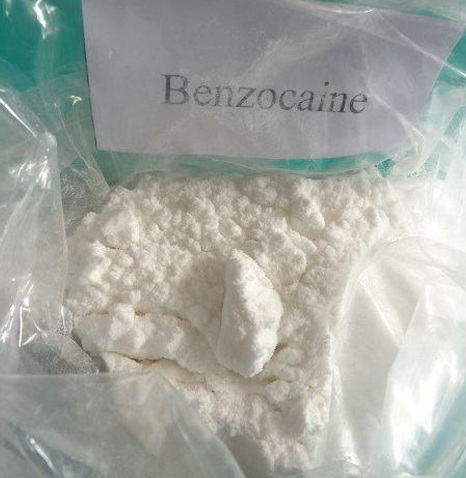
Despite the safety concerns and regulatory restrictions for infants, benzocaine powder remains available for adult use in Canada as part of legitimate medical and consumer products. Products available in the market include:
- Topical anesthetic gels for mouth ulcers or minor oral procedures
- Spray forms for throat pain relief or minor skin numbing
- Powder formulations used in compounded pharmaceutical products or specialized treatments
All these products must comply with Health Canada's labeling and packaging rules. The label information should clearly highlight appropriate uses and safety warnings to inform consumers of potential health issues.
In contrast, many infant teething products containing benzocaine have been removed from the market or reformulated to exclude benzocaine to comply with national safety standards.
Though benzocaine is legal for medical and consumer use, Canadian law enforcement agencies monitor its possible illegal diversion. Due to its anesthetic properties, benzocaine has been found as an adulterant in illicit drug markets—used as a cutting agent to dilute illicit drugs like cocaine.
Such use is illegal, and the supply or distribution of benzocaine for unlawful purposes violates Canadian narcotics laws. Businesses involved in legitimate manufacturing and supply must maintain transparent operations and ensure their products do not enter illegal drug channels.
For companies involved in the supply of benzocaine powders, especially those serving foreign brands through OEM manufacturing, compliance with Canadian regulations is critical. Key steps include:
- Labeling: Ensure all benzocaine products have updated, compliant warning labels meeting Health Canada requirements about methemoglobinemia risks.
- Marketing Restrictions: Avoid promoting benzocaine-containing products for children under two years.
- Regulatory Documentation: Keep clear records and documentation to facilitate product approval and customs clearance in Canada.
- Quality Control: Implement thorough testing and quality assurance processes to ensure product safety and regulatory compliance.
- Stay Informed: Regularly review Health Canada announcements and legal updates to adapt to any changes in regulations or market conditions.
By following these guidelines, manufacturers and suppliers can reduce risks and position themselves as trusted partners for Canadian and international customers.
Benzocaine powder is indeed legal in Canada but is subject to strict regulatory oversight primarily focused on consumer safety. It is permitted for use in adult OTC medicines and medical devices with mandatory warning labels to mitigate the risks of methemoglobinemia. However, benzocaine-containing products are no longer authorized for use in children under two years of age, reflecting heightened safety concerns for this population.
Organizations involved in the manufacture and supply of benzocaine products need to navigate Health Canada's regulatory landscape carefully, ensuring products meet labeling, marketing, and safety requirements. Compliance not only protects consumers but also facilitates successful market access and long-term business sustainability in Canada. Contact us to know more.
Yes, benzocaine powder is legal and allowed for use in many OTC and medical products for adults in Canada, subject to regulatory safety and labeling requirements enforced by Health Canada.
No, benzocaine-containing products are prohibited for children under two years due to the risk of methemoglobinemia. Parents should avoid these products for infants and seek alternative treatments.
Labels must include warnings about the risk of methemoglobinemia, instructions to avoid use in young children, and recommendations to seek medical attention if adverse symptoms occur.
There is no general ban on benzocaine powder for adult use, but infant teething gels with benzocaine have been voluntarily removed or restricted from the market for safety concerns.
Manufacturers should comply with Health Canada's labeling guidelines, restrict marketing for under-twos, maintain quality control practices, submit proper documentation, and monitor regulatory updates regularly.
[1](https://www.cbc.ca/news/health/teething-gel-infant-1.5435608)
[2](https://recalls-rappels.canada.ca/en/alert-recall/benzocaine-containing-products-and-risk-methemoglobinemia-children-under-two-years-age)
[3](https://rcmp.ca/en/drugs/substances-controlled-and-illegal)
[4](https://www.bbc.com/news/uk-10909884)
[5](https://www.canada.ca/en/news/archive/2006/11/health-canada-advises-canadians-health-risks-involved-using-benzocaine.html)
[6](https://laws-lois.justice.gc.ca/eng/regulations/C.R.C.,_c._870/page-48.html)
[7](https://laws-lois.justice.gc.ca/eng/acts/c-38.8/page-9.html)
[8](https://www.mayoclinic.org/drugs-supplements/benzocaine-oral-route-oromucosal-route/description/drg-20072824)
Hot tags: Benzocaine Legality Canada, Canadian Drug Regulations, Benzocaine Import Rules, Health Canada Guidelines, Legal Status Benzocaine, Benzocaine Products Canada, Benzocaine Restrictions, Benzocaine for Sale Canada, Canadian Pharmacy Benzocaine, Benzocaine Safety Warnings