Content Menu
● What is Lidocaine Hydrochloride (Lidocaine HCL)?
● Chemical Differences Between Lidocaine and Lidocaine HCL
● How Do They Work in the Body?
● Pharmaceutical Formulation Considerations
● Manufacturing and OEM Supply
● Frequently Asked Questions (FAQ)
>> 1. What is the main difference between Lidocaine and Lidocaine Hydrochloride?
>> 2. Can Lidocaine free base be used for injections?
>> 3. Which form acts faster to numb pain?
>> 4. Are there differences in side effects between the two forms?
>> 5. Does your factory provide custom Lidocaine HCL formulations?
Lidocaine is a widely utilized local anesthetic known for its fast and effective numbing properties. In medical, pharmaceutical, and industrial settings, two chemical forms are commonly referenced: Lidocaine and Lidocaine Hydrochloride (HCL). While these terms are often used interchangeably, the two have distinct chemical structures, solubilities, and applications, which influence their effectiveness and usage in various formulations.
This article provides a comprehensive overview of Lidocaine and Lidocaine Hydrochloride, delving into their chemical differences, clinical applications, and manufacturing considerations. The goal is to clarify misconceptions for healthcare providers, pharmaceutical manufacturers, and brand owners, especially those seeking OEM services from manufacturers like those at supplybenzocaine.co.uk.
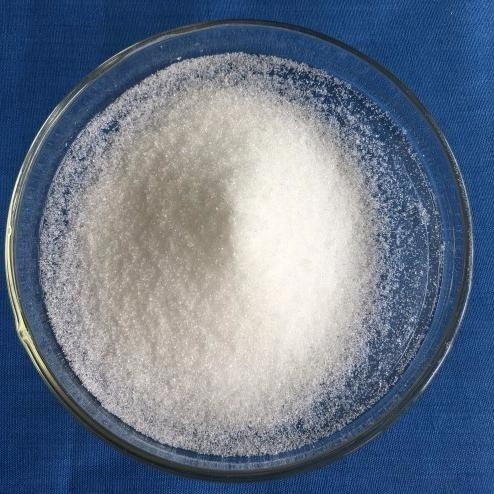
Lidocaine, sometimes called lignocaine, belongs to the amide group of local anesthetics. It works primarily by blocking voltage-gated sodium channels in nerve membranes, which interrupts the propagation of nerve impulses responsible for pain sensation. This mechanism allows it to effectively numb a targeted area for various procedures, ranging from dental work to minor surgery.
Lidocaine typically refers to the free base form, which is the neutral, non-ionized molecule. This form appears as a light-yellow oily liquid or solid powder and is:
- Insoluble in water
- Soluble in alcohol and oils
Due to its poor water solubility, free base lidocaine is rarely used alone in injectable or aqueous formulations. Instead, it is often incorporated in specific topical or anhydrous formulations where its properties are advantageous.
Lidocaine Hydrochloride (often denoted as Lidocaine HCL) is the hydrochloride salt of Lidocaine. The addition of hydrochloric acid converts the free base into a salt form, which profoundly changes its physical and chemical properties.
Lidocaine Hydrochloride is:
- A white crystalline powder
- Highly soluble in water
- Acidic when dissolved in aqueous solution (pH typically around 4-5)
- The preferred form for injections, topical gels, sprays, and oral solutions
The water solubility of Lidocaine HCL makes it the standard chemical form in pharmaceutical preparations. It facilitates faster absorption and onset of anesthesia due to better dissolution in bodily fluids.
The primary difference lies in ionization and solubility:
- Lidocaine Free Base: Non-ionized, water-insoluble, molecular weight approximately 234.34 g/mol.
- Lidocaine Hydrochloride: Ionized salt form, water-soluble, molecular weight approximately 288.82 g/mol (due to addition of hydrochloride and water of hydration).
The ionized form exists predominantly at physiological pH, aiding rapid absorption and effective nerve block. The free base form penetrates lipid membranes more readily but is hindered by its low water solubility.
Both forms block pain by inhibiting sodium influx in nerve cells, but their pharmacodynamics differ slightly due to ionization:
- The ionized form (Lidocaine HCL) binds more readily to sodium channels in activated, depolarized nerve cells — common in acute pain. This “state-dependent blockade” means Lidocaine HCL often has a faster onset in painful or inflamed tissues.
- The non-ionized free base penetrates the nerve cell membrane better, which is crucial for pre-emptive anesthesia when the nerve is at rest (non-painful conditions).
This distinction illustrates why Lidocaine HCL is generally favored clinically for injections and topical anesthetics where quick, reliable onset is needed.
Lidocaine HCL is the dominant form in most pharmaceutical products:
- Injectable solutions (1%, 2%, 4% concentrations)
- Topical gels, sprays, creams (for procedures or pain relief)
- Oral rinses for mucosal anesthesia
- Transdermal patches for long-lasting pain relief
It can be combined with vasoconstrictors such as epinephrine to prolong the anesthetic effect and reduce bleeding during procedures.
Lidocaine free base is used mainly for:
- Lip balms
- Some topical creams or ointments without water
- Situations where slower release or penetration through intact skin is desired
It is rarely used in injections due to solubility issues.
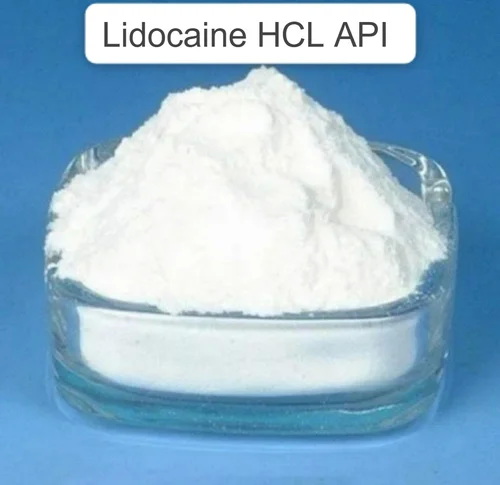
The salt form enables creating isotonic solutions that are stable and convenient for injection or topical application. Its acid dissociation constant (pKa) around 7.8 affects its ionization state at different pH values, influencing formulation design.
For topical anesthesia, enhancing penetration with techniques like skin "stripping" (removal of dead skin layers) increases effectiveness by allowing better drug absorption. Occlusion after application can further speed onset.
Preparation of Lidocaine HCL solutions must consider factors like:
- Concentration suitable for intended use (e.g. dental anesthesia typically uses 2% lidocaine with epinephrine 1:100,000)
- Stability in storage and shelf-life
- Minimization of impurities and irritants
Both forms share similar safety profiles, with common side effects including localized redness, irritation, or transient numbness beyond target areas.
However, overdosing or accidental intravenous injection can cause serious adverse effects:
- Central nervous system toxicity (dizziness, seizures)
- Cardiovascular complications (hypotension, arrhythmias)
- Allergic reactions (rare but possible)
Lidocaine HCL's controlled water solubility makes dosing more predictable and safer in clinical use.
At SupplyBenzocaine.co.uk, manufacturing expertise focuses on high-quality Lidocaine Hydrochloride compliant with international pharmaceutical standards. Key OEM advantages include:
- Strict quality control with batch testing
- Customizable concentrations and formulations
- Regulatory compliance for export
- Support for product development in medical and healthcare fields
Our factory serves brands, wholesalers, and manufacturers in pharmaceuticals, medical devices, and health care products worldwide.
In conclusion, while Lidocaine and Lidocaine Hydrochloride share the same active anesthetic ingredient, they are different chemical forms with distinct properties. Lidocaine HCL is the water-soluble salt form widely preferred in medical practice due to its rapid action, ease of formulation, and safety profile. Free base lidocaine, being water-insoluble, is mainly used in specialized topical formulations.
Choosing the appropriate form depends on the intended application, whether fast-acting injection or topical anesthesia. As a professional OEM supplier in China, SupplyBenzocaine.co.uk offers premium Lidocaine HCL products and expert formulation services, ensuring reliable quality for international customers.
Contact us today to discuss your specific requirements and how we can support your product development needs with our dedicated OEM solutions.
Lidocaine is the free base, non-ionized form, insoluble in water; Lidocaine Hydrochloride is the water-soluble salt form used in injections and topical solutions.
No, free base lidocaine is poorly soluble in water and not suitable for injections; Lidocaine HCL is preferred for such uses.
Lidocaine Hydrochloride acts faster due to its ionized form, which binds quickly to sodium channels in active nerves.
They share similar side effects, but Lidocaine HCL's water solubility allows for safer, controlled dosing.
Yes, SupplyBenzocaine.co.uk offers customizable OEM services for Lidocaine HCL to meet specific client needs.
[1](https://www.chemicalbook.com/article/what-is-the-difference-between-lidocaine-and-lidocaine-hydrochloride.htm)
[2](https://www.pccarx.com/Blog/lidocaine-vs-lidocaine-hci3)
[3](https://www.sciencedirect.com/science/article/pii/S2405844024115642)
[4](https://jdapm.org/DOIx.php?id=10.17245%2Fjdapm.2020.20.4.233)
[5](https://pmc.ncbi.nlm.nih.gov/articles/PMC6050998/)
[6](https://pmc.ncbi.nlm.nih.gov/articles/PMC5457851/)
[7](https://www.drugs.com/compare/lidocaine-vs-lidocaine-viscous)
Hot tags: Lidocaine vs Lidocaine HCL, Lidocaine Hydrochloride Explained, Difference Between Lidocaine Forms, Lidocaine HCL Properties, Lidocaine Chemical Structure, Lidocaine HCL Uses, Lidocaine HCL vs Free Base, Lidocaine Types, Lidocaine HCL Information, Lidocaine Classification