Content Menu
● Understanding Benzocaine and Its Applications
● Importance of Quality Assurance in Benzocaine Products
● Key Quality Standards for Benzocaine
● What to Look for in Chinese Benzocaine Suppliers
>> Factory Audit and Certifications
>> Raw Material Sourcing and Traceability
>> Quality Control and Testing Capabilities
>> Packaging and Storage Conditions
>> Production Capacity and Lead Times
● Common Quality Issues and How to Detect Them
● How to Perform Quality Inspections on Benzocaine Batches
● Benefits of Partnering with an Experienced Chinese Supplier
● Frequently Asked Questions (FAQs)
>> 1. What certifications should a benzocaine supplier have?
>> 2. How is benzocaine purity tested?
>> 3. Can benzocaine suppliers customize packaging?
>> 4. What are common contaminants in benzocaine?
>> 5. How can I verify the quality of benzocaine from a new supplier?
Benzocaine is a widely used local anesthetic in pharmaceutical, personal care, and medical device industries. Ensuring the highest quality of benzocaine products is crucial for safety, efficacy, and regulatory compliance. For international brands, wholesalers, and manufacturers sourcing from Chinese suppliers, understanding quality assurance standards is essential to avoid costly issues and build reliable supply chains.
This comprehensive article explores key aspects of quality assurance for benzocaine products, best practices when evaluating Chinese suppliers, and how to ensure you receive premium materials backed by robust testing, certifications, and manufacturing controls.
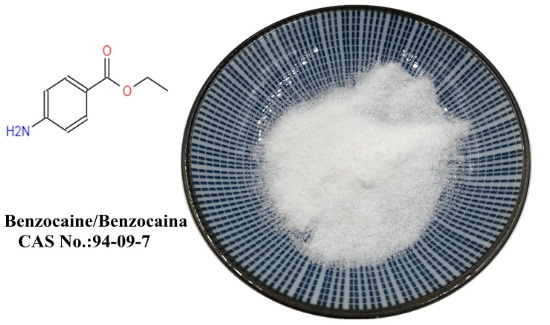
Benzocaine is an ester local anesthetic commonly used to relieve pain and itching in topical preparations, including creams, gels, sprays, lozenges, and medical devices such as wound dressings. Its applications span varied industries:
- Pharmaceutical formulations, particularly topical anesthetics
- Over-the-counter products like throat sprays and oral gels
- Medical devices with anesthetic surfaces, including wound care products
- Cosmetics and personal care products requiring localized numbness
Benzocaine's effectiveness and safety make it a staple ingredient requiring consistent quality and purity. Whether incorporated in consumer health products or specialized medical supplies, benzocaine's production demands strict adherence to quality standards to avoid adverse effects caused by impurities or inconsistent dosage.
Quality assurance (QA) involves systematic measures to guarantee that benzocaine products meet design specifications, safety regulations, and pharmaceutical standards. Key components of QA include raw material inspection, controlled manufacturing processes, impurity monitoring, comprehensive testing, and proper packaging and storage.
QA is not just a regulatory formality but a fundamental approach to ensuring consumer safety, product efficacy, and brand protection. Without rigorous QA, benzocaine products risk contamination, inconsistent performance, and regulatory non-compliance, which can lead to product recalls, legal consequences, and damage to market reputation.
In an industry where even minor deviations in purity or contamination can have serious consequences, QA processes act as vital safeguards throughout production and supply.
International benchmarks set by pharmacopoeias and regulatory bodies provide clear quality requirements for benzocaine products:
- Purity: The active pharmaceutical ingredient (API) benzocaine should have a purity exceeding 99%, ensuring potency and absence of harmful by-products.
- Impurity Levels: Benzocaine must comply with impurity limits defined by USP (United States Pharmacopeia), EP (European Pharmacopeia), or JP (Japanese Pharmacopeia). These limits control related chemical substances from synthesis or degradation.
- Heavy Metal Residues: Trace elements such as lead, mercury, or arsenic must remain below set thresholds to prevent toxic exposure.
- Residual Solvents: Solvents used during benzocaine synthesis, like methanol or acetone, must be minimized and maintained within acceptable limits.
- Moisture Content: Excess moisture can lead to degradation or reduced shelf life, so moisture content is tightly monitored.
Suppliers that operate under Good Manufacturing Practices (GMP) and hold ISO 9001 quality certification demonstrate adherence to these critical quality factors, assuring customers of consistent and compliant production.
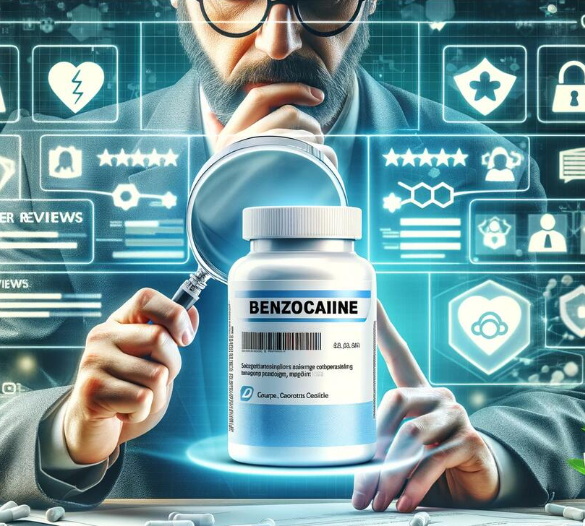
When sourcing benzocaine from Chinese suppliers, evaluating their manufacturing quality and process transparency is crucial. The following criteria provide a basis for thorough assessment:
- Validate the supplier's GMP certificate issued by credible authorities.
- Confirm ISO 9001 or equivalent quality management certifications.
- Conduct on-site or third-party factory inspections to review equipment, cleanliness, and production environment.
- Assess environmental and occupational safety measures.
These checks ensure that the supplier follows internationally recognized protocols and maintains a manufacturing environment suitable for pharmaceutical-grade products.
- Investigate the origin of raw materials used for benzocaine synthesis.
- Ensure the supplier maintains full batch traceability and records for all inputs.
- Request Certificates of Analysis (CoA) not only for finished products but also raw materials.
Traceability is essential for quickly addressing quality issues and verifying compliance throughout the supply chain.
- Confirm the supplier's in-house laboratory is equipped with advanced analytical instruments like HPLC, GC-MS, UV spectrometry, and FTIR spectroscopy.
- Request examples of batch testing reports and retention samples to ensure consistency.
- Check frequency and scope of quality tests for each production lot.
Comprehensive and regular testing creates accountability and reduces risk of substandard products entering the market.
- Supplier packaging must protect benzocaine from moisture, contamination, and degradation.
- Stable, airtight, and moisture-proof packaging is preferred, with proper seals and labeling.
- Storage facilities should maintain controlled temperature and humidity levels.
Proper packaging and storage are essential to maintain product integrity during transportation and storage, especially for sensitive pharmaceutical ingredients.
- Evaluate whether the supplier's manufacturing scale matches your order volumes without compromising quality.
- Confirm transparent delivery schedules and responsiveness to urgent requirements.
- OEM suppliers who can adapt formulations and packaging to customer needs provide competitive advantages.
Reliable production capacity ensures your supply chain remains uninterrupted during peak demand or market fluctuations.
Awareness of typical benzocaine quality problems allows buyers to identify red flags during inspections:
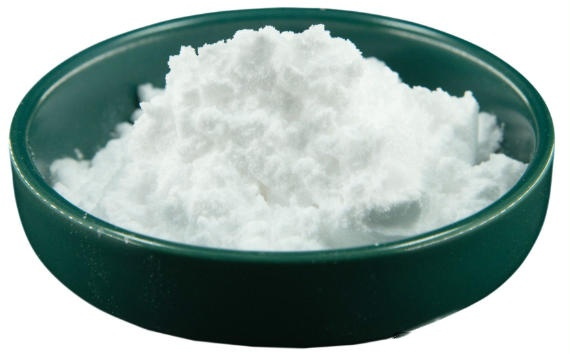
- Color Variations: Pure benzocaine is a fine white crystalline powder; any yellowing or discoloration could indicate impurities or degradation.
- Odor: Benzocaine usually has minimal odor; strong chemical or solvent smells suggest contamination.
- Solubility: Impurities may alter benzocaine's solubility profile in standard solvents; conducting solubility tests can reveal abnormalities.
- Particle Size Distribution: Uniform granule size affects formulation performance; suppliers should control this parameter to meet customer specifications.
Being familiar with these issues supports more accurate product evaluation during sample testing or factory visits.
For international buyers, employing quality inspections is a necessary step to verify supplier claims:
- Arrange third-party or in-house inspectors to sample production batches onsite.
- Cross-verify the supplier's Certificates of Analysis with physical test results.
- Perform visual inspection to assess color uniformity, powder flow, and packaging integrity.
- Test critical quality parameters such as purity, moisture content, residual solvents, and heavy metals through authorized analytical laboratories.
Regular inspections, alongside supplier audits, build confidence in the supply chain and avoid costly surprises.
Collaborating with an established Chinese OEM manufacturer brings valuable advantages:
- Years of specialized experience in biotech and pharmaceutical-grade benzocaine manufacturing.
- High automation and quality control systems reducing human error and ensuring batch consistency.
- Tailored OEM services, including customized formulations and flexible packaging options.
- Comprehensive quality assurance from raw material procurement to final product inspection.
Such partnerships enhance supply reliability, regulatory compliance, and end-product performance.
Selecting a high-quality benzocaine supplier from China requires thorough evaluation of factory certifications, raw material traceability, testing capabilities, packaging standards, and production capacity. Quality assurance is a critical component in safeguarding product safety, efficacy, and regulatory compliance. Partnering with an experienced and certified OEM manufacturer ensures consistent, compliant benzocaine supply that meets international pharma and medical standards.
If you are looking for a trusted Chinese benzocaine OEM partner with stringent quality controls and flexible customization, contact us today to discuss your sourcing needs and discover tailored solutions to boost your product portfolio.
A reputable benzocaine supplier must hold GMP certification and ISO 9001 quality management certification. They should also comply with pharmacopeial standards such as USP or EP to ensure product safety and quality.
Purity is rigorously tested using high-performance liquid chromatography (HPLC) and gas chromatography-mass spectrometry (GC-MS), with typical purity levels required to be above 99%.
Most reputable suppliers offer customizable packaging options including different container sizes, moisture-proof packaging, and customer-specific labeling to meet regulatory and market demands.
Contaminants commonly found in benzocaine include residual solvents from synthesis, heavy metals like lead or mercury, and synthesis-related impurities. These must be kept within pharmacopeial limits.
Verification methods include conducting factory audits, requesting detailed Certificates of Analysis (CoA) for multiple batches, engaging independent third-party labs for testing, and inspecting storage and packaging quality during visits.
Hot tags: Quality Assurance, Benzocaine Products, Chinese Suppliers, Supplier Verification, Quality Control Standards, Pharmaceutical Quality Assurance, Benzocaine Sourcing, Importing Benzocaine, Chemical Quality Testing, Benzocaine Manufacturing Standards