Content Menu
>> Local Anesthetic for Medical Procedures
>> Pain Management and Anti-Inflammatory Effects
● Pharmacokinetics and Metabolism
● Side Effects and Safety Profile
● Where to Buy Procaine in the UK
● OEM Manufacturing and Sourcing from China
● Regulations and Quality Assurance
● Suggested Multimedia Content to Enhance Understanding
>> 1. What is procaine used for?
>> 2. Is procaine safe to use?
>> 3. Can I buy procaine without a prescription in the UK?
>> 4. How is procaine administered?
>> 5. Where can I find reliable procaine manufacturers?
Procaine, a well-established local anesthetic, has been widely used in medical and dental procedures since its discovery in 1905. Beyond its prominent role in numbing tissues for pain-free interventions, procaine offers a range of therapeutic benefits, including pain alleviation, anti-inflammatory effects, and emerging applications in mental health treatment. This article dives deep into understanding procaine's mechanisms, therapeutic uses, benefits, and how to procure it safely in the UK. Additionally, it highlights top manufacturing and OEM sourcing options from China, perfect for international brands and wholesalers seeking high-quality products.
Procaine is an FDA-approved local anesthetic widely known under trade names like Novocain. It functions by inhibiting sodium ion channels in nerve cells, blocking nerve signal transmission, and thus preventing the sensation of pain in targeted areas during medical procedures. Unlike other anesthetics, procaine is metabolized quickly by plasma enzymes into para-aminobenzoic acid (PABA), promoting faster decay and fewer toxic effects.
Procaine works by blocking voltage-gated sodium channels on peripheral nerve membranes, halting the influx of sodium ions necessary for nerve impulse propagation. This results in the loss of sensation in the applied area. Its rapid breakdown in plasma reduces systemic toxicity, making it a safer alternative for local anesthesia.
Moreover, procaine demonstrates additional pharmacological effects, including antagonizing NMDA receptors, nicotinic acetylcholine receptors, and serotonin receptor-ion channel complexes, which contribute to its benefits in pain reduction and even mental health modulation.
Procaine's primary use is as a local anesthetic during surgeries and dental treatments to numb tissues, minimize pain, and reduce discomfort for patients. It is especially favored in dental care to provide effective anesthesia with less systemic side effect risk compared to other agents.
Recent studies and clinical practice have expanded procaine's use to manage chronic inflammation and pain through intravenous infusions that affect systemic nerves and inflammatory pathways. These therapies not only reduce pain but may help modulate immune responses, providing relief to patients with inflammatory conditions such as arthritis or neuropathic pain.
Procaine IV infusions are gaining popularity for mental health support, especially concerning anxiety, depression, and post-traumatic stress disorder (PTSD). It acts by calming overactive nervous system responses, resetting nerve excitability, and influencing neurotransmitter systems associated with mood regulation. This emerging use reflects a broader recognition of procaine's potential beyond traditional anesthesia.
Though some traditional uses have included attempts to treat dementia, arthritis, and vascular issues, current clinical evidence remains insufficient for routine use in these areas. However, ongoing research continues to explore procaine's impact on cellular aging, circulation improvement, and tissue regeneration, particularly in alternative medicine circles.
- Effective Local Anesthesia: Provides numbness for painless minor surgeries and dental work.
- Rapid Onset and Breakdown: Fast metabolism reduces side effects and toxicity risks.
- Pain Relief: Useful for both acute procedural and chronic pain through systemic infusions.
- Anti-Inflammatory Actions: Helps reduce inflammation-driven discomfort and systemic inflammation.
- Mental Health Support: Emerging evidence suggests anxiety and depression management through nerve calming.
- Low Toxicity: Considered to be among the least toxic local anesthetics.
- Vasoconstriction: Unlike lidocaine, procaine constricts blood vessels, reducing bleeding during procedures.
- Promotes Tissue Healing: Anecdotal reports and some studies suggest procaine may stimulate local blood flow and tissue repair.
- Versatile Formulations: Available in injectable solutions, topical forms, and compounded powders allowing various clinical applications.
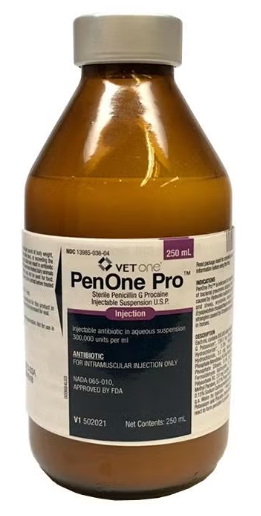
Procaine is offered in several formulations tailored to different medical needs:
- Injectable solutions: These are the most common forms used in clinical and dental settings for localized anesthesia. They allow precise dosing and rapid effect.
- Tablets and pills: These are less common and generally experimental, often used in alternative therapy contexts.
- Topical applications: Creams or ointments containing procaine may be utilized for minor surface-level numbing or combined with other agents.
- Powders and granules: Used in pharmaceutical compounding or manufacturing for bulk production of injectable or topical forms.
The variety of formats allows healthcare professionals and manufacturers to adapt procaine's benefits in multiple ways.
Procaine is rapidly hydrolyzed by plasma cholinesterases into para-aminobenzoic acid (PABA), which is further metabolized and excreted in urine. This quick metabolism contributes to its short duration of action, typically lasting 30 to 60 minutes when used as a local anesthetic.
Because procaine has a short half-life, it is less likely to accumulate in the body, reducing the risk of systemic toxicity. However, patients with atypical plasma cholinesterase activity may experience prolonged effects or sensitivity, a consideration for clinicians.
Generally, procaine is well tolerated, but side effects can occur, especially if administered improperly or in sensitive individuals. Common side effects include mild allergic reactions, localized bruising or swelling, and in rare cases, systemic allergic responses.
Procaine's metabolites, particularly PABA, can cause hypersensitivity reactions in some patients, leading to dermatitis or asthma exacerbation. Thus, it is vital to perform allergy testing or thorough history assessments before use.
Careful dosing and sterile technique minimize risks such as systemic toxicity, nerve damage, or infection. Consultation with medical professionals ensures procaine is used safely.
Procaine hydrochloride and related formulations can be purchased online or through pharmaceutical suppliers in the UK. For clinical or research purposes, sites like HomeoForce and Apollo Scientific offer various pack sizes ranging from 500mg powders to injection solutions.
- Procaine hydrochloride powder and injectable forms are available with proper prescription controls.
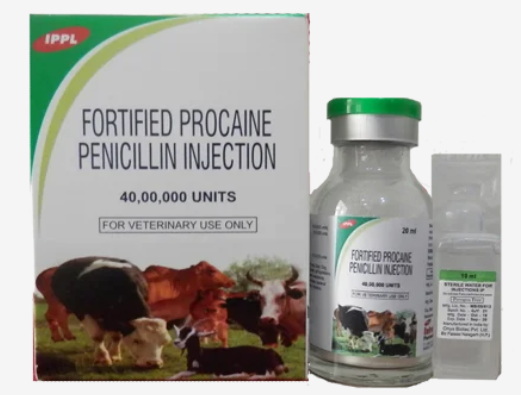
- Veterinary versions like Pronestesic are also obtainable via licensed veterinary providers.
- It is crucial to purchase from certified suppliers ensuring GMP-certified, FDA-approved products to guarantee quality and safety.
- Buyers should verify the supplier's credentials and ensure regulatory compliance with UK Medicines and Healthcare products Regulatory Agency (MHRA) requirements.
For international brands and wholesalers, sourcing procaine from reputable Chinese factories offers competitive pricing and assured quality. Several verified manufacturers provide OEM and ODM services for procaine hydrochloride and related pharmaceutical products.
Notable suppliers include:
- Guangzhou Hengkai Chemical Co., Ltd.
- Hebei Veyong Pharmaceutical Co., Ltd.
- Xi'an Frazer Biotech Co., Ltd.
- Shijiazhuang Shimu Pharmaceutical Co., Ltd.
These factories are known for GMP certifications and can supply bulk quantities with certifications such as EP, USP, and BP standards. They offer flexible packaging, quality testing reports, and customization options suitable for international brand requirements.
Choosing a reliable Chinese OEM ensures access to advanced production technologies, cost-effectiveness, and consistent supply chain management, advantageous for expanding overseas pharmaceutical product lines.
In the UK, procaine-related products must comply with stringent quality and safety regulations overseen by MHRA. Importers and sellers need to ensure that products hold relevant licenses, certificates of analysis, and quality control documentation.
Certified Chinese manufacturers typically provide GMP certificates, COAs, and batch traceability, aligning with international pharmaceutical standards. Partnering with such manufacturers reduces compliance risks and supports regulatory submissions.
Incorporating multimedia enhances reader comprehension and engagement. Recommended additions for this article include:
- Animated videos showing how procaine blocks nerve signals
- Infographics outlining procaine's molecular structure and metabolic pathways
- Interviews with healthcare professionals explaining clinical uses
- Factory virtual tours demonstrating GMP manufacturing processes
- Patient testimonials discussing pain relief and mental health benefits from procaine infusions
These visuals help explain complex biochemical and clinical concepts accessibly.
Procaine remains a versatile pharmaceutical agent with both traditional and expanding applications. Its established role as a local anesthetic is complemented by promising uses in systemic pain and inflammation management, as well as mental health. Those seeking high-quality procaine in the UK can rely on certified pharmaceutical suppliers or consider OEM partnerships with reputable Chinese manufacturers for bulk procurement. For foreign brands and wholesalers, this presents an opportunity to access competitively priced, GMP-certified procaine products backed by advanced R&D and manufacturing capabilities.
If interested in premium OEM procaine supply or want expert consultation on integrating procaine products into your portfolio, please contact us today. Our dedicated team is ready to assist with sourcing, customization, and compliance, ensuring your brand's success in the pharmaceutical and healthcare marketplace.
Procaine is primarily used as a local anesthetic during medical and dental procedures to numb tissues and prevent pain. It also has applications in pain management and mental health therapies.
Yes, when used properly under medical supervision, procaine is considered safe. It has a lower toxicity compared to some other local anesthetics due to rapid metabolism in the body.
Procaine is a prescription medication in the UK. It requires authorization from a healthcare provider or licensed veterinary surgeon depending on its intended use.
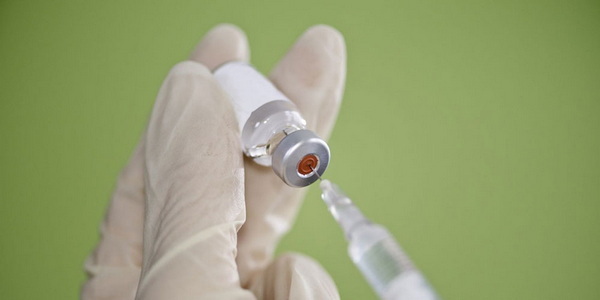
Procaine is mainly administered via injection, either locally for anesthetic purposes or intravenously in some pain and mental health treatments. It is also available in oral and topical forms, but these are less common.
Reputable procaine manufacturers with OEM services include several certified Chinese pharmaceutical companies such as Guangzhou Hengkai Chemical and Hebei Veyong Pharmaceutical. For UK supply, certified pharmaceutical distributors offer quality products with proper regulatory approval.
Hot tags: Procaine Uses, Procaine Benefits, Buy Procaine UK, Procaine Hydrochloride, Procaine Injection, Procaine Side Effects, Procaine Suppliers UK, Procaine Therapy, Procaine for Pain Relief, Procaine Online Purchase