Content Menu
● Chemical and Physical Properties of Benzocaine Hydrochloride Powder
● Mechanism of Action: How Benzocaine Hydrochloride Works
● Applications and Uses of Benzocaine Hydrochloride Powder
● Pharmaceutical Formulations and Production
● Safety, Handling, and Regulatory Considerations
● FAQ
>> 1. What is the difference between benzocaine and benzocaine hydrochloride?
>> 2. How is benzocaine hydrochloride powder used medically?
>> 3. Is benzocaine hydrochloride safe for children?
>> 4. How should benzocaine hydrochloride powder be stored?
>> 5. Can benzocaine hydrochloride be used in fish transport?
Benzocaine Hydrochloride (Benzocaine HCL) powder is a white to off-white crystalline substance widely used as a topical local anesthetic to relieve pain and itching caused by minor skin irritations, insect bites, burns, skin abrasions, ulcers, hemorrhoids, and more. It is the hydrochloride salt form of benzocaine with enhanced water solubility compared to benzocaine base, making it suitable for various pharmaceutical and medical applications. Benzocaine HCL works by preventing the transmission of nerve impulses through a chemical barrier that blocks sodium ion buildup in nerve endings, thus inhibiting pain signal transmission to the brain.

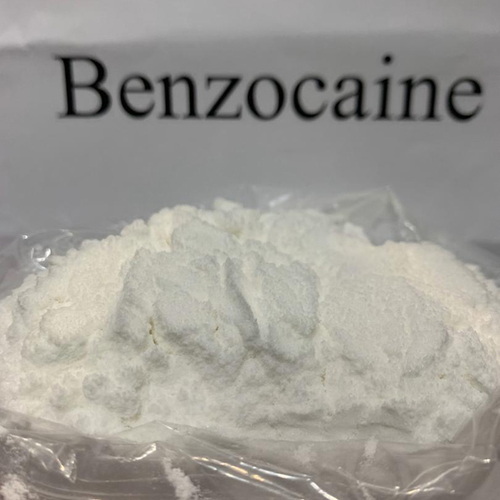
Benzocaine hydrochloride, also known chemically as ethyl 4-aminobenzoate hydrochloride (CAS 23239-88-5), appears as colorless or white orthorhombic needle-like crystals or crystalline powder. Its molecular formula is C9H11NO2·ClH with a molecular weight of 201.65 g/mol. The powder is slightly soluble in water, more so than benzocaine base, and soluble in solvents such as DMSO and ethanol. It has a melting point of approximately 291-292°C and decomposes before boiling at around 297°C. Benzocaine HCL is stable under an inert atmosphere and room temperature when stored correctly, and it exhibits hygroscopic characteristics, meaning it readily absorbs moisture from the air, so proper storage conditions are essential to maintain its quality.
Benzocaine HCL serves as a surface anesthetic by blocking voltage-dependent sodium channels located on nerve fibers. Sodium channels play a crucial role in generating and propagating electrical signals called action potentials along nerves. When benzocaine hydrochloride is applied topically, it penetrates the skin or mucous membranes and prevents sodium ions from entering nerve cells, inhibiting depolarization and the formation of nerve impulses. This blockade effectively stops the transmission of pain signals from the site of application to the brain's sensory centers, resulting in localized numbing or anesthesia. Because it acts only on sensory nerves superficially without significant systemic absorption, benzocaine HCL produces rapid and temporary pain relief with minimal side effects when used appropriately.
Benzocaine hydrochloride powder is a versatile compound used extensively in pharmaceutical formulations and medical products due to its effectiveness as a topical anesthetic. It finds wide usage in many fields:
- Topical Pain Relief: It is commonly formulated into creams, ointments, gels, sprays, and lotions to relieve pain and itching associated with minor burns, cuts, insect bites, sunburns, hemorrhoids, anal fissures, and other dermatological conditions.
- Oral and Throat Care: Benzocaine HCL is included in lozenges, sprays, and mouthwashes to numb the throat and reduce discomfort caused by sore throats, tonsillitis, or dental procedures.
- Dental Anesthesia: Dentists use benzocaine hydrochloride as a surface anesthetic to numb gums before injections or minor dental interventions such as scaling or root planing.
- Veterinary Use: In veterinary medicine, benzocaine HCL is employed as a local anesthetic for animal skin procedures and also as a sedative agent in fish transportation to reduce stress and physiological strain.
- Consumer Healthcare Products: It is found in various over-the-counter products designed for relief from minor pain or irritation on skin and mucous membranes.
Benzocaine hydrochloride powder, due to its physicochemical properties, is ideal for manufacturing a variety of topical dosage forms. Its greater water solubility compared to benzocaine base allows for easier formulation into aqueous solutions, sprays, and gels, which dissolve quickly at the site of application. The powder can also be used in ointments and creams where it provides rapid surface anesthesia.
Manufacturers typically produce benzocaine HCL powder by reacting benzocaine base with hydrochloric acid under controlled conditions, yielding a high-purity crystalline product. The powder is then dried and packaged according to pharmaceutical standards, ensuring compliance with regulatory requirements for purity, residual solvents, heavy metals, and microbial content.
Bulk benzocaine hydrochloride powder is commonly supplied in sealed drums or containers with appropriate labeling and certification documents such as Certificates of Analysis (COA) and Material Safety Data Sheets (MSDS). Many factories, including Chinese suppliers, cater to global brands, wholesalers, and manufacturers providing OEM services for customized packaging, formulations, and private labeling, offering flexibility and competitive pricing for clients worldwide.
Benzocaine hydrochloride, while generally safe for topical use, must be handled and applied according to proper guidelines to avoid adverse effects. It is non-toxic at recommended doses but ingestion of large amounts or inappropriate use can cause serious side effects, including methemoglobinemia—a condition where red blood cells are impaired in carrying oxygen.
Users should:
- Avoid applying benzocaine HCL products on large open wounds, deep cuts, or broken skin without medical advice.
- Use caution in children, particularly under two years old, due to potential sensitivity.
- Follow dosing instructions carefully, avoiding excessive or prolonged use.
Manufacturers and suppliers comply with regulations established by pharmaceutical and health authorities such as the US FDA, EMA, and China's NMPA to maintain product quality and safety. Adequate labeling, packaging, and documentation are provided to meet import-export and customer requirements.
To preserve the efficacy and purity of benzocaine hydrochloride powder, it should be stored in a cool, dry place away from direct sunlight and moisture. Containers should remain tightly sealed and protected from atmospheric moisture to prevent caking and degradation. Under proper storage conditions, benzocaine HCL powder retains stability for extended periods, ensuring consistent performance in pharmaceutical applications.
Benzocaine Hydrochloride HCL powder is a vital topical local anesthetic widely recognized for its effectiveness in providing rapid, localized pain relief and soothing minor skin and mucosal irritations. Its chemical stability, enhanced solubility, and diverse application possibilities make it indispensable in pharmaceutical, dental, veterinary, and consumer healthcare industries. Partnering with trusted manufacturers, especially OEM suppliers in China, can ensure access to high-quality benzocaine HCL powder tailored to specific business needs with reliable supply, comprehensive documentation, and cost efficiency.
For businesses seeking a dependable source of benzocaine hydrochloride powder, collaboration with professional factories offering OEM services provides unmatched advantages in product quality, customization, and service excellence. Contact us now for detailed product specifications, sample requests, and personalized quotations to elevate your formulations and market offerings.
Benzocaine hydrochloride is the hydrochloride salt form of benzocaine, offering improved water solubility for easier formulation and faster onset of action in aqueous and oral products. Benzocaine base is less soluble in water and typically used in ointments and oil-based topical formulations.
It is formulated into topical anesthetic creams, gels, sprays, and lozenges to relieve pain and itching from minor burns, insect bites, ulcers, hemorrhoids, dental procedures, and sore throats.
Use benzocaine products with caution in children, especially those under two years old, due to the rare risk of methemoglobinemia. Always adhere to recommended dosing or consult a healthcare professional before use.
Store in a cool, dry place, tightly sealed in moisture-proof containers. Avoid exposure to high temperatures, humidity, and direct sunlight to maintain stability and effectiveness.
Yes, it is used as an anesthetic sedative in fish transport to reduce stress and stabilize water parameters, helping improve fish survival and welfare during handling.
Hot tags: Benzocaine Hydrochloride, HCL Powder Uses, Local Anesthetic Properties, Benzocaine Chemical Structure, Benzocaine Applications, Benzocaine Hydrochloride Benefits, Benzocaine HCL Safety, Topical Anesthetic HCL, Benzocaine Hydrochloride Dosage, Benzocaine Hydrochloride Formulation