Content Menu
● Understanding Lidocaine HCL 2 Injection
● Primary Medical Applications
>> Cardiac Arrhythmia Management
● Safety Profile and Precautions
● Frequently Asked Questions (FAQs)
>> 1. What is Lidocaine HCL 2 Injection primarily used for?
>> 2. How is Lidocaine Injection administered?
>> 3. What side effects might occur with Lidocaine Injection?
>> 4. Can Lidocaine Injection be used during pregnancy?
>> 5. How should Lidocaine Injection be stored?
Lidocaine Hydrochloride (HCL) 2% Injection is an essential medication widely used in medical practice to provide local anesthesia and treat certain heart conditions. It belongs to the class of amide-type local anesthetics, which block nerve impulses from transmitting pain signals, thereby numbing tissues and reducing discomfort during various medical procedures. In addition to its anesthetic properties, Lidocaine HCL 2 Injection is used as an antiarrhythmic agent to manage abnormal heart rhythms, particularly after acute myocardial infarction (heart attack). This article offers an in-depth overview of the uses, administration, precautions, side effects, and answers common questions to help healthcare professionals and patients understand this vital medication.

Lidocaine HCL 2 Injection contains 20 mg of lidocaine hydrochloride per milliliter in a clear, sterile solution intended for injection. Its primary action is to temporarily block the sodium channels in nerve cell membranes, preventing initiation and transmission of nerve impulses responsible for sensations such as pain or temperature. This mechanism enables the controlled numbing of targeted body regions, facilitating painless surgical, dental, or diagnostic interventions.
The medication can be administered through various injection routes depending on the treatment context, including subcutaneous, intramuscular, intravenous, peripheral nerve blocks, epidural, or regional anesthesia. When used appropriately, Lidocaine HCL 2 provides rapid onset of anesthesia, lasting from minutes to several hours based on dose and location.
Local anesthesia is one of the most common uses of Lidocaine HCL 2 Injection. It is frequently used to numb a specific area for minor surgeries, dental procedures, stitches, skin biopsies, or other interventions where patient comfort and immobility are necessary. By injecting the solution near nerves or nerve clusters, the sensation in the targeted region is temporarily lost, allowing procedures to be carried out without pain.
Lidocaine's versatility allows multiple types of local anesthesia techniques:
- Infiltration anesthesia: The solution is directly injected around the wound or surgical site.
- Peripheral nerve block: Lidocaine is injected near major nerve trunks to numb larger areas, such as a limb.
- Epidural and spinal anesthesia: Administered into the epidural or spinal spaces, often during childbirth or lower-body surgeries to block nerve signals over a wide area.
The dosage varies considerably depending on the method, patient weight, and clinical indication but generally does not exceed 4.5 mg/kg in adults or 3 mg/kg in children for local infiltration.
Beyond anesthesia, Lidocaine HCL 2 Injection serves as a class Ib antiarrhythmic agent, primarily used for treating and suppressing ventricular arrhythmias — abnormal rapid heart rhythms originating in the ventricles. This use is critical in cases of ventricular tachycardia and ventricular fibrillation, especially following a myocardial infarction (heart attack).
Lidocaine works by blocking sodium channels in cardiac muscle cells, stabilizing electrical conduction and preventing erratic signals that cause arrhythmias. It is administered intravenously under strict cardiac monitoring, with careful dosing to avoid toxicity. For advanced cardiac life support in adults, typical intravenous dosing may start with a bolus of 1 to 1.5 mg/kg followed by continuous infusion, adjusted as needed.

The administration of Lidocaine HCL 2 Injection must always be performed by trained healthcare professionals who understand proper dosing, injection techniques, and safety precautions.
- Dose calculation depends on the patient's weight, age, medical condition, and intended use.
- Injection sites vary from localized tissue infiltration to epidural spaces or isolated limb veins.
- Monitoring during and after administration is essential to watch for adverse reactions, especially during cardiac uses.
- For spinal or epidural anesthesia, a small test dose is recommended to confirm placement and reduce risks of inadvertent intravascular injection.
Before administering Lidocaine HCL 2 Injection, it is critical to evaluate contraindications and precautions:
- Do not use in patients with known allergy to lidocaine or other amide anesthetics.
- Exercise caution in individuals with cardiac failure, liver disease, or impaired renal function as these conditions may affect drug metabolism and increase toxicity.
- Avoid usage in intraocular injections due to the formulation's inappropriate pH and osmolality.
- Pregnant or breastfeeding women should only receive this drug if benefits outweigh risks, under medical supervision.
- Inform patients about possible temporary numbness or dizziness; they should avoid driving or operating dangerous machinery until fully recovered.
Proper aseptic technique and always following prescribed dosing limits help prevent complications.
While Lidocaine HCL 2 Injection is generally safe when properly administered, side effects can occur:
Common side effects:
- Pain or slight swelling at injection site
- Temporary numbness or tingling beyond the target area
- Mild dizziness or drowsiness
- Nausea or vomiting in rare cases
Serious side effects (require immediate medical attention):
- Allergic reactions including rash, itching, or anaphylaxis
- Convulsions or seizures due to CNS toxicity (high doses or accidental intravascular injection)
- Cardiovascular effects like hypotension, slow heart rate, or arrhythmias
- Methemoglobinemia—a rare blood disorder causing reduced oxygen-carrying capacity
Any symptoms such as prolonged numbness, muscle weakness, breathing difficulty, or irregular heartbeat should prompt urgent evaluation.
Lidocaine HCL 2 Injection should be:
- Stored in a cool place below 25°C, protected from light.
- Used immediately after opening and discarded appropriately to maintain sterility.
- Kept out of reach of children and pets.
- Not used beyond stated expiry dates to ensure effectiveness and safety.
Lidocaine HCL 2 Injection is a versatile and indispensable medication in modern medicine, serving critical roles in local anesthesia and cardiac arrhythmia management. Its rapid onset, reliable pain control, and capacity to stabilize abnormal heart rhythms have made it a cornerstone drug in both surgical and emergency settings. Proper administration, dosage, and monitoring are essential to maximize benefits and minimize risks. If seeking a dependable supply of high-quality Lidocaine HCL 2 Injection for pharmaceutical or clinical needs, professional OEM manufacturers like us at supplybenzocaine.co.uk are ready to support with customized solutions and competitive service. Contact to know more!
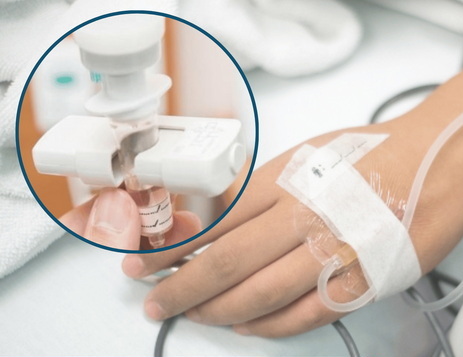
Lidocaine HCL 2 Injection is primarily used to induce local anesthesia for surgical procedures and to treat abnormal heart rhythms such as ventricular tachycardia following a heart attack.
It is administered via injection near nerves (local infiltration), epidural or spinal spaces, or intravenously for antiarrhythmic effects. The dose varies by patient and indication.
Common side effects include local pain and numbness, dizziness, and nausea. Serious side effects like allergic reactions or seizures are rare but require immediate attention.
Lidocaine may be used during pregnancy only if clearly needed and prescribed by a doctor after careful assessment of risks versus benefits.
Store below 25°C away from light, use right after opening, and avoid using after expiry. Keep out of reach of children.
[1](https://www.medicines.org.uk/emc/product/6281/smpc)
[2](https://hpr-rps.hres.ca/details.php?drugproductid=365&query=clopidogrel&wbdisable=true)
[3](https://www.nps.org.au/medicine-finder/lignocaine-hcl-injection-bp-single-dose-ampoules)
[4](https://go.drugbank.com/drugs/DB00281)
[5](https://www.drugs.com/mtm/lidocaine-injection.html)
[6](https://www.pfizermedicalinformation.com/patient/lidocaine/indications-usage)
[7](https://www.mayoclinic.org/drugs-supplements/lidocaine-injection-route/description/drg-20452273)
[8](https://www.ncbi.nlm.nih.gov/books/NBK539881/)
[9](https://www.oncolink.org/cancer-treatment/oncolink-rx/lidocaine-hcl-solution-2-xylocaine-R-viscous)
[10](https://dailymed.nlm.nih.gov/dailymed/fda/fdaDrugXsl.cfm?setid=74450548-62f4-b77f-e053-2991aa0ae5cf)
Hot tags: Lidocaine HCL 2 Injection Uses, Local Anesthesia Techniques, Epidural Anesthesia, Nerve Block Techniques, Pain Management Injection, Surgical Anesthesia, Lidocaine Dosage Forms, Medical Procedures Anesthesia, Injection Safety, Lidocaine for Labor Pain.