Content Menu
● OTC vs. Prescription Lidocaine Patches
>> OTC lidocaine patches (typically 4%)
>> Prescription lidocaine patches (often 5% or 1.8%)
● Where Can Individual Consumers Buy Lidocaine Patches?
>> 1. Local community pharmacies
>> 2. Large retail and drugstore chains
>> 3. Online pharmacies and marketplaces
>> 4. Telehealth and e-prescription services (for 5% patches)
● Where Can Brands, Wholesalers, and Manufacturers Buy Lidocaine Patches?
>> 1. Directly from GMP-certified factories
>> 2. International distributors and trading companies
>> 3. B2B e-commerce platforms
● How to Choose a Reliable Lidocaine Patch Supplier
>> Key criteria for consumers (patient level)
>> Key criteria for B2B buyers (brand, wholesale, OEM)
● Safety Tips When Using Lidocaine Patches
● Typical Purchasing Scenarios and Examples
>> Scenario 1: Patient with mild back pain
>> Scenario 2: Patient with postherpetic neuralgia
>> Scenario 3: Brand owner launching a new product line
>> Scenario 4: Hospital or clinic purchasing program
>> Scenario 5: Distributor expanding regional portfolio
● Additional Practical Tips for Buyers
● FAQ
>> 1. What strength of lidocaine patch can I buy without a prescription?
>> 2. Do I need a prescription for 5% lidocaine patches?
>> 3. Is it safe to use more than one lidocaine patch at a time?
>> 4. Can I cut a lidocaine patch into smaller pieces?
>> 5. How can international buyers source lidocaine patches in bulk?
Lidocaine patches are a convenient option for localized pain relief, available both over the counter (OTC) and by prescription in many countries. Understanding where and how to buy them safely is essential for patients, brands, wholesalers, and OEM buyers.
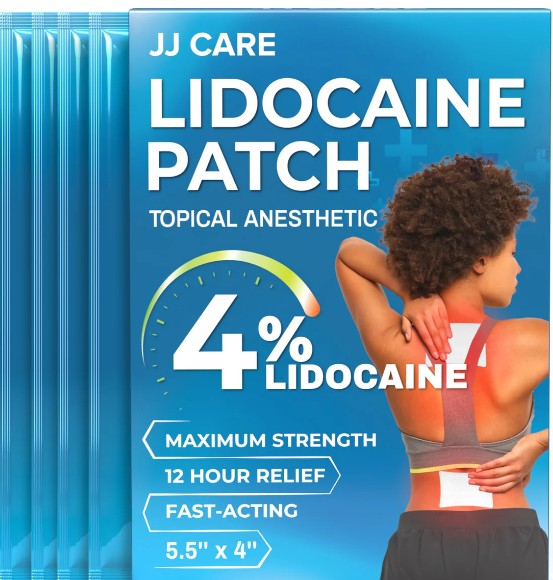
Lidocaine patches are flexible medicated plasters containing a local anesthetic that numbs nerve signals in the skin where they are applied. They are commonly used for minor aches and pains, nerve pain after shingles, chronic back or joint pain, and other localized discomfort.
Typical strengths and uses include:
- 4% topical patches: Sold without prescription in many markets for temporary relief of minor muscle and joint pain in adults and adolescents.
- 5% prescription patches: Used under medical supervision for postherpetic neuralgia and other neuropathic pain conditions.
- Other strengths (for example 1.8%): Available in some countries as prescription-only for specific nerve pain indications.
In practice, a lidocaine patch is applied to intact skin for a defined number of hours, then removed to allow the skin to rest and to limit systemic absorption.
OTC and prescription patches differ mainly in concentration, indication, and access conditions.
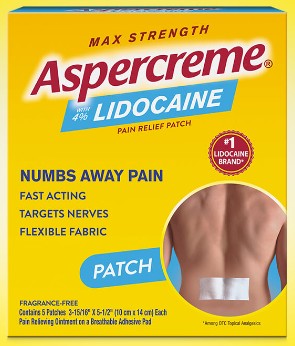
OTC patches, generally containing lidocaine 4%, are widely available online and in physical pharmacies. They are indicated for temporary relief of minor pain in areas such as shoulders, arms, neck, back, and legs in adults and children above a certain age. These products are marketed for muscle strains, sprains, and everyday aches rather than severe neuropathic pain.
Patches with 5% or 1.8% lidocaine are usually classified as prescription medicines. They are frequently used for treating nerve pain after shingles (postherpetic neuralgia) and other chronic pain syndromes under the supervision of a healthcare professional. Regulatory guidelines can limit the number of patches per day and per month to minimize systemic exposure and ensure safe use.
If you are a patient or general consumer looking for lidocaine patches for personal use, you typically have three main channels: community pharmacies, large retail chains, and online pharmacies or marketplaces.
Many local pharmacies offer store-brand or branded 4% lidocaine patches in the pain relief aisle. Advantages include:
- Immediate purchase without shipping time.
- Pharmacist advice on safe use, interactions, and correct application.
- Ability to discuss whether you might need prescription-strength options with your doctor.
Major chains and supermarkets in many countries stock popular lidocaine patch brands and their own generics. These outlets often provide:
- Competitive pricing and promotional discounts.
- Various pack sizes, from single patches to multi-packs.
- Loyalty programs or health-card benefits that make regular purchases more affordable.
Online sales have become a primary channel for OTC lidocaine patches. Buyers can typically find:
- Brand-name 4% patches, generic equivalents, and alternative formats like sprays or creams.
- Door-to-door delivery with discreet packaging.
- Bulk purchase options that reduce cost per patch.
Important checks when buying online include verifying that the seller is licensed, checking product registration numbers, reading product descriptions carefully, and reviewing customer feedback on quality and effectiveness.
For prescription-strength patches, many regions allow online telehealth platforms to issue electronic prescriptions after a remote consultation. These services often integrate with partner pharmacies that ship the prescribed lidocaine patches directly to the patient, sometimes offering automatic refills for chronic conditions when appropriate.
If you are not just a patient but a brand owner, wholesaler, or pharmaceutical manufacturer, you will typically seek bulk supply with OEM or private-label options. This involves working with licensed factories that can produce lidocaine patches under your brand, following your specifications and target market's regulatory requirements.
Professional buyers often source from GMP-compliant plants capable of full-cycle production (formulation, coating, die-cutting, packaging). A qualified OEM factory should provide:
- Documented quality systems, including batch records and test reports.
- Regulatory dossiers to support registration in target markets.
- Stability data and validated analytical methods for lidocaine content and release.
- Clear communication about production capacity, lead time, and minimum order quantities.
Our Chinese factory (supplybenzocaine.co.uk) focuses on biotechnology, pharmaceutical and medical product research, development and manufacturing, offering lidocaine-related formulations and other medical products to overseas brands, wholesalers, and producers via OEM and contract manufacturing services. We support customized strengths, patch sizes, backing materials, and packaging to match local regulatory and marketing demands.
Some buyers prefer to work with distributors who consolidate products from different factories. Advantages include:
- Access to a broader product portfolio (patches, gels, injections, topical combinations).
- Local warehousing for faster deliveries and reduced shipping costs.
- Support with import procedures, labeling requirements, and post-market logistics.
However, for high-volume or strict regulatory markets, direct cooperation with the manufacturing site is often preferable to maintain transparency, better control over quality, and long-term pricing stability.
Certain B2B platforms list lidocaine patches and other anesthetic products, enabling initial supplier screening. While these platforms are useful for discovering options, serious buyers still need to perform GMP audits, quality assessments, sample evaluation, and regulatory due diligence before placing long-term orders. Using a structured vendor-qualification checklist and trial orders is highly recommended.
Whether you are an individual user or an institutional buyer, choosing a reliable source is critical for safety and efficacy.
When buying OTC patches:
- Check strength: 4% is typically the maximum available without prescription in many markets.
- Verify usage instructions: Look for clear guidance on how many patches to use, application time, and how long to wait between uses.
- Confirm packaging integrity: Avoid products with damaged, faded or tampered packaging.
- Look for product registration or authorization numbers where applicable.
- Prefer recognized brands or pharmacy-own-label products for better quality assurance.
For professional buyers, evaluation should be more detailed:
- Regulatory compliance: GMP certification, local drug or medical device licensing, ISO certifications where applicable, and documentation for registration in your target country or region.
- Quality control: Specifications for lidocaine content uniformity, adhesiveness, release profiles, microbial limits, and stability; availability of certificates of analysis and batch traceability.
- Customization capability: Ability to adjust lidocaine strength (for example 4% vs 5%), patch size, shape, backing material, and packaging design according to your market strategy.
- Supply capacity: Stable production volumes, realistic lead times, and backup capacity for peak seasons or urgent orders.
- Technical support: Professional R&D and regulatory teams to help with formulation optimization, dossier preparation, and responses to regulatory questions.
- Communication and service: Fast response times, clear quotations, transparent terms, and support during and after product launch.
Our facility in China offers OEM and contract manufacturing services for topical anesthetic products, including lidocaine patches, injections, and related medical items for overseas brands, wholesalers, and manufacturers. We support flexible minimum order quantities, stable bulk supply, and full documentation packages to help partners enter multiple markets efficiently.
Even though lidocaine patches are widely used, they must be applied correctly to avoid side effects and overdosing.
Key safety principles include:
- Apply to intact, unbroken skin only, because broken or damaged skin increases systemic absorption and risk of side effects.
- Follow recommended wear time; many products suggest a maximum continuous application period followed by an off-interval to allow the skin to rest.
- Do not exceed the maximum number of patches recommended at one time or per day.
- Avoid tight coverings, bandages, or heat sources over the patch, such as heating pads, electric blankets or hot-water bottles, as they can increase lidocaine absorption.
- Keep patches away from eyes, mouth, and other mucous membranes, and wash hands after application.
- Store patches safely away from children and pets, and dispose of used patches carefully, folding the sticky sides together before discarding.
If you experience dizziness, confusion, unusual tiredness, ringing in the ears, numbness around the mouth, or irregular heartbeat while using lidocaine patches, remove the patch and seek medical attention immediately. Patients with severe liver disease, heart rhythm problems, or those taking certain antiarrhythmic medicines should discuss lidocaine patch use with a healthcare professional before starting treatment.
A middle-aged office worker with occasional lower back pain can buy 4% OTC lidocaine patches from a local pharmacy or online store. They might choose a multi-pack for better value and follow instructions for short-term localized pain relief, applying the patch to the painful area after work and removing it at bedtime.
A patient with severe nerve pain after shingles may receive a prescription for 5% lidocaine patches from their doctor. These patches are dispensed via a licensed pharmacy or mail-order service, with strict limits on daily and monthly use, and the patient is advised to monitor skin reactions and pain control regularly.
A foreign brand planning to launch a line of topical pain-relief products seeks an OEM factory to produce private-label lidocaine patches. They work with a GMP-certified Chinese manufacturer (such as our factory) to customize formulations, packaging design, and regulatory documentation for their target regions, setting up long-term supply agreements and marketing support plans.
A hospital pain clinic may purchase prescription lidocaine patches in bulk through its centralized purchasing department. The clinic works with authorized distributors or directly with manufacturers, ensuring that the products meet hospital formulary requirements and that staff receive training on safe application and prescribing guidelines.
A regional medical distributor that already sells analgesic tablets and injectable anesthetics may want to add topical lidocaine patches to its portfolio. The distributor partners with an OEM factory capable of supplying multiple dosage forms and strengths, allowing them to offer a complete pain-management range under one unified brand.
- Compare total cost, not just unit price: Consider shipping, customs, taxes, and potential wastage when calculating the real cost per usable patch.
- Check shelf life: For both consumers and B2B buyers, ensure sufficient remaining shelf life at the time of purchase to cover your treatment period or sales cycle.
- Ask for samples: Professional buyers should test adhesion, comfort, and clinical performance with small batches before committing to large orders.
- Plan regulatory strategy early: For brands and manufacturers, involve regulatory experts early to align formulation, labeling and documentation with target-market rules.
- Consider product portfolio synergy: Combining lidocaine patches with related products (for example gels, sprays, or combination pain patches) under the same brand can strengthen your market position.
Lidocaine patches are widely accessible for localized pain relief, from 4% OTC products in pharmacies and online stores to 5% prescription patches for more serious nerve pain. For individual consumers, the key is to choose reputable sellers, follow product instructions carefully, monitor for side effects, and consult a healthcare professional if pain persists or you need stronger formulations. For brands, wholesalers, and manufacturers, working with a reliable OEM factory ensures regulatory compliance, consistent quality, secure supply, and flexible customization for your target markets.
If you are a foreign brand owner, distributor, or producer looking for a stable OEM partner for lidocaine patches, injections, or related medical products, our Chinese factory (supplybenzocaine.co.uk) can support you with research, development, manufacturing, and full export documentation for multiple countries. Contact us today through our website to discuss your project, request quotations, or explore long-term cooperation opportunities tailored to your business needs. Contact us to get more information!
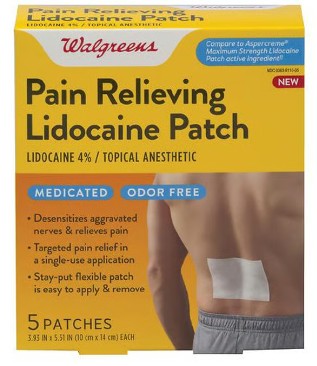
In many markets, the strongest lidocaine patch available without a prescription is 4%. These 4% patches are intended for temporary relief of minor aches and pains in areas such as shoulders, arms, neck and legs in adults and older children, and are usually found in pharmacies and reputable online stores.
Yes, 5% lidocaine patches are typically prescription-only products used mainly for postherpetic neuralgia and other neuropathic pain conditions. A doctor must evaluate your symptoms, medical history, and other medications to decide whether this higher-strength therapy is appropriate and safe for you.
Safety depends on the specific product and its instructions, but you should never exceed the maximum number of patches recommended at once or per day on the package or by your doctor. Using too many patches or wearing them too long can increase systemic lidocaine absorption and may lead to side effects such as dizziness, confusion, or irregular heartbeat.
Some patches may be designed to be cut, while others are not; many prescription patches are supplied in sizes that can be cut under healthcare professional guidance. Always read the instructions carefully or ask a pharmacist or doctor before cutting patches to ensure you do not change the intended dose or interfere with how the patch releases the medicine.
International buyers such as brands and wholesalers can source lidocaine patches directly from GMP-certified OEM factories or through licensed distributors. Our factory in China (supplybenzocaine.co.uk) provides OEM services for lidocaine patches and other pharmaceutical and medical products, offering tailored formulations, packaging, and documentation to support market entry and long-term growth in different countries and regions.
1. https://curistrelief.com/products/lidocaine-4-patch-maximum-strength-20-patches
2. https://curistrelief.com/blogs/curist/lidocaine-patch-5-vs-4-vs-1-8-percent
3. https://www.laspinedoc.com/wearing-lidocaine-patches-safely/
4. https://www.aspercreme.com/en-us/products/patch/lidocaine-patch
5. https://hexiapharm.com/lidocaine-4-vs-5-percent-strength-usage-guidelines-pain-relief/
6. https://www.goodrx.com/lidocaine/lidocane-patch
7. https://www.walmart.com/c/kp/lidocaine-patch
8. https://enclarapharmacia.com/palliative-pearls/comparing-prescription-and-over-the-counter-lidocaine-patches
9. https://my.clevelandclinic.org/health/drugs/19244-lidocaine-tetracaine-dermal-patches
10. https://www.walgreens.com/store/c/walgreens-24-hour-lidocaine-patches/ID=300417455-product
Hot tags: Buy Lidocaine Patches Online, Lidocaine Patches Near Me, Maximum Strength Lidocaine Patches OTC, Best Lidocaine Patches For Pain Relief, Where To Buy Lidocaine Patches, 4 Percent Lidocaine Numbing Patches, Lidocaine Patches For Back Pain, Over The Counter Lidocaine Patches, Topical Lidocaine Patch For Sale, Lidocaine Patches Price Comparison