Content Menu
● What Is Novocaine Injection?
● Main Medical and Dental Applications
● Legal and Regulatory Considerations for Buying Novocaine Injection
● Risks of Purchasing from Unreliable Sources
● Types of Suppliers for Novocaine Injection
● Why Choose a Chinese OEM Factory for Novocaine Injection?
● Novocaine, Benzocaine, and Lidocaine: Understanding the Differences
● Step-by-Step Guide to Procuring Novocaine Injection for Your Business
● OEM Services Offered by Professional Factories
● Applications in Biotech, Pharma, and Medical Devices
● Packaging and Storage Considerations
● Quality Assurance and Testing Parameters
● Cost Considerations: Bulk Purchase vs Retail Procurement
● Long-Term Trends in Local Anesthetics
● FAQ
>> 1. Is Novocaine injection available for direct consumer purchase?
>> 2. Can businesses buy Novocaine powder and have it formulated into injections?
>> 3. Why do many international buyers choose Chinese OEM factories for Novocaine injection?
>> 4. How should I evaluate whether a Novocaine injection supplier is reliable?
>> 5. What is a typical lead time for custom Novocaine injection OEM orders?
Novocaine injection, known scientifically as procaine hydrochloride, is a classic local anesthetic widely used in dental, medical, and veterinary procedures for its rapid numbing effect. For clinics, hospitals, veterinarians, and pharmaceutical brands, knowing where and how to buy Novocaine injection safely and legally is crucial, especially when sourcing from overseas OEM factories.
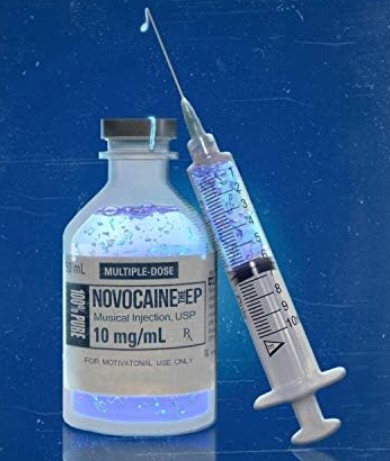
Novocaine injection is a sterile solution containing procaine hydrochloride, usually at concentrations such as 1% or 2%, designed for local or regional anesthesia. It works by blocking sodium channels in nerve cell membranes, preventing nerve impulses from transmitting pain signals to the brain while keeping the patient fully conscious. Because of its relatively fast onset and short duration of action, it is particularly suitable for minor and medium-length procedures.
Historically, Novocaine was introduced in the early 20th century as a safer alternative to cocaine for dental anesthesia and quickly became a standard in dentistry worldwide. Although more modern anesthetics like lidocaine have taken a larger market share due to longer duration and broader indications, Novocaine remains a valuable option in certain clinical and research settings. It is still used for dental procedures, minor surgeries, and as a reference compound in pharmaceutical development.
In injection form, Novocaine typically comes in glass ampoules or vials, sometimes combined with vasoconstrictors like epinephrine to prolong the anesthetic effect and reduce local bleeding. For professional buyers, detailed product specifications such as concentration, pH, excipients, and sterility assurance level are essential technical parameters to review before placing an order.
In dentistry, Novocaine injection is commonly used for:
- Local anesthesia for tooth extraction
- Cavity preparations and fillings
- Root canal treatments
- Periodontal procedures involving gums and surrounding tissues
The anesthetic effect usually appears within a few minutes and can last around 30 to 60 minutes depending on dose and injection technique. This makes it particularly suitable for routine dental work where fast onset and predictable offset are desirable.
In general medicine and minor surgery, Novocaine injection can be used for:
- Skin biopsies and small soft-tissue excisions
- Suturing of superficial wounds
- Small dermatological procedures
- Certain nerve block techniques when short-term numbness is sufficient
Veterinary clinics may also use procaine-based products for minor surgical interventions, wound management, and specific procedures in small and large animals. In addition, Novocaine and its derivatives still play a role in pharmaceutical research and development, both as active ingredients and as a reference for studying local anesthetic mechanisms.
Novocaine injection is a prescription drug in most countries and is subject to pharmaceutical regulations that govern manufacturing, distribution, and clinical use. When purchasing Novocaine, especially in bulk or for OEM production, legal and compliance issues must be considered carefully.
Key regulatory points include:
- Prescription status: In many jurisdictions, Novocaine injection cannot be sold directly to consumers without a prescription and must be supplied to licensed healthcare providers or institutions.
- Manufacturing standards: Factories producing Novocaine injections must comply with Good Manufacturing Practice (GMP) requirements and be licensed by the relevant national drug regulatory authority.
- Import and export controls: Cross-border transactions typically require import licenses, customs documentation, certificates of analysis (COA), and sometimes drug master files or related dossiers depending on the target market.
- Labeling and pharmacovigilance: Finished injection products must meet local labeling laws, including language, dosage information, storage conditions, expiration date, and manufacturer details, and may be subject to post-market surveillance obligations.
For international buyers, it is essential to cooperate with suppliers who are familiar with the regulatory requirements in your jurisdiction and who can provide appropriate support documentation. This can include GMP certificates, ISO certifications, stability data, validation reports, and other technical files needed for registration or internal quality audits.
While online channels have made it easier to find Novocaine injection and other anesthetics, they have also increased the risk of encountering informal or unregulated suppliers. Purchasing from unreliable sources can bring serious safety and legal issues.
Typical risks include:
- Substandard quality: Products may not meet pharmacopoeial standards, leading to reduced potency, inconsistent anesthetic effect, or increased risk of adverse reactions.
- Contamination and sterility problems: Poorly controlled production environments can result in bacterial contamination, endotoxin issues, or particulate matter, potentially causing infections or severe complications when injected.
- Incorrect labeling: Mislabeling of concentration, batch number, or expiration date undermines traceability and pharmacovigilance, making recalls and quality investigations difficult.
- Legal consequences: Importing unregistered or counterfeit pharmaceuticals can lead to product seizures by customs, fines, and even criminal liability for the receiving company.
To minimize these risks, professional buyers should always verify the supplier's regulatory status, certifications, quality system, and track record in pharmaceutical manufacturing. It is recommended to request and review documentation such as COA, GMP certificates, and audit reports, and to carry out independent quality testing where possible.
There are several categories of suppliers from which you can buy Novocaine injection or its raw materials:
- Global API manufacturers: These companies focus on producing active pharmaceutical ingredients (APIs) such as procaine base or procaine hydrochloride, which can then be formulated into injections by dosage-form manufacturers.
- Finished dosage manufacturers: These factories produce ready-to-use injectable preparations in ampoules or vials, designed for distribution to hospitals, clinics, and pharmacies.
- Medical and dental distributors: Large distributors supply a wide range of injectable anesthetics, including Novocaine and more modern alternatives like lidocaine and articaine, mainly targeting healthcare professionals.
- OEM/contract manufacturers: These are factories that develop and manufacture Novocaine injections and related products under the brand name of foreign clients, offering services such as formulation development, filling, packaging, and regulatory support.
For foreign brands, wholesalers, and other B2B buyers, OEM and contract manufacturing arrangements are often the most flexible and cost-effective choice, especially when collaborating with experienced Chinese factories that can provide comprehensive services from R&D to export logistics.
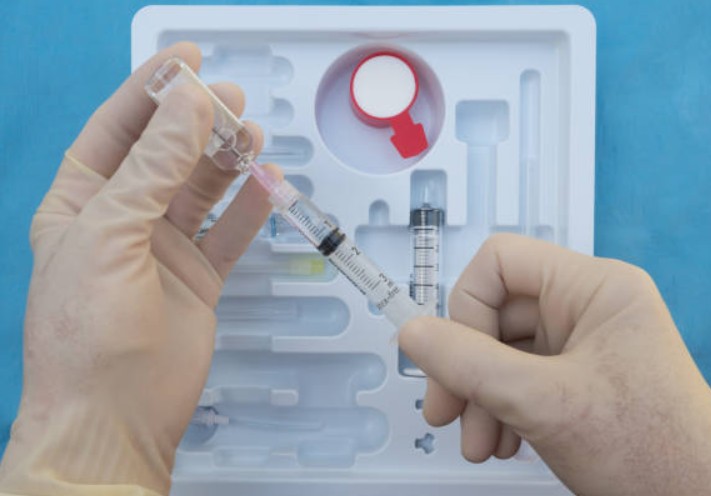
China has become one of the world's major centers for pharmaceutical production and export, including APIs and finished dosage forms. For Novocaine injection and related local anesthetics, Chinese OEM factories can provide several important advantages:
- Competitive cost structure: Large-scale production lines, mature supply chains, and efficient manufacturing allow Chinese factories to offer attractive pricing, particularly for bulk and long-term contracts.
- Rich R&D experience: Many factories have specialized R&D teams that can develop customized formulations, adjust excipients, optimize stability, and tailor products to meet different regulatory or clinical needs.
- Flexible OEM and private label services: Buyers can customize concentrations, volumes, packaging formats, label designs, and even brand concepts to fit their target markets.
- Comprehensive documentation: Professional factories are prepared to offer detailed technical files, stability data, validation reports, and certificates needed for regulatory submissions in Europe, North America, and other regions.
A factory like supplybenzocaine.co.uk, which focuses on biotechnology, pharmaceuticals, medical devices, and related fields, is able to integrate R&D, production, and sales. Such factories typically provide Novocaine-related APIs and finished injection products, as well as OEM services tailored specifically to foreign brand owners, wholesalers, and manufacturers.
When sourcing local anesthetics, it is helpful to understand how Novocaine compares with other commonly used substances such as benzocaine and lidocaine. This knowledge allows you to choose the most suitable product for your application or to design a diversified product line.
- Novocaine (procaine hydrochloride):
Primarily used as an injectable local anesthetic. It offers relatively rapid onset and moderate duration and has a long history of clinical use in dentistry and minor surgery.
- Benzocaine:
A local anesthetic mainly used in topical formulations such as gels, sprays, and lozenges. It is not typically used for injection. It is popular in over-the-counter oral and throat products because it provides surface numbing without systemic injection.
- Lidocaine:
A versatile local anesthetic used in both injectable and topical forms. It has a longer duration of action than Novocaine and a broad indication range, making it one of the most widely used local anesthetics in modern practice. Lidocaine can also be combined with epinephrine to extend its effect and reduce bleeding.
For OEM customers, an experienced factory can supply a portfolio including procaine, benzocaine, and lidocaine in both API and finished dosage forms. This allows you to develop injection products for professional use as well as topical products for consumer or over-the-counter markets. Custom combinations, such as multi-anesthetic formulations, can be explored according to regulatory feasibility and market needs.
If you are a brand owner, wholesaler, or manufacturer looking to buy Novocaine injection from an OEM supplier, the following step-by-step process can help you plan the project more effectively:
1. Clarify product requirements
Determine the exact specifications you need: concentration (e.g., 1% or 2%), volume per ampoule or vial, packaging format (ampoule, vial, prefilled syringe), and intended market (human or veterinary). Decide whether you require plain Novocaine or a combination with a vasoconstrictor.
2. Define regulatory pathway
Check the regulatory requirements in your target country or region. Decide whether you need a full registration dossier for a new product, a variation of an existing product, or supply under a specific program. This will influence what documentation and technical support you need from the OEM factory.
3. Select and evaluate suppliers
Shortlist several factories that specialize in local anesthetics and have experience with export projects. Evaluate them based on GMP status, production capacity, export experience, existing registrations, and quality-control capabilities. Request relevant certificates and documentation.
4. Request samples and technical data
Ask the suppliers to provide small-batch samples of Novocaine injection along with COA, stability data, and typical test reports. Conduct your own quality testing or send the samples to an independent laboratory to confirm that they meet your standards.
5. Negotiate OEM terms
Once you have identified a preferred supplier, negotiate the OEM terms including minimum order quantity, price, packaging, labeling design, payment terms, and delivery schedules. Discuss intellectual property matters if your brand involves proprietary designs or formulations.
6. Pilot batch and validation
Arrange for a pilot batch to test the production process and ensure consistent quality. Use this batch for internal evaluation, registration samples, or market testing as appropriate. Work closely with the factory's technical team to address any issues.
7. Scale up to commercial production
After a successful pilot stage, move to regular commercial production. Establish a communication mechanism for ongoing quality assurance, supply planning, and handling of any regulatory questions that may arise during product life.
8. Plan logistics and distribution
Coordinate transportation, customs clearance, and warehousing in your destination country. Ensure appropriate temperature and storage conditions throughout the supply chain to maintain product quality.
A comprehensive OEM service for Novocaine injection typically covers the entire product life cycle. A factory with integrated capabilities can provide:
- Research and development: Support in developing new formulations, adjusting concentrations, and improving stability, possibly in combination with other active ingredients for differentiated products.
- Sterile production: Operation of dedicated cleanrooms, sterile filtration, filling, and sealing lines to ensure aseptic conditions for injectables.
- Packaging and design: Options for different vial sizes, ampoule types, prefilled syringes, and outer box designs, including compliance with local language and regulatory labeling requirements.
- Quality control and assurance: In-house laboratories performing routine tests such as appearance, pH, assay, impurities, sterility, endotoxins, and stability, with clear documentation and batch records.
- Regulatory support: Assistance with preparing registration documents, answering technical questions from authorities, and maintaining the documentation needed for inspections or audits.
For foreign brand owners and wholesalers, such one-stop OEM services significantly reduce the complexity and cost of developing and maintaining a Novocaine injection product line.
Beyond traditional clinical uses, Novocaine and other local anesthetics play a role in innovative biotech and medical device projects. For example, companies may integrate anesthetics into:
- Transdermal patches or microneedle patches for localized, controlled-release pain relief.
- Smart injection devices that automatically administer an anesthetic before a main injection, improving patient comfort.
- Combination products that include both anesthetic and anti-inflammatory or antimicrobial components.
Chinese OEM factories with strong R&D capabilities can help clients develop these more complex products by providing formulation expertise, pilot production, and scale-up to commercial manufacturing. Coordinating drug and device components under suitable quality systems (often integrating medical device standards like ISO 13485) allows you to build differentiated offerings tailored to specific markets.
Proper packaging and storage of Novocaine injection are critical for preserving potency and safety. Typical recommendations include:
- Use of glass ampoules or vials that protect the solution from light and maintain chemical stability.
- Clear labeling of batch numbers, manufacturing date, expiration date, and storage conditions.
- Recommended storage at controlled room temperature, usually in a cool, dry place away from direct sunlight and extreme temperatures.
- Avoiding freezing or overheating during transport and warehousing, supported by appropriate logistics solutions.
OEM factories can provide different packaging materials and configurations depending on the needs of hospitals, clinics, or distribution channels. For example, multi-unit packs for hospital wards or single-ampoule blister packs for particular procedures can be designed according to the buyer's requirements.
When selecting a supplier for Novocaine injection, understanding their quality assurance approach is essential. Typical quality indicators include:
- Assay: The amount of procaine hydrochloride in the product should be within a narrow range around the declared concentration according to the relevant pharmacopoeia.
- Impurities: Levels of related substances and degradation products must be controlled within specified limits.
- Sterility: The product must pass sterility tests in line with pharmacopoeial standards to ensure that no viable microorganisms are present.
- Bacterial endotoxins: Endotoxin levels must be below safety limits to avoid adverse reactions.
- Particulate matter: Visible and sub-visible particles should be controlled through filtration and strict process control.
- Stability: Real-time and accelerated stability studies should demonstrate that the product remains within specifications throughout its intended shelf life.
Buyers should review test methods, specifications, and validation status for key quality attributes. Regular communication with the OEM factory and periodic audits further strengthen the reliability of long-term cooperation.
From a business perspective, buying Novocaine injection through OEM manufacturing or bulk procurement offers significant advantages compared with purchasing finished retail products from distributors.
Main cost-related factors include:
- Economies of scale: Larger batch sizes reduce the unit cost of production, allowing more competitive pricing in your target markets.
- Margin control: Owning your brand and working directly with a factory removes multiple intermediary layers, leaving more room for profit or promotional budgets.
- Customization: You can design product specifications tailored to your market, avoiding unnecessary features or packaging that would otherwise add cost.
- Long-term stability: Multi-year supply agreements can lock in favorable pricing and secure a stable supply source, which is particularly important for critical medications.
While the initial effort to set up an OEM project may be higher than simply purchasing off-the-shelf retail products, the long-term financial and strategic benefits are substantial for serious players in the medical and pharmaceutical sectors.
The field of local anesthetics continues to evolve as researchers seek products with longer duration, improved safety, and more convenient delivery systems. Some notable trends include:
- Development of extended-release or liposomal formulations that provide longer-lasting pain control with fewer injections.
- Exploration of novel molecules and combinations aiming to reduce toxicity and side effects.
- Integration of anesthetics into advanced drug-delivery and medical device technologies, such as wearables or smart injectors.
- Growing demand in emerging markets, which increases the need for cost-effective, high-quality OEM manufacturing solutions.
For OEM buyers and brand owners, working with a factory that stays current with these trends can open opportunities to develop differentiated products and respond quickly to new market demands.
Sourcing Novocaine injection safely and efficiently is a strategic decision for dental clinics, hospitals, veterinary practices, pharmaceutical brands, and wholesalers. By choosing a professional OEM factory with solid R&D, GMP-compliant production, and experience in international trade, you can secure reliable supplies, control costs, and develop customized products that match your market needs.
As a Chinese factory engaged in biotechnology, pharmaceutical health products, and medical devices, we offer comprehensive OEM services for Novocaine injection and related local anesthetics, from raw material sourcing and formulation development to sterile production, packaging, and export support. Whether you need bulk Novocaine injections for clinical use, APIs for further formulation, or complete private-label solutions, we can provide flexible cooperation models to help you grow your business.
If you are looking for a trustworthy partner to supply or develop Novocaine injection and other local anesthetic products, now is the time to act. Contact our team for free consultation, customized quotations, and sample arrangements, and let us help you build a stable, high-quality supply chain for your brand. Contact us to get more information!
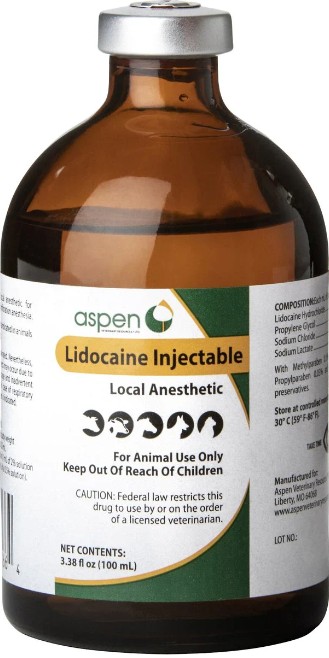
No. Novocaine injection is generally classified as a prescription medication and is intended for use by licensed healthcare professionals. It is not normally sold directly to consumers in most countries. If you are a clinic, hospital, or distributor, you should work with licensed pharmaceutical suppliers or OEM manufacturers who can provide the necessary documentation and meet regulatory requirements. Consumers who require local anesthesia for dental or medical procedures should consult their healthcare provider rather than trying to purchase injectable products on their own.
Yes. Many pharmaceutical companies and OEM clients purchase procaine hydrochloride as an API (powder form) and then have it formulated into sterile injections by a contract manufacturer. When doing so, it is important to partner with a factory that has experience in injectable production, equipped cleanrooms, validated sterilization processes, and strong quality control. The factory should provide full technical documentation, including COA and stability data, and be able to support regulatory submissions in your target market. This model offers flexibility in creating customized products under your own brand.
International buyers often choose Chinese OEM factories because of their combination of cost-effectiveness, production capacity, and integrated services. Chinese manufacturers can handle everything from raw material procurement and formulation optimization to filling, packaging, and export logistics. For foreign clients, this means simplified supply chains, competitive pricing, and easier access to diverse product configurations. Additionally, many Chinese factories are familiar with the documentation and quality standards expected in regions such as the EU and North America, making them capable partners for global projects.
To evaluate a supplier, you should first confirm that the factory operates under recognized GMP standards and possesses relevant certifications. Request and review documents such as GMP certificates, ISO certifications, COA for batches, and quality manuals. If possible, perform or commission an on-site or remote audit to check their facilities, equipment, and quality systems. Ask about their experience with export projects, past client references, and regulatory inspections. It is also recommended to test sample batches in an independent laboratory to verify that the product meets your required specifications for assay, sterility, impurities, and stability.
The lead time for custom OEM orders depends on the complexity of the project and the scale of production, but there are some common timelines. Once specifications are confirmed, producing initial development samples may take a few weeks. After samples are approved and all technical details are finalized, a pilot batch can be manufactured within several additional weeks. For routine commercial batches, lead times of about one to two months are common once the production schedule is established. Registration activities in the destination country, if required, will add extra time, so it is advisable to start planning early and maintain close communication with the OEM factory throughout the process.
Hot tags: Buy Novocaine Injection Online, Novocaine Injection Purchase, Where to Buy Novocaine, Novocaine Injection for Sale, Buy Novocaine Prescription, Novocaine Injection Near Me, Novocaine Injection Price, Novocaine Injection Pharmacy, Buy Novocaine Online, Novocaine Injection Availability