Content Menu
● How Novocaine Works in the Body
● Why You Usually Cannot Buy Novocaine OTC
● Where Patients Get Novocaine
● Where Clinics and Dentists Can Buy Novocaine
● Buying Novocaine Online: Risks and Best Practices
● Novocaine in Modern Practice
● Procaine vs Other Local Anesthetics
● Suggested Visual Content for an Article About Novocaine
● OEM and Bulk Novocaine‑Type Products
● How OEM Buyers Source Novocaine‑Type APIs
● Quality and Compliance Considerations
● Safety, Side Effects, and Responsible Use
● Who Should Consider OEM Novocaine‑Type Cooperation
● FAQ
>> 1. What is the difference between Novocaine and benzocaine?
>> 2. Can I legally buy Novocaine for home use?
>> 3. How do overseas brands source OEM Novocaine‑type products?
>> 4. What documents should a Novocaine OEM supplier provide?
>> 5. Is Novocaine still widely used in dentistry?
Novocaine (procaine) is a classic local anesthetic that is still used in medicine, dentistry, and certain veterinary and research settings, but it is tightly regulated and not sold freely like ordinary over‑the‑counter painkillers. For safety and legal reasons, the right place to buy Novocaine depends on who you are (patient, clinic, dentist, wholesaler, or OEM brand owner) and how you plan to use it.[1][2][3]
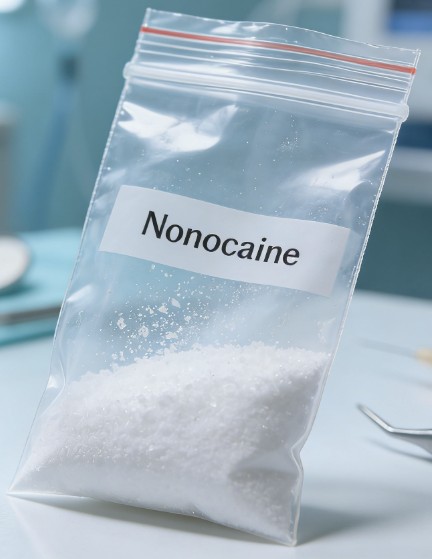
Novocaine is the trade name for procaine hydrochloride, an ester‑type local anesthetic used for local and regional anesthesia. It blocks voltage‑gated sodium channels in nerve membranes, stopping pain signals from being conducted.[2][1]
- It is indicated for local infiltration anesthesia and peripheral nerve blocks in surgery, minor medical procedures, and some pain‑management techniques.[1]
- Unlike benzocaine, Novocaine has no significant topical anesthetic effect on intact skin or mucosa and is usually administered by injection.[2][1]
Novocaine belongs to the same ester family as benzocaine and chloroprocaine, which are widely used for dental, ENT, and minor surgical anesthesia. Its pharmacological profile is characterized by relatively rapid onset but shorter duration compared with many modern amide anesthetics.[2]
Understanding how Novocaine acts helps explain why it must be handled under professional supervision. After injection near a nerve or nerve plexus, procaine diffuses into nerve fibers and binds to voltage‑gated sodium channels from the intracellular side, stabilizing the neuronal membrane so that depolarization and propagation of action potentials are inhibited.[1][2]
- Sensory fibers responsible for pain and temperature are blocked first, with motor fibers affected at higher concentrations or closer proximity.[1][2]
- Because Novocaine is an ester anesthetic, it is rapidly hydrolyzed by plasma pseudocholinesterases into para‑aminobenzoic acid (PABA) and diethylaminoethanol, which shortens its duration and may contribute to allergic reactions in susceptible individuals.[2][1]
This mechanism is effective but demands accurate dosing, correct injection technique, and careful monitoring of the patient's cardiovascular and central nervous systems.[1]
In most countries, injectable Novocaine is classified as a prescription‑only medicine and must be administered by qualified healthcare professionals. Regulatory authorities treat it as a potent pharmaceutical, not as a simple consumer product.[3][1]
- Medical‑grade Novocaine injection (for example 0.25%–2% procaine hydrochloride solutions) is used for infiltration, conduction, epidural, and sometimes spinal anesthesia.[1]
- Systemic absorption can cause central nervous system and cardiovascular toxicity (convulsions, hypotension, arrhythmia, or even cardiac arrest) if dosing and administration are not correctly controlled.[1]
Because of these risks, pharmacies generally do not sell injectable Novocaine directly to consumers; it is supplied to hospitals, clinics, and licensed practitioners under strict regulation. Legal frameworks in many regions also restrict advertising and cross‑border shipment of prescription anesthetics to protect public health.[3][1]
For patients, “where to buy Novocaine” actually means “where to receive safe treatment using Novocaine or similar local anesthetics.”
- Dental clinics: Historically dentists used Novocaine, but many now prefer lidocaine or articaine because they offer faster onset and longer duration with a favorable safety profile.[2]
- Outpatient clinics and hospitals: Procaine may still be used for local anesthesia and as part of nerve‑block or pain‑management procedures, but formulations and protocols are strictly professional‑use only and follow institutional guidelines.[1]
If the goal is pain relief at home, such as temporary relief for toothache, minor skin injuries, or mouth ulcers, over‑the‑counter topical anesthetics containing benzocaine or low‑strength lidocaine are more commonly recommended instead of Novocaine injections. Patients should always consult a healthcare professional before using any anesthetic product, particularly if they have heart disease, allergies, or are taking interacting medications.[4][2][1]
Licensed facilities can source Novocaine from approved pharmaceutical distributors, hospital tender systems, or compliant medical wholesalers.
- Human‑use injectable Novocaine (for example procaine 0.5% in 10 ml ampoules) is sold via medical‑grade distributors and online pharmacy platforms that require proof of professional license and comply with prescription and storage regulations.[3][1]
- Veterinary and research markets also use injectable procaine or combined procaine preparations, but these are labeled and regulated as veterinary or laboratory products and are not intended for unsupervised human use.[5]
Professional buyers should verify the following before placing orders:
- Drug license and GMP status of the manufacturer, including valid inspection certificates
- Product registration or marketing authorization in the target country or region
- Batch‑level certificates of analysis (COA), sterility reports, and stability data to confirm product quality and shelf life[5][1]
Reliable distribution partners also maintain appropriate storage conditions and traceability to ensure that each shipment can be tracked from factory to end user.[1]
Some websites advertise Novocaine or “Novocaine‑like” products for shipment worldwide, but buyers must be careful to distinguish between regulated injection solutions and unregulated or misbranded chemicals.[3]
Key checks for any online purchase of local anesthetics include:
- Clear labeling: The product should be clearly labeled with concentration (for example 0.5%, 1%, 2%), dosage form (solution for injection, powder, or topical formulation), and active ingredient (procaine hydrochloride or alternative).[5][3]
- Consistent documentation: The seller should provide product information that matches standard prescribing data, including indications, dosage, contraindications, and potential adverse effects.[1]
- Credential verification: For clinical use, reputable suppliers will request licenses or prescriptions and will not ship potent injectable medications to unqualified individuals.[3][1]
Unregulated or counterfeit products may contain incorrect active ingredients, wrong concentrations, or harmful contaminants, posing serious safety risks. For unlicensed individuals, ordering injectable Novocaine for self‑injection is medically unsafe and may violate local laws; patients should instead consult a dentist or doctor for appropriate local anesthesia options.[4][1]
Although Novocaine was once the dominant local anesthetic in dentistry and minor surgery, modern practice has shifted toward newer agents.[2]
- Lidocaine, articaine, mepivacaine, and bupivacaine now account for most clinical injections because they offer more predictable onset and duration.[2]
- Procaine remains relevant in specific niche applications, including certain nerve‑block techniques, historical protocols, and some veterinary uses, but its clinical footprint is smaller than in the past.[5][2]
Clinicians choose between these agents based on procedure length, site of injection, patient health status, and potential for allergic reactions. Ester‑type anesthetics like procaine are more likely to be associated with PABA‑related hypersensitivity, which is another reason many professionals favor amide‑type drugs when possible.[2]

Many buyers searching for Novocaine ultimately decide to use other local anesthetics that are more widely available or better suited to modern protocols.[2]
| Aspect | Procaine (Novocaine) | Benzocaine | Lidocaine |
|---|---|---|---|
| Drug class | Ester local anesthetic (injectable) | Ester local anesthetic (topical) | Amide local anesthetic |
| Typical use | Infiltration and nerve block anesthesia | Topical gel/spray, dental and OTC pain relief | Dental, minor surgery, topical creams/patches |
| OTC availability | Rare, usually prescription/professional only | Common in OTC oral and skin products | Low‑strength OTC; higher strengths Rx‑only |
| Onset/duration | Rapid onset, relatively short duration | Fast surface anesthesia; no injection use | Fast onset, longer duration than procaine |
| Typical buyers | Clinics, hospitals, OEM brands | OTC brands, dental OEMs, cosmetic manufacturers | Hospitals, clinics, topical OEM brands |
This is why many OEM buyers today request benzocaine and lidocaine formulations instead of classic Novocaine, especially for consumer and dental products. For brands building a new product line, understanding these differences is crucial when defining their positioning and regulatory strategy.[6][7][4][2]
To make a webpage about Novocaine more engaging for international readers, multiple types of visual content can be integrated into the text.
- Educational diagrams showing how local anesthetics block sodium channels in nerve fibers and reduce pain perception.[2][1]
- Infographics comparing ester versus amide local anesthetics, highlighting procaine, benzocaine, and lidocaine in terms of onset, duration, and application scenarios.[2]
- Professional photographs or renders of sterile injection ampoules, vials, and packaging, clearly displaying strength, volume, and labeling details.[3][1]
- Factory environment photos showing clean rooms, reactors, packaging lines, and in‑house laboratories that emphasize quality management and GMP alignment for OEM clients.[7][6]
Short videos can further improve trust and clarity:
- Explainer videos describing the differences between injectable Novocaine for professionals and OTC topical anesthetics for home use, including clear safety warnings.[4][1]
- OEM journey videos for B2B customers, showing each step from inquiry, formulation development, sample confirmation, pilot production, quality testing, to bulk export shipments.[6][7]
Using such visual elements can increase user engagement, support brand professionalism, and help visitors quickly understand complex technical information.[4][2]
For brand owners, wholesalers, and manufacturers, “where to buy Novocaine” often means where to source bulk procaine or related anesthetic powders and formulations under OEM or contract manufacturing arrangements.[7][6]
A professional Chinese factory such as SupplyBenzocaine focuses on customized production of local anesthetic APIs and related pain‑relief ingredients for international markets.[6][7]
- Product scope: benzocaine, procaine, lidocaine, and similar APIs and intermediates for pharmaceutical, dental, veterinary, cosmetic, and research applications.[7][6][2]
- Services: OEM/ODM formulation design, private‑label packaging, white‑label bulk supply, and customized specifications for capsules, gels, sprays, and solutions according to client requirements.[6][7]
These B2B services target:
- Overseas pharmaceutical manufacturers seeking stable API sources
- Dental product brands and regional wholesalers that need customized anesthetic lines
- E‑commerce and private‑label businesses that require flexible minimum order quantities and tailored packaging solutions[7][6]
By working with an experienced OEM partner, foreign brands can reduce development time, optimize cost structures, and focus resources on marketing and distribution in their home markets.[6][7]
For foreign brand owners, wholesalers, and manufacturers, the sourcing route usually follows a structured process.
- Step 1 – Define product concept: Decide whether to use procaine (Novocaine), benzocaine, or lidocaine, what dosage form is needed (powder, solution, gel, aerosol), and which regulatory market you plan to enter.[1][2]
- Step 2 – Regulatory mapping: Identify the classification of your product (medicine, medical device accessory, cosmetic, veterinary drug, or research chemical) and the registration pathway in each target country.[4][1]
- Step 3 – Choose a compliant OEM factory: Look for a Chinese factory with strong R&D, bulk production capacity for benzocaine/procaine/lidocaine, and experience serving overseas clients with customized OEM and documentation support.[7][6]
- Step 4 – Sample and pilot batches: Request representative samples and small pilot runs to confirm product quality, stability, and packaging suitability before large‑scale orders.[6][7]
- Step 5 – Scale‑up and long‑term cooperation: Once quality and compliance are confirmed, agree on long‑term supply contracts, pricing, and quality‑agreement frameworks to secure stable production.[7][6]
Throughout this process, open communication about specifications, analytical methods, and regulatory expectations is essential for avoiding delays and non‑compliance.[6][1]
When buying Novocaine or any related local anesthetic in bulk, quality assurance is critical and directly affects brand reputation and regulatory risk.[1]
Key aspects include:
- Pharmaceutical‑grade purity: Procaine hydrochloride APIs should meet pharmacopeial criteria (for example EP/USP/CP) for identity, assay, impurity profile, water content, heavy metals, and residual solvents.[1]
- GMP‑aligned manufacturing: OEM factories should operate under documented quality systems with validated cleaning procedures, controlled environments, and routine internal and external audits.[7][6]
- Documentation: Professional suppliers provide COA, MSDS, process descriptions, validation reports, and, if needed, DMF‑style technical dossiers to support registration and regulatory inspections.[6][7]
For finished injectable products, additional requirements include sterility validation, endotoxin testing, particulate matter control, and real‑time and accelerated stability studies. Reliable manufacturers emphasize batch consistency, traceability from raw materials to finished product, and robust after‑sales technical support for their international partners.[7][6][1]
Any buyer or user of Novocaine must understand basic safety considerations.[2][1]
Common and potential adverse reactions include:
- Local reactions such as pain, swelling, or hematoma at the injection site
- Systemic effects such as dizziness, tinnitus, numbness around the mouth, tremors, or seizures at high blood levels[1]
- Cardiovascular reactions such as hypotension, bradycardia, or arrhythmias in cases of overdose or accidental intravascular injection[1]
Allergic reactions may range from skin rashes to anaphylactoid responses, especially in patients sensitive to PABA derivatives. Proper resuscitation equipment and trained personnel must always be available when Novocaine is used clinically, which is another reason it is not a product for casual consumer purchase.[2][1]
Patients should always inform their healthcare providers about existing medical conditions, pregnancy or breastfeeding status, and medications such as antiarrhythmics or other local anesthetics before receiving Novocaine.[4][1]
Not every business needs direct access to Novocaine or procaine; however, certain categories benefit significantly from OEM partnerships.[6][7]
- Dental product brands that want to develop full anesthetic ranges including benzocaine gels, topical sprays, and professional‑use solutions.[7][2]
- Pharmaceutical companies and regional distributors expanding their portfolio with local anesthetic injections, oral preparations, or combination products, subject to local registration.[6][1]
- Veterinary product companies that require procaine‑containing formulations tailored to specific animal species or procedures.[5]
- Research chemical providers that supply high‑purity procaine and related compounds for laboratory and academic use, clearly labeled as not for human use where appropriate.[7][2]
For all of these segments, a high‑quality Chinese OEM factory offers flexible production scales, cost‑effective manufacturing, and technical support for documentation and quality control.[6][7]
Novocaine (procaine) remains an important local anesthetic, but it is not a casual consumer product and must be handled as a tightly regulated injectable drug under professional supervision. Patients should obtain Novocaine or its modern alternatives only through licensed dentists and doctors, while professional buyers and brand owners should source procaine and related APIs through compliant OEM manufacturers with proven quality systems and regulatory experience.[3][6][2][1]
A specialized Chinese factory such as SupplyBenzocaine can provide customized benzocaine, procaine, and lidocaine powders and formulations for overseas brands, wholesalers, and manufacturers in biotechnology, pharmaceuticals, medical devices, and health‑product sectors. To discuss tailored Novocaine‑type solutions, private‑label dental anesthetic products, or bulk local anesthetic APIs, potential partners are encouraged to send detailed requirements (target market, dosage form, packaging needs, and annual volume), so that a dedicated specialist can respond with a customized quotation and technical support proposal.[7][6]

Novocaine is injectable procaine hydrochloride used for local and regional anesthesia, primarily in clinical settings and administered by professionals. Benzocaine is a topical ester anesthetic commonly formulated as gels, sprays, or lozenges for surface pain relief in dental and OTC products that consumers can use at home under label guidance.[2][1]
In most jurisdictions, injectable Novocaine is prescription‑only and restricted to professional use, so it is not legally sold to the general public for self‑injection or cosmetic purposes. Consumers seeking short‑term pain relief at home typically use OTC products with benzocaine or low‑strength lidocaine instead, following label directions and safety alerts about methemoglobinemia and other risks.[4][3][2][1]
Overseas brands usually cooperate with specialized factories that produce benzocaine, procaine, and lidocaine as APIs and finished formulations under OEM or ODM contracts. The OEM partner provides R&D, scale‑up, manufacturing, quality control, documentation, and packaging services tailored to the client's private‑label specifications and target regulatory markets.[6][7]
Professional suppliers should offer certificates of analysis, MSDS, manufacturing licenses, and quality‑system documentation, and, if needed, support for registration dossiers such as DMF‑style files. For injectable human‑use products, additional sterility validation, stability data, and regulatory filings are essential to satisfy health authorities, hospital buyers, and distributors.[7][6][1]
Novocaine was historically popular in dentistry but has largely been replaced by lidocaine and articaine, which provide a better balance of onset time, duration, and safety in modern dental practice. However, procaine and related ester anesthetics remain relevant in some medical, dental, veterinary, and research applications, especially where specific pharmacological properties or historical protocols are desired.[2][1]
[1](https://dailymed.nlm.nih.gov/dailymed/fda/fdaDrugXsl.cfm?setid=c80c810a-60e0-49bd-139c-95aec3a286fc)
[2](https://pocketdentistry.com/the-use-of-local-anesthetic-agents-in-medicine/)
[3](https://ru-pills.com/product/novocaine-0-5-10-ml-10-pcs/)
[4](https://www.drugoffice.gov.hk/eps/upload/eps_news/53117/ZH/1/News%20bulletin%2027%20Mar%202024%20(Lignocaine).pdf)
[5](https://en.loopyvet.com/product/novokainu-rozchin-2-50-ml/)
[6](https://www.supplybenzocaine.co.uk)
[7](https://www.benzocainefactory.com)
hot tags: Buy Novocaine Online, Novocaine Purchase Options, Where To Buy Novocaine, Novocaine Near Me, Novocaine Retailers, Buy Novocaine Prescription, Novocaine Availability, Novocaine Online Pharmacy, Novocaine Purchase Locations, Novocaine Buying Guide