Content Menu
● Local Supply Chains: How to Find Procaine Near You
>> Licensed Pharmacies and Medical Supply Stores
>> Veterinary Clinics and Agricultural Suppliers
>> Wholesale and Industrial Distributors
>> Online Chemical and Pharmaceutical Marketplaces
● Key Considerations When Buying Procaine Locally
>> Regulatory Compliance and Prescription Requirements
>> Quality Assurance and Supplier Verification
>> Intended Use and Limitations on Sales
>> Import and Export Restrictions
● OEM and Private Label Opportunities for Procaine
● Step-by-Step Guide to Buying Procaine Locally
● FAQ
>> 1. What is Procaine used for?
>> 2. Can I buy procaine without a prescription locally?
>> 3. How do I ensure the quality of procaine from local or online suppliers?
>> 4. What is the difference between procaine hydrochloride and other forms?
>> 5. What steps are involved in OEM production for procaine?
Procaine, commonly known by its brand name Novocain, is a widely used local anesthetic in both medical and veterinary practices. Its rapid onset and effectiveness in numbing targeted areas during procedures ranging from dental surgeries to livestock operations make it highly sought after by physicians, veterinarians, researchers, and distributors worldwide. Understanding the best avenues to purchase procaine locally requires knowledge of the supply chain, regulatory environment, and reliable sourcing methods. This comprehensive guide will help you navigate these aspects, providing detailed insights on where and how to buy procaine safely and legally, including options for OEM (Original Equipment Manufacturer) services tailored for businesses.
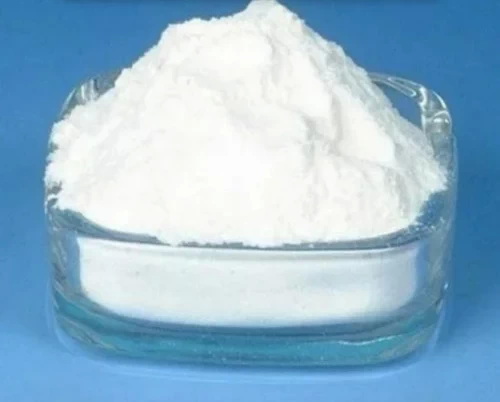
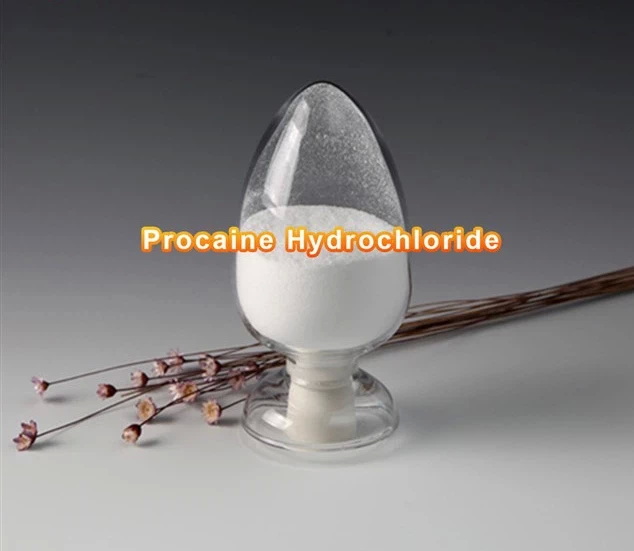
Procaine is a synthetic ester-type local anesthetic first synthesized in the early 20th century. It functions by blocking nerve signals in a targeted area of the body, effectively numbing tissue to reduce pain during surgical, dental, or minor procedural interventions. Its hydrochloride salt form, procaine hydrochloride, is the most commonly used variant, typically administered via injection for both human and veterinary medicine.
Procaine is favored for its relatively rapid onset, moderate duration of action, and lower potential for allergic reactions compared to some other anesthetics. It remains a vital drug in various health sectors and agricultural uses, including in livestock sedation and minor veterinary operations.
One of the most direct ways to obtain procaine locally is through licensed pharmacies and certified medical supply stores. These establishments generally stock pharmaceutical-grade procaine hydrochloride in injectable form, accessible to healthcare practitioners and patients upon presentation of a valid prescription.
In countries with mature healthcare systems, such as the United Kingdom and China, hospital pharmacies maintain regulated inventories of procaine for medical use, ensuring compliance with local drug regulations. Local pharmacists can also guide patients or practitioners on availability and legal requirements.
Procaine's significance extends beyond human medicine into veterinary and agricultural domains. Veterinary clinics, particularly those servicing rural or farming communities, often hold stocks of procaine intended for livestock anesthesia and minor surgical procedures.
These veterinary products may be marketed under alternative brand names but contain procaine hydrochloride as the active ingredient. Agricultural suppliers or specialized veterinary pharmaceutical distributors are good local resources for procuring procaine for animal use, especially for farmers requiring anesthesia for large animals during medical interventions.
For buyers with higher volume needs, such as hospital networks, research institutions, or pharmaceutical manufacturers, wholesale and industrial distributors present viable local purchasing options. These distributors often establish relationships with foreign and domestic manufacturers, importing bulk quantities of procaine in various forms—powder, solution, or pre-prepared injectable ampoules.
Organizations looking to secure steady, cost-effective procaine supplies may benefit from negotiating with such distributors or setting up direct collaborations with manufacturers, particularly those located in China, where significant production capacity exists.
In recent years, verified online marketplaces specializing in chemicals and pharmaceuticals have become important sources for procuring procaine. Many platforms list verified manufacturers and distributors offering procaine hydrochloride in research-grade or pharmaceutical-grade quality.
These platforms allow buyers to request quotes, compare certifications, and arrange shipments internationally while ensuring compliance with import/export regulations. However, buyers should exercise caution, confirming the legitimacy of suppliers and the intended legal use of the purchased substances, as many sellers restrict sales to research or industrial purposes only.
A major consideration in purchasing procaine locally is understanding the regulatory framework governing controlled substances and pharmaceutical products. In most countries, procaine is classified as a prescription-only medication to prevent misuse and ensure patient safety. Health professionals must provide prescriptions or licenses to purchase or administer procaine legally.
For veterinary use, procurement also typically requires veterinary prescriptions or proof of legitimate agricultural needs. Buyers must adhere strictly to these legal mandates to avoid penalties or seizure of shipments.
Purchasing procaine from certified suppliers is critical to ensuring safety and efficacy. Buyers should confirm that the supplier holds GMP (Good Manufacturing Practice) certifications and provides transparent product documentation, such as Certificates of Analysis and Drug Master Files.
Avoiding unverified sources or gray-market suppliers minimizes the risks of counterfeit, contaminated, or substandard products that could jeopardize patient health or experimental validity.
Many suppliers, especially those operating internationally or online, limit sales of procaine to research purposes only. It is essential to declare the intended use of procaine upfront and comply with supplier terms and local regulations.
Medical or veterinary institutions will need to provide the appropriate licenses, while industrial and research buyers may need to demonstrate compliance through institutional certifications or use agreements.
If sourcing procaine from international suppliers, buyers must be aware of import and export controls. Certain countries require import permits, customs declarations, or special certifications, especially when shipping pharmaceutical substances.
Working closely with suppliers and logistics providers can help navigate these requirements, ensuring smooth and legal delivery of procaine.
Businesses wishing to market procaine products under their own brand can leverage OEM partnerships with manufacturing factories, primarily in China. These partnerships offer numerous advantages:
- Customization: Tailored formulations, including various strengths, packaging options (ampoules, vials, powder), and delivery formats.
- Regulatory Compliance: Factories assist in meeting compliance with pharmacopoeia standards such as BP (British Pharmacopoeia), USP (United States Pharmacopeia), or EP (European Pharmacopoeia).
- Branding: Private label services enable businesses to develop unique packaging and branding strategies to differentiate themselves in competitive markets.
- Cost Efficiency: Large volume production reduces unit costs, allowing for competitive pricing in different market segments.
- Supply Stability: Long-term collaborations secure reliable and consistent product availability.
OEM partnerships also typically involve thorough quality control, documentation support, and ongoing technical assistance to ensure product success in the target market.
1. Determine Your Intended Use: Define whether procaine is needed for human medical application, veterinary care, research, or manufacturing.
2. Gather Necessary Documentation: Acquire licenses, prescriptions, or institutional verification required by law or supplier policy.
3. Research Potential Suppliers: Identify local pharmacies, veterinary clinics, distributors, or online marketplaces.
4. Verify Certifications: Insist on GMP compliance, quality certifications, and proper documentation for all purchases.
5. Specify Product Requirements: Clarify if ampoules, bulk powder, or custom formulation is required.
6. Negotiate Terms and Pricing: Especially for bulk or OEM orders, negotiation may yield better pricing and service.
7. Ensure Regulatory Compliance: Confirm all local laws, import/export rules, and prescription requirements are met to avoid delays or legal issues.
8. Place Order and Arrange Delivery: Work with the supplier to select secure, timely shipping options, with tracking and clarity on customs.
9. Inspect Product Upon Arrival: Verify product integrity, labeling, and batch information before use or distribution.
By following these steps, buyers can streamline the procurement process and guarantee safety and legality.
Accessing high-quality procaine locally is achievable through a variety of channels ranging from licensed pharmacies and veterinary clinics to wholesale distributors and specialized online marketplaces. Understanding the legal framework, quality assurances, and intended usage is vital to avoid pitfalls related to counterfeit products or regulatory non-compliance.
For businesses interested in OEM or private label solutions, partnering with certified manufacturers, particularly in China, offers customizable, cost-effective options that ensure both compliance and brand distinctiveness. Whether you are a healthcare provider, veterinarian, researcher, or brand owner, sourcing procaine through reliable and certified supply chains guarantees safety, consistency, and peace of mind.
Ready to elevate your procaine supply chain? Contact our expert team today for personalized consultation and free quotations. Let us support your business growth and healthcare delivery with trusted, high-quality procaine solutions tailored to your specific needs.
Procaine is primarily used as a local anesthetic to numb specific areas during medical and dental procedures in humans, as well as for surgical or pain management purposes in veterinary medicine particularly for livestock. It temporarily blocks nerve signals to provide pain relief.
In most countries, procaine is a prescription-only medicine for safety reasons and cannot be legally purchased without a valid prescription or veterinary license. Research-grade or industrial-grade procaine might be available for scientific or manufacturing use but cannot be used for medical treatment without proper authorization.
Always choose GMP-certified suppliers with reputable track records. Request Certificates of Analysis and product documentation, and avoid unverified or suspicious sellers to prevent risks associated with counterfeit or substandard products.
Procaine hydrochloride is the water-soluble salt form commonly used in injectable preparations. Other forms may vary in solubility, purity, or intended application but procaine hydrochloride remains the standard for clinical use.
OEM production involves collaborating with a manufacturer to produce procaine products under your brand name. This includes customization of formulation, packaging, quality assurance, and compliance with relevant pharmacopoeia standards. The manufacturer handles production and regulatory documentation while you focus on branding and marketing.
Hot tags: Buy Procaine Near Me, Local Procaine Suppliers, Procaine Available At Local Pharmacy, Procaine Injection Near Me, Procaine Purchase Local Area, Local Drugstores Selling Procaine, Find Procaine Near You, Where To Find Procaine Locally, OTC Procaine Nearby, Local Procaine Powder Sellers