Content Menu
● The Legal and Regulatory Basis for Paracetamol Pack Limits
● Why Are There Pack Size and Sales Limits on Paracetamol?
>> The Dangers of Paracetamol Overdose
>> Reducing Risk Through pack Size Limitations
● How Do Paracetamol Regulations Differ Across Regions?
>> Australia
● The Impact of Restrictions: Effectiveness and Challenges
>> Positive Outcomes and Evidence from Research
>> Remaining Challenges and Criticism
● The Role of Responsible Manufacturing and Wholesale in Safe Medicine Supply
● Frequently Asked Questions (FAQ)
>> 1. Why is paracetamol purchase limited to only 2 packs per customer?
>> 2. Are pack sizes and purchase limits the same worldwide?
>> 3. Can people with chronic conditions obtain more paracetamol if needed?
>> 4. Do these restrictions apply to children's paracetamol products?
>> 5. Have these restrictions been proven effective in reducing harm?
Paracetamol, also widely known as acetaminophen, stands as one of the most commonly used painkillers worldwide. Its effectiveness and accessibility make it a household staple for alleviating headaches, fever, muscle pains, and a variety of other mild to moderate aches. Despite its ubiquity and over-the-counter availability, there is a striking limitation encountered by consumers in many countries—particularly in the United Kingdom and Australia—where you can only purchase two packs of paracetamol at a time. This limitation often puzzles consumers and raises questions about the safety, regulations, and the implications behind such a restriction.
This article explores the reasons behind the two-pack purchase limit for paracetamol—covering legal regulations, public health concerns, the dangers of overdose, regional differences, and the practical effects on consumers and manufacturers. We also focus on the roles of responsible pharmaceutical producers and distributors in ensuring safety and compliance.
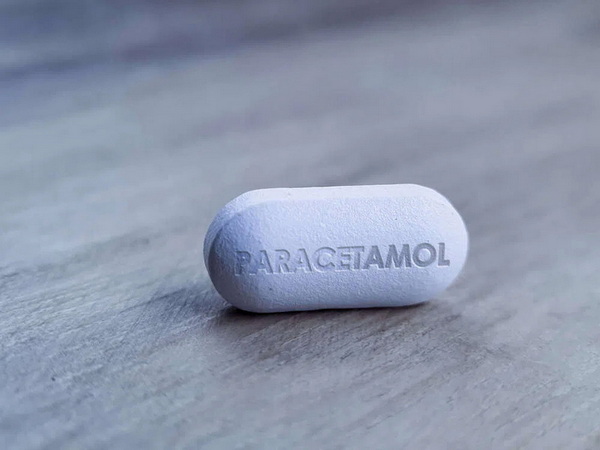
The restriction of purchasing only two packs per transaction is not arbitrary but stems from a careful balance of consumer safety and public health objectives. In the UK and Australia, as well as many other jurisdictions, regulatory bodies have set guidelines that retailers must follow regarding the sale of paracetamol-containing products.
The fundamental rule is that a customer can purchase no more than two packs of paracetamol or related analgesics in a single transaction. This applies regardless of whether the purchase occurs in a supermarket, pharmacy, or other retail settings. There are slight variations concerning pack sizes allowed in different sales venues—for example, supermarkets generally stock smaller pack sizes compared to pharmacies, which may offer larger packs under controlled conditions.
The UK's Medicines and Healthcare Products Regulatory Agency (MHRA) and Australia's Therapeutic Goods Administration (TGA) provide these guidelines to reduce health risks associated with excessive intake of paracetamol. Additionally, the law prohibits multi-buy promotions for paracetamol products to avoid encouraging bulk purchases. These regulations aim to limit quick and easy access to large quantities, which could otherwise facilitate misuse.
In pharmacies, pharmacists have the discretion to sell larger quantities (for instance, packs containing up to 100 tablets), but only after careful consultation with the customer and appropriate oversight, ensuring that patients with chronic pain or legitimate needs can access medication safely and responsibly.
Although paracetamol is safe when used correctly, the drug can cause serious harm and even death if overdosed. The key concern driving pack size and purchase restrictions is the prevention of overdose, whether accidental or intentional.
Paracetamol overdose is a major cause of acute liver failure worldwide. It can lead to irreversible liver damage, requiring liver transplantation in severe cases, and is potentially fatal if not treated quickly.
The typical recommended dose for adults is 4,000 milligrams per day, but even slight overdoses can be dangerous, particularly if repeated over a few days. Many overdoses result not from intentional misuse but from accidental consumption of multiple products containing paracetamol or taking more than the recommended dose due to misunderstanding or miscalculations.
In the UK, paracetamol-related poisoning is a significant health issue, historically causing hundreds of deaths annually. Similar trends are observed in Australia, where paracetamol overdose is a leading cause of hospital admissions related to drug poisoning, with many cases linked to self-harm or suicide attempts.
Limiting the quantity sold in a single transaction dramatically reduces the amount of paracetamol immediately available to a person, particularly during impulsive moments of self-harm or confusion leading to overdose. Smaller pack sizes and sales limits reduce the likelihood of large ingestion episodes that have severe health consequences.
Restrictions also help limit the stockpiling of paracetamol in households, making it less likely for accidental overdoses to occur, especially among children or elderly individuals who might inadvertently consume excessive amounts.
Furthermore, because paracetamol is widely available in multiple formulations—including cold and flu remedies with added ingredients—pack size and purchase restrictions help prevent the cumulative intake of paracetamol from multiple sources.
In the UK, paracetamol regulations limit the sale to two packs per customer per transaction. Usually, packs available at supermarkets contain 16 tablets, while pharmacies may stock larger packs, commonly 32 tablets. For users requiring more medication due to chronic conditions, pharmacists can authorize larger sales after consultation.
European countries frequently follow similar guidelines under their national health agencies' supervision. The UK's approach includes banning multi-buy deals such as “buy one get one free," a move designed to discourage customers from purchasing excessive quantities of painkillers.
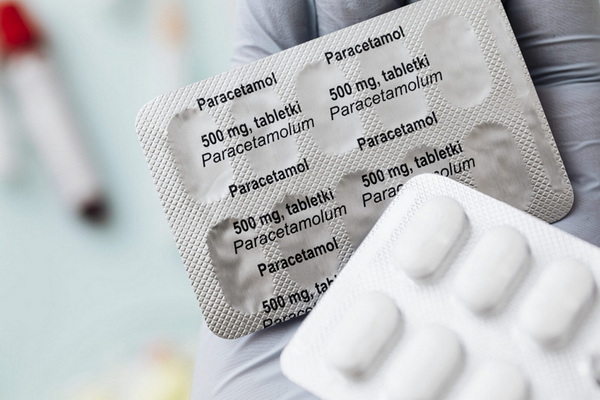
Australia adopted even stricter regulations in recent years. General retail stores and supermarkets sell small packs, typically with 16 tablets in blister packs, with stricter limits on quantities per sale. Paracetamol must be sold in tamper-evident blister packaging (avoiding bottles with screw caps) to reduce easy overdose risk.
Pharmacists in Australia can still dispense larger quantities, but these are kept behind the counter and are subject to consultation procedures. Certain states apply their own additional restrictions, reinforcing the importance of controlled access.
Children's paracetamol formulas are generally exempt from these restrictions, acknowledging their special role and dosage requirements. However, many combination cold and flu products containing paracetamol are subject to the same limits as standalone products.
The introduction of pack size restrictions and sales limits has shown significant benefits:
- In the UK, after legislation limiting the size and number of paracetamol packs sold, hospitals reported a noticeable drop in paracetamol poisoning cases. Deaths and large overdoses decreased substantially within the years following the introduction of these laws.
- Australian studies since recent regulatory changes indicate improvements in safe medication use and a reduction in impulsive overdose cases due to the difficulty of accessing large volumes quickly.
These positive health outcomes illustrate that regulating access to paracetamol works as an effective deterrent to some of the most harmful outcomes of overdose.
Despite the success, there are some concerns:
- For individuals with chronic or severe pain requiring long-term paracetamol use, the restrictions can mean more frequent trips to pharmacies, which can be inconvenient and sometimes costly.
- Determined individuals may attempt to circumvent restrictions by purchasing from multiple stores, though this tends to reduce impulsive overdose incidents.
- Some argue that while limiting pack sizes reduces overdose risk, it does not address the broader mental health issues behind intentional overdoses, underscoring the need for holistic approaches including counseling and support services.
Companies involved in the production and supply of paracetamol and related healthcare products have a critical role in supporting these regulations and the overarching goal of public safety.
High standards in manufacturing, packaging, and distribution are essential to ensure that all products comply with national and international regulations regarding pack sizes, labeling, and patient information.
At supplybenzocaine.co.uk, we specialize in providing OEM services for biotech, pharmaceutical, and medical device sectors. We support our international clients by delivering products that meet strict adherence to legal frameworks while ensuring safety and quality. Our comprehensive approach includes:
- Packaging that complies with blister-pack requirements and tamper-evident standards.
- Providing clear informational leaflets that guide consumers on safe dosage and potential risks.
- Regulatory support services to navigate complex, variable laws across different markets.
- Quality assurance procedures from raw material sourcing through to final packaging.
By working closely with brands, wholesalers, and producers, we help create safer medicine ecosystems that protect consumers and support public health initiatives worldwide.
The limit on purchasing two packs of paracetamol per transaction is a carefully considered public health strategy designed to minimize the risks associated with overdose—an avoidable and dangerous outcome that can lead to severe liver damage and even death. While paracetamol remains an essential, low-risk medicine when used correctly, controlling its availability helps reduce both accidental misuse and impulsive self-harm.
Effective regulation requires cooperation between manufacturers, retailers, healthcare professionals, and consumers alike. With responsible supply chain practices and compliance with packaging and sales rules, companies like supplybenzocaine.co.uk contribute significantly to these goals by supporting safe medicine distribution across global markets.
If you are a brand owner, wholesaler, or manufacturer seeking to ensure compliance with evolving paracetamol regulations, or interested in responsible OEM pharmaceutical production, do not hesitate to contact us. Together, we can ensure access to life-saving medicines is both safe and effective.
Limiting the purchase quantity reduces the risk of overdose by restricting access to large amounts of paracetamol at once. This protective measure helps prevent accidental poisonings as well as impulsive self-harm by making it harder to quickly consume dangerous amounts.
No, they vary by region. The UK and Australia have set specific maximum pack sizes and sales limits tailored to their public health policies. For example, supermarkets usually sell smaller packs with stricter limits, while pharmacies may supply larger packs under supervision.
Yes. Pharmacists can approve the sale of larger quantities up to a specified limit (often 100 tablets) after proper consultation with the patient, ensuring those with continued pain management needs are supported responsibly.
Generally, children's paracetamol formulations are exempt from these pack size and sales restrictions, recognizing their necessity and different dosing needs. However, combination cold and flu products that contain paracetamol typically follow the same sales regulations as adult products.
Studies and health data from countries with these regulations show lowered rates of paracetamol-related hospital admissions, poisonings, and deaths, signaling that these sales limits contribute meaningfully to public safety efforts.