Content Menu
● What Is Paracetamol and Why Is It Regulated?
● Legal Limits and Best Practice Guidelines
● The Public Health Reason: Preventing Overdose and Suicide
● Why Supermarkets and Pharmacies Follow Strict Limits
● International Trends in Paracetamol Pack Size Control
● What This Means for Consumers
● Implications for Retailers and Pharmacists
● OEM Paracetamol and Pain Relief Products From China
● FAQ
>> 1. Why do supermarkets only sell two packs of paracetamol?
>> 2. Is it illegal to buy more than two packs of paracetamol?
>> 3. Why is paracetamol considered dangerous in overdose?
>> 4. Can pharmacies supply larger quantities for chronic pain patients?
>> 5. How can OEM manufacturers help brands comply with pack size rules?
In many countries, especially the UK and some Commonwealth markets, most retailers will only sell up to two packs of paracetamol in a single transaction to reduce the risk of accidental or intentional overdose. This limit is part law and part “best practice” guidance that supermarkets and pharmacies follow to protect public health while keeping this essential painkiller widely available.[1][2][3][4]
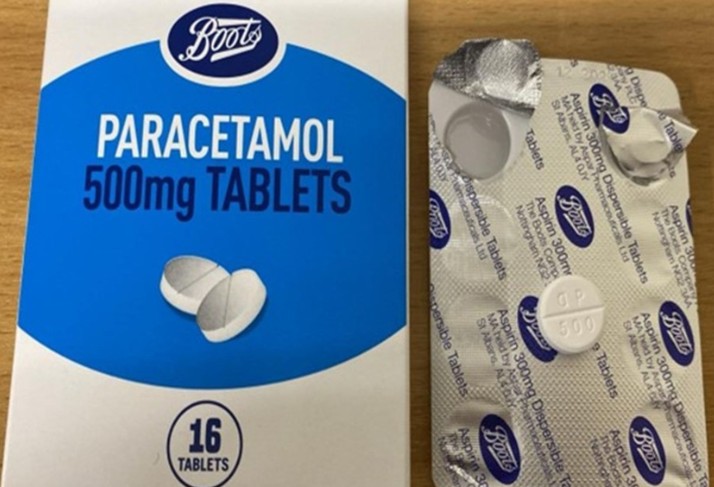
Paracetamol (also called acetaminophen) is one of the most commonly used medicines for pain relief and fever reduction worldwide. When taken at the recommended dose, it is very effective and generally safe, but even a relatively small overdose can cause severe and sometimes fatal liver damage.[5][6][7]
- Many overdoses are impulsive, occurring with tablets already stored at home, rather than pre-planned purchases.[3][6]
- Public health authorities found that simply limiting how many tablets can be bought or held at home can significantly reduce the number and severity of overdoses.[6][8][5]
Even small changes in availability can make a big difference to outcomes, because paracetamol poisoning often progresses silently. People may feel relatively well for several hours after taking too much and delay going to hospital, which reduces the effectiveness of antidote treatments such as N‑acetylcysteine.[9][6]
The “two pack” rule comes from a mix of legal restrictions on pack sizes and voluntary guidance on how many packs retailers should sell at once.[10][1]
- In the UK, supermarket packs are generally limited to 16 tablets, while pharmacies can sell up to 32‑tablet packs without a prescription.[11][3][9]
- It is illegal to sell more than 100 tablets or capsules of paracetamol (or aspirin) in a single retail transaction, even in a pharmacy.[2][3]
Regulators issue detailed best practice documents for retailers and pharmacists:
- Authorities advise against selling multiple packs of paracetamol or other analgesics in one transaction, particularly outside a pharmacy setting.[4][1][10]
- Multi‑buy promotions such as “3 for 2” or “buy one get one free” are strongly discouraged or proposed for legal restriction because they encourage unnecessary accumulation at home.[12][2][4]
Professional bodies, such as the Royal Pharmaceutical Society (RPS), continue to call for stronger, enforceable rules to replace purely voluntary codes. Their position is that consistent limits across retailers protect vulnerable people more effectively and reduce confusion for staff and consumers.[2][4][12]
The core reason you can only buy two packs of paracetamol is to make dangerous overdoses harder and less impulsive.[7][6]
- Authorities found that many serious overdoses used paracetamol that was easily available in large quantities at home, including packs bought on previous shopping trips.[3][6][9]
- Limiting pack sizes and transaction quantities forces anyone seeking a very large dose to visit multiple stores or pharmacies, adding time and inconvenience that can interrupt impulsive attempts.[6][7]
Research after the UK's 1998 legislation restricting pack sizes showed measurable benefits:
- A reduction in deaths from paracetamol poisoning and fewer liver transplants related to paracetamol overdose.[9][6]
- Fewer extremely large overdoses, which translates into better survival and less need for intensive care treatment.[6]
This strategy fits within broader suicide prevention frameworks that also address access to other means of self‑harm, such as pesticides, firearms or certain high‑risk medicines. By quietly “engineering” the environment, public health authorities reduce the chance that a moment of crisis ends in irreversible harm.[2][9][6]
Not all restrictions come directly from hard law; many retailers follow “voluntary” rules that, in practice, are treated as strict policy at the checkout.[1][4][7]
- The UK's best practice guidance asks retailers to limit sales of pain relief tablets to a maximum of two packs per transaction and to avoid multi‑buy offers.[4][10][1]
- Professional guidance also recommends staff training so that checkout operators understand why they must refuse sales that exceed set limits.[10][4]
For supermarkets and pharmacies, following these guidelines:
- Reduces legal and reputational risk if an overdose case is linked to excessive sales from their stores.[1][4]
- Demonstrates a responsible approach to medicine supply and aligns the business with national safety and suicide‑prevention strategies.[10][2]
Some retailers apply even tighter internal rules, such as limiting customers to one pack of any single painkiller or flagging frequent high‑risk purchases. These measures are often supported by professional pharmacy bodies and patient safety advocates.[7][4][2]
Pack size and quantity limits are not only a UK phenomenon; similar moves appear in other countries as authorities learn from the UK experience.[8][13][5]
- In Australia, new rules from 2025 reduce supermarket packs from 20 tablets to 16, and make larger packs (over 50 tablets) pharmacist‑only and kept behind the counter.[13][14][5]
- Non‑pharmacy retailers are being encouraged or required to limit paracetamol to one small pack per transaction, with pharmacists managing larger quantities for chronic conditions.[14][5]
These reforms explicitly refer to international evidence:
- Evaluations show that restricting pack sizes and strengthening pharmacy oversight lead to fewer serious poisonings and deaths.[5][8]
- Authorities also emphasise reducing accidental overdoses in households where multiple packs were stored without clear dose tracking or professional advice.[8][13][5]
Other jurisdictions, including parts of Europe, are reviewing their own over‑the‑counter analgesic policies, considering the balance between convenience, cost and safety. For global brands, this creates a complex landscape of different maximum pack sizes, labelling standards and point‑of‑sale rules to follow.[13][5][8]
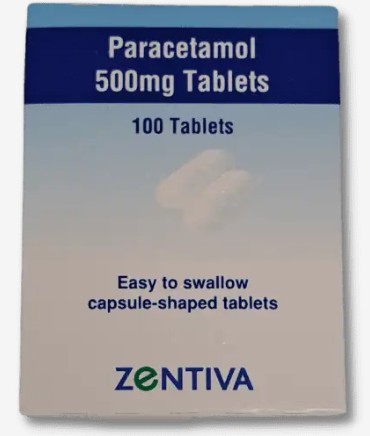
For ordinary consumers, the main impact is that buying large quantities of paracetamol in one go is more difficult, especially in supermarkets and convenience stores.[11][3][2]
- For short‑term pain or fever, one or two small packs are normally enough, so retail limits rarely interfere with genuine medical need.[5][8]
- For chronic pain or long‑term conditions, pharmacists and prescribers can arrange larger packs or repeated supplies, with counselling on safe dosing and interactions.[9][13][5]
Consumers benefit from clearer labelling and safety information:
- Modern packs typically highlight maximum daily doses, warning symptoms and advice to seek medical help promptly after an overdose.[5][9]
- Some markets encourage or require child‑resistant packaging and blister formats to slow down access to large numbers of tablets at once.[8][5]
Understanding why the “two pack” rule exists helps reduce frustration at the checkout and reinforces responsible attitudes to all over‑the‑counter medicines, not just paracetamol.[4][2]
Retailers and pharmacists operate at the front line of medicine safety, so clear, practical policies are essential.[4][10]
- Supermarkets must configure tills and self‑checkout systems to block transactions that exceed approved pack limits, with override options kept to a minimum.[1][4]
- Staff need training to explain policies politely, manage challenging interactions, and refer customers with genuine medical needs to an in‑store pharmacist or doctor.[10][4]
Pharmacists also take on a broader clinical role:
- Assessing each patient's symptoms, other medicines and liver risk factors before supplying larger quantities or stronger analgesics.[3][4]
- Educating patients about dose timing, maximum daily intake, alcohol consumption and when to seek urgent medical help.[6][5]
By combining technical controls (like pack size limits) with human judgement and counselling, pharmacy teams provide a safety net that simple shelf‑access cannot match.[3][4]
For overseas brands, wholesalers and manufacturers looking to launch or expand their own‑label paracetamol or broader pain relief lines, working with a professional OEM partner in China is a cost‑effective route to market.
As a Chinese factory active in biotechnology, pharmaceutical health products and medical devices, supplybenzocaine.co.uk can provide OEM and contract manufacturing services tailored to your local regulatory and pack‑size requirements.
Typical OEM and private‑label services for paracetamol and related products include:
- Custom formulations: Standard paracetamol tablets, caplets, effervescent tablets, pediatric strengths, modified‑release formats and combination cold & flu products designed to meet your national pharmacopoeia.
- Flexible packaging: 8‑, 12‑, 16‑ or 32‑tablet blister packs for retail shelves, pharmacy bulk bottles, hospital multi‑dose packs and travel formats, all aligned with local legal limits on tablet counts.
- Regulatory‑ready documentation: Batch records, Certificates of Analysis, stability data and technical dossiers to support registrations, GMP audits and ongoing compliance in markets such as the UK, EU and North America.
- Branding and artwork support: Multilingual carton and leaflet design, clear overdose warnings, child safety icons and QR codes linking to patient information, adapted to MHRA, EMA or FDA expectations.
An experienced OEM partner also helps optimise your product portfolio:
- Designing differentiated SKUs for supermarket, pharmacy and e‑commerce channels, each with suitable pack sizes and pricing strategies.
- Planning supply capacity and safety stock so you can respond quickly to seasonal demand peaks, such as flu outbreaks or public health campaigns.
If you are a brand owner, importer or distributor preparing a new paracetamol product launch, choosing a reliable OEM manufacturer helps you meet pack size laws, reduce cost and accelerate time to market.
You can usually only buy two packs of paracetamol because public health authorities and professional bodies have learned that limiting pack sizes and purchase quantities reduces overdoses, liver failure cases and suicide attempts, while still keeping this essential medicine accessible. Legal limits on maximum tablets per pack and per transaction are reinforced by professional guidance that supermarkets and pharmacies follow in order to protect patients and support national suicide‑prevention strategies.[2][9][1][3][4][6][10]
For businesses, these rules shape everything from formulation choice and pack design to retail channel strategy and regulatory planning, which makes a compliant, technically capable OEM partner especially valuable. By aligning your brand's paracetamol and pain relief products with local safety rules, you not only reduce risk but also build trust with pharmacists, regulators and consumers.
If you are a pharmaceutical brand, wholesaler or manufacturer seeking OEM or private‑label paracetamol and other analgesic products that comply with your local pack size and regulatory requirements, contact our team today to discuss formulations, packaging options and long‑term supply cooperation.
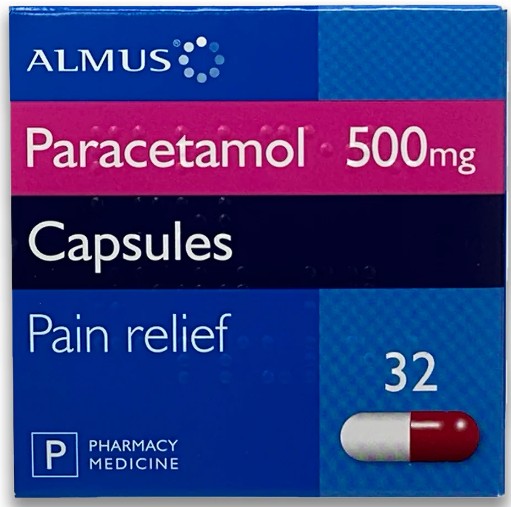
Supermarkets follow national best practice guidance that recommends selling no more than two packs of painkillers like paracetamol in a single transaction to reduce overdose risk. This helps prevent stockpiling at home and makes large, impulsive overdoses more difficult.[7][1][4][6][10]
In countries such as the UK, it is illegal for retailers to sell more than 100 tablets of paracetamol or aspirin in any single transaction, but the “two pack” rule itself is usually guidance rather than a strict law. Many retailers convert this guidance into firm store policy to ensure consistency and protect customers.[11][7][1][2][3][4]
Even though paracetamol is safe at the recommended dose, relatively small overdoses can cause severe liver damage, sometimes requiring liver transplantation or leading to death. The damage may not cause immediate symptoms, so people often seek help too late for optimal treatment.[8][5][6]
Yes, pharmacies can usually supply larger packs or multiple packs under the supervision of a pharmacist or with a prescription, particularly for patients with chronic pain who need continuous therapy. These supplies are controlled more tightly than small supermarket packs and are recorded within the pharmacy's systems.[13][9][11][5]
Professional OEM manufacturers design product formats and pack sizes that match the legal and best practice limits in your target market, such as 16‑tablet supermarket packs and 32‑tablet pharmacy packs. They also provide the technical documentation, labelling support and quality systems needed for regulatory approval and long‑term, compliant supply.[14][9][11][13][5]
[1](https://www.gov.uk/government/publications/advertising-investigations-september-2016/september-2016-multiple-sales-of-analgesic-containing-in-retail-outlets)
[2](https://www.pharmacy.biz/news/rps-urges-uk-govt-to-pass-law-banning-multi-buy-deals-of-paracetamol/)
[3](https://pmc.ncbi.nlm.nih.gov/articles/PMC4735201/)
[4](https://pharmacyconsulting.co.uk/blog/new-best-practice-guidance-on-the-sale-of-medicines-for-pain-relief/)
[5](https://theconversation.com/paracetamol-pack-sizes-and-availability-are-changing-heres-what-you-need-to-know-242200)
[6](https://www.ncbi.nlm.nih.gov/books/NBK374099/)
[7](https://www.reddit.com/r/AskUK/comments/vjvcv3/why_does_sainsburys_limit_pain_killer_purchases/)
[8](https://www.unsw.edu.au/newsroom/news/2025/01/paracetamol-pack-sizes-and-availability-are-changing-what-you-need-to-know)
[9](https://pmc.ncbi.nlm.nih.gov/articles/PMC1114448/)
[10](https://assets.publishing.service.gov.uk/media/67e69e9e085277e9961b201b/Best_practice_guidance_on_the_sale_of_medicines_2025.pdf)
[11](https://www.parliament.scot/chamber-and-committees/questions-and-answers/question)
[12](https://www.rpharms.com/about-us/news/details/rps-calls-for-legislative-ban-on-multi-buy-deals-of-paracetamol)
[13](https://www.tga.gov.au/news/blog/comply-paracetamol-pack-size-changes)
[14](https://retailpharmacymagazine.com.au/what-the-new-paracetamol-sales-rules-mean-for-pharmacists/)
Hot tags: Paracetamol Purchase Limit, Paracetamol Overdose Prevention, Buy Paracetamol Online, Paracetamol Pack Size Regulations, Paracetamol Safety Guidelines, Paracetamol Legal Restrictions, Paracetamol Self-Harm Prevention, Paracetamol Sales Regulations, Paracetamol Availability Issues, Paracetamol Health Risks