Content Menu
● Understanding Local Anesthetics
● Pharmacokinetics: Onset and Duration
● Advantages of Lidocaine Over Procaine
>> 1. Faster Onset and Longer Duration
>> 2. Lower Risk of Allergic Reactions
>> 4. Better Efficacy in Inflammatory Conditions
>> 5. Established Safety Profile
● FAQs
>> 1. What are the main differences between lidocaine and procaine?
>> 2. Are there any side effects associated with lidocaine?
>> 3. Can lidocaine be used in all patients?
>> 4. How is lidocaine administered?
>> 5. Is procaine still used in modern medicine?
Lidocaine and procaine are two widely used local anesthetics in medical and dental practices. While both serve the primary purpose of blocking pain during procedures, they differ significantly in their effectiveness, onset time, duration of action, and overall safety profiles. This article explores the reasons why lidocaine is generally considered more effective than procaine, supported by scientific evidence and clinical observations.
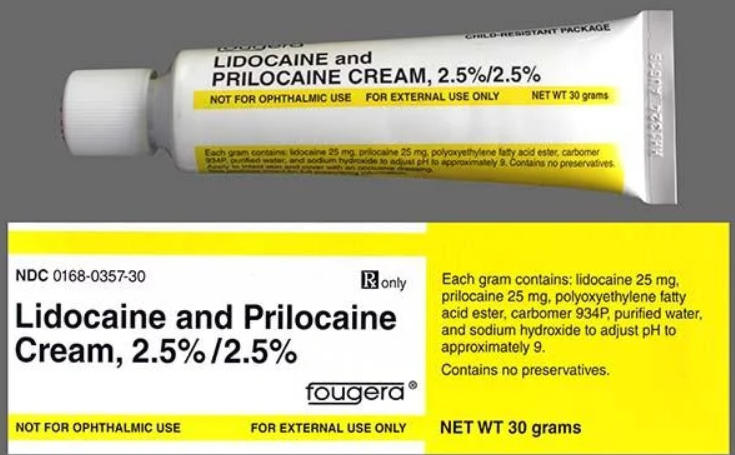
Local anesthetics are medications that block nerve conduction in a specific area of the body, providing pain relief during surgical and dental procedures. They work by inhibiting sodium channels in nerve cells, preventing the transmission of pain signals to the brain.
Lidocaine is classified as an amide-type anesthetic, while procaine is an ester-type anesthetic. This fundamental difference in chemical structure influences their pharmacokinetics and pharmacodynamics.
The chemical structure of lidocaine allows it to penetrate nerve membranes more effectively than procaine. This enhanced ability to diffuse through tissues contributes to lidocaine's rapid onset of action and prolonged duration of effect.
Lidocaine has a faster onset of action compared to procaine. Typically, lidocaine begins to take effect within 2 to 5 minutes after administration, while procaine may take 5 to 15 minutes to achieve the desired anesthetic effect. This rapid onset makes lidocaine particularly useful in emergency situations where immediate pain relief is necessary.
Lidocaine also has a longer duration of action. The effects of lidocaine can last from 1 to 2 hours, depending on the dosage and method of administration. In contrast, procaine's effects are generally shorter, lasting about 30 to 60 minutes. This difference is crucial in surgical settings where prolonged anesthesia is required.
Clinical studies have shown that lidocaine is more effective in managing pain compared to procaine. For instance, a study comparing the two anesthetics in outpatient spinal anesthesia found that lidocaine resulted in a significantly lower incidence of transient neurologic symptoms (TNS) compared to procaine, which had a higher rate of complications and longer recovery times.
In various surgical procedures, lidocaine has been shown to provide superior pain relief, allowing for smoother operations and quicker patient recovery. The ability to maintain effective anesthesia for longer periods without the need for additional doses is a significant advantage of lidocaine over procaine.
Lidocaine is generally considered safer than procaine. While both anesthetics can cause side effects, lidocaine has a lower incidence of allergic reactions and systemic toxicity. Procaine, being an ester, is more likely to cause allergic reactions due to its metabolism into para-aminobenzoic acid (PABA), a known allergen.
Moreover, lidocaine's safety profile is enhanced by its extensive clinical use and the availability of guidelines for its administration. Healthcare providers are well-versed in managing potential side effects associated with lidocaine, making it a more reliable choice in various medical settings.
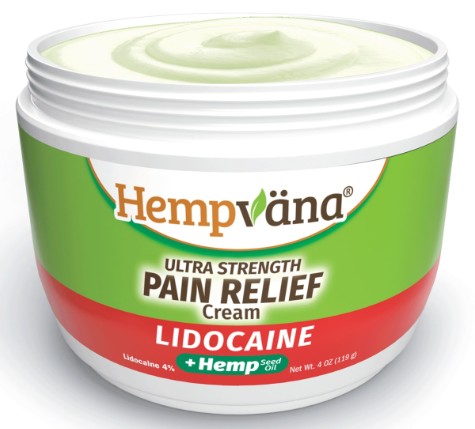
Both lidocaine and procaine block sodium channels to prevent nerve depolarization. However, lidocaine's molecular structure allows it to penetrate nerve membranes more effectively, leading to a more efficient blockade of pain signals. This enhanced efficacy is particularly evident in inflamed tissues, where lidocaine maintains its effectiveness better than procaine.
Lidocaine's mechanism of action involves binding to the sodium channels from the inside of the nerve cell, which prevents the influx of sodium ions necessary for nerve impulse transmission. This blockade results in a reversible loss of sensation in the targeted area, providing effective pain relief during surgical procedures.
Lidocaine is widely used in various clinical settings, including:
1. Dental Procedures: Lidocaine is commonly used for local anesthesia in dental surgeries, such as tooth extractions and root canals. Its rapid onset and prolonged effect make it ideal for these procedures.
2. Minor Surgical Procedures: Lidocaine is frequently used in minor surgical procedures, including skin biopsies and suturing, where effective pain control is essential for patient comfort.
3. Emergency Medicine: In emergency situations, lidocaine is often administered to provide immediate pain relief and to manage arrhythmias due to its antiarrhythmic properties.
4. Chronic Pain Management: Lidocaine is also used in chronic pain management, particularly in conditions such as neuropathic pain and postherpetic neuralgia. Its ability to modulate pain pathways makes it a valuable tool in pain management protocols.
5. Regional Anesthesia: Lidocaine is utilized in regional anesthesia techniques, such as nerve blocks and epidurals, to provide effective pain relief during and after surgical procedures.
The rapid onset and extended duration of lidocaine make it particularly advantageous in both surgical and emergency settings. This allows healthcare providers to perform procedures with minimal discomfort to the patient and reduces the need for additional anesthetic administration.
Given that procaine is an ester anesthetic, it is more likely to cause allergic reactions compared to lidocaine. This is an important consideration, especially in patients with a history of allergies to local anesthetics.
Lidocaine's versatility extends beyond local anesthesia; it is also used as an antiarrhythmic agent in treating ventricular arrhythmias. This dual functionality enhances its value in clinical practice.
Lidocaine has been shown to maintain its efficacy even in inflamed tissues, where procaine may be less effective. This is particularly important in surgical procedures involving inflamed or infected areas.
Lidocaine has a well-established safety profile, with extensive clinical data supporting its use. This familiarity among healthcare providers contributes to its preference over procaine in many situations.
In summary, lidocaine is generally more effective than procaine due to its faster onset, longer duration of action, superior efficacy in pain management, and better safety profile. These characteristics make lidocaine the preferred choice for many medical and dental procedures.
If you are a brand owner, wholesaler, or manufacturer looking for reliable OEM services in the field of biotechnology, pharmaceuticals, or medical devices, we invite you to contact us. Our expertise in providing high-quality products tailored to your needs can help you succeed in your market.
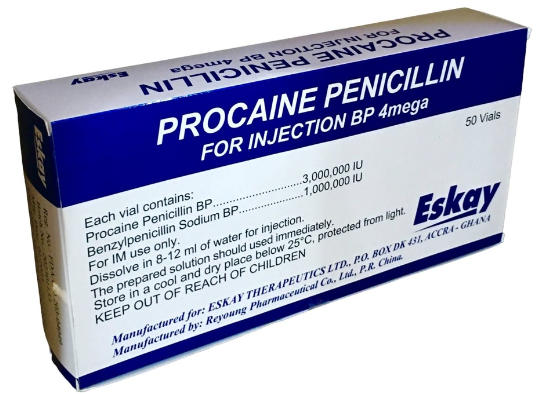
Lidocaine is an amide anesthetic with a faster onset and longer duration of action, while procaine is an ester anesthetic with a slower onset and shorter duration.
Yes, potential side effects of lidocaine include allergic reactions, dizziness, and in rare cases, systemic toxicity.
While lidocaine is generally safe, it should be used with caution in patients with liver disease or certain cardiovascular conditions.
Lidocaine can be administered via injection, topical application, or as a patch, depending on the procedure and required effect.
Yes, procaine is still used, particularly in specific dental and surgical procedures, but it is less common than lidocaine due to its limitations.
Hot tags: Lidocaine Effectiveness, Procaine Comparison, Local Anesthetics, Pain Management, Anesthetic Properties, Lidocaine vs Procaine, Medical Anesthesia, Pain Relief Options, Anesthetic Onset Time, Local Anesthetic Safety