Content Menu
● Proper Dosage of Paracetamol
>> Children's Dosage Guidelines
● Side Effects and Risks of Paracetamol
>> Overdose Warning and Symptoms
● Who Should Use Paracetamol with Caution?
● Interactions with Other Medicines
● Paracetamol in Clinical Practice
● Buying Paracetamol: Key Considerations for Businesses
>> 1. What is the safe adult dose of paracetamol?
>> 2. Can paracetamol be given to children?
>> 3. What should I do if I overdose on paracetamol?
>> 4. Is paracetamol safe to use during pregnancy?
>> 5. Can paracetamol interact with other medicines?
Paracetamol, also known as acetaminophen, is one of the most commonly used over-the-counter medications worldwide. Its widespread use for pain relief and fever reduction makes it a staple in households and healthcare settings globally. This article explores everything you need to know about paracetamol, including its dosage, benefits, side effects, and important considerations. The content includes helpful images and videos for better understanding, a conclusion with a call to action for inquiries, and a comprehensive FAQ section to address common questions.
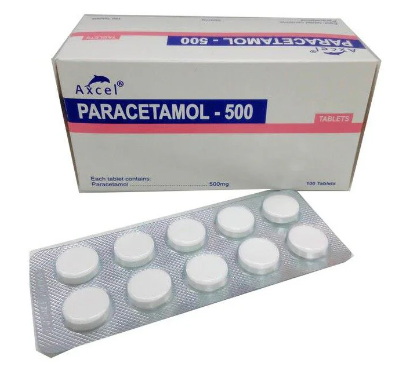
Paracetamol is a widely used analgesic (pain reliever) and antipyretic (fever reducer). It is effective for treating a variety of conditions such as headaches, muscle aches, arthritis, backache, toothaches, colds, and fevers. Unlike nonsteroidal anti-inflammatory drugs (NSAIDs) like ibuprofen, paracetamol does not have strong anti-inflammatory properties but excels in alleviating pain and reducing fever without irritating the stomach.
Images often depict paracetamol tablets, capsules, or liquid forms, which visually communicate its widespread availability and use.
Paracetamol works by reducing the production of prostaglandins in the brain. Prostaglandins are chemicals responsible for transmitting pain signals and raising body temperature during a fever. By inhibiting these chemicals centrally rather than throughout the body (like NSAIDs), paracetamol provides effective pain relief and fever reduction with fewer gastrointestinal side effects.
Videos demonstrating the biochemical mechanism of paracetamol can offer visual learners a clearer understanding of how this medicine operates at the molecular level.
Accurate dosing is crucial for safety and effectiveness because overdosing on paracetamol can cause severe liver damage, which could be life-threatening.
- A typical dose ranges from 500 mg to 1000 mg every 4 to 6 hours.
- The maximum recommended daily dose for adults is 4000 mg (4 grams).
- It is important not to exceed this dosage within a 24-hour period to avoid liver toxicity.
- Patients with liver conditions or consuming alcohol regularly should consult healthcare providers before using paracetamol.
- Children's doses are calculated based on weight and age, typically 10–15 mg per kilogram of body weight per dose.
- A pediatrician should be consulted to ensure correct dosing intervals and maximum amounts.
- Various liquid suspensions and suppository forms are available to accommodate children's needs and preferences.
Visual aids such as dosage charts and measuring spoon videos can significantly improve parents' ability to give the correct amount safely.
Paracetamol offers multiple benefits that contribute to its global popularity:
- Effective pain relief: It tackles mild to moderate pain conditions including headaches, toothaches, menstrual cramps, arthritis, and muscle injuries.
- Fever reduction: Helps the body regulate temperature during infections or illnesses.
- Gastrointestinal safety: Unlike NSAIDs, paracetamol does not generally cause stomach ulcers or bleeding, making it safer for long-term or sensitive stomach use.
- Pregnancy safety: When used in recommended dosages, paracetamol is considered one of the safest pain relief options during pregnancy.
- Flexible administration: Available in multiple forms such as tablets, capsules, liquids, suppositories, and injectables for hospital use.
Including user testimonials and clinical images can enhance trust by showing real-world effectiveness and wide applicability.
Paracetamol is generally safe when taken correctly; however, there are risks primarily linked to excessive use or incorrect combinations with other medications.
- Allergic skin reactions such as rash, itching, or swelling.
- Rare blood disorders, though extremely uncommon.
- In cases of overdose, acute liver failure is the most serious risk and requires urgent medical intervention.
- Symptoms of overdose can include nausea, vomiting, abdominal pain, and confusion.
- If overdose is suspected, immediate medical attention is critical to prevent permanent liver damage.
- The antidote for paracetamol overdose, N-acetylcysteine (NAC), is most effective when administered early.
Educational videos portraying early signs of overdose and emergency steps can help increase awareness and save lives.

- Individuals with existing liver conditions or chronic alcohol users should only use paracetamol under medical supervision.
- Those allergic to acetaminophen or related compounds must avoid use.
- Patients on other liver-metabolized drugs or blood thinners need close monitoring.
- Pregnant and breastfeeding women should seek advice before use, despite its relative safety.
Paracetamol may interact with several medications which could alter its effectiveness or increase risks:
- Blood thinners (Warfarin): Prolonged use combined with paracetamol can increase bleeding risk.
- Anticonvulsants and tuberculosis drugs: These may speed up paracetamol metabolism, reducing its efficacy.
- Alcohol: Heightens the risk of liver damage due to additive stress on the liver.
It is crucial to disclose all medications and supplements to healthcare providers to avoid dangerous interactions.
Paracetamol is a frontline medicine used by healthcare professionals across various settings:
- It is often prescribed or recommended first for mild to moderate pain and fever before resorting to stronger painkillers.
- Frequently combined with opioids in prescribed formulations to improve pain control while minimizing opioid doses.
- Used extensively in post-surgical care, cold and flu treatment, and chronic pain management, under appropriate guidance.
For wholesalers, brand owners, and manufacturers looking to source paracetamol:
- Verify the quality standards and certifications of the manufacturer.
- Ensure the supplier offers flexible OEM/OEMM services to customize packaging and formulation.
- Confirm compliance with international regulations and pharmacopoeia standards.
- Choose manufacturers with robust R&D, quality control, and reliable supply chains.
At Supply Benzocaine, we specialize in providing premium paracetamol products with comprehensive OEM services. Our manufacturing is aligned with global standards, catering to international brands, wholesalers, and manufacturers looking for quality and customization.
Paracetamol remains one of the safest and most effective medications for managing pain and fever globally. Its accessibility and versatile forms make it a go-to choice for millions. However, correct dosing and awareness of side effects and interactions are essential to ensure safety. For businesses looking to source reliable paracetamol products, partnering with a trustworthy manufacturer is key. Reach out to us today to discuss how Supply Benzocaine can support your OEM needs with high-quality paracetamol solutions tailored to your specifications.
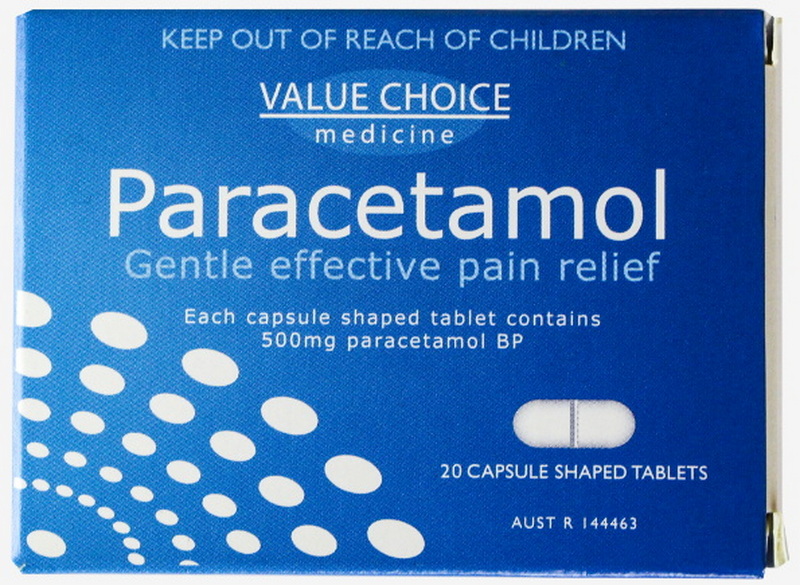
The safe adult dose is 500 mg to 1000 mg every 4 to 6 hours, with a maximum of 4 grams (4000 mg) per day.
Yes, but the dose must be based on the child's weight and age, commonly 10–15 mg/kg per dose. Always consult a pediatrician for proper dosing.
Seek emergency medical attention immediately. Early treatment with N-acetylcysteine (NAC) can prevent serious liver damage.
Paracetamol is generally considered safe during pregnancy when used at recommended doses but always consult a healthcare provider.
Yes, it interacts with blood thinners like warfarin, anticonvulsants, tuberculosis medications, and alcohol, increasing risks of side effects.
Hot tags: Buy Paracetamol Online, Paracetamol Dosage Guidelines, Benefits of Paracetamol, Paracetamol Side Effects, How to Take Paracetamol, Paracetamol for Pain Relief, Paracetamol Overdose Symptoms, Safe Use of Paracetamol, Paracetamol for Children, Paracetamol vs Ibuprofen