Content Menu
● Safety and Regulatory Status
● Research and Industrial Applications
● Molecular and Chemical Properties
● Expanded Medical History and Regulatory Overview
● Visuals and Educational Videos
● FAQs
>> 1. What is phenacetin powder used for?
>> 2. Is phenacetin safe for human use?
>> 3. What are the major health risks associated with phenacetin?
>> 4. How is phenacetin synthesized?
>> 5. Why was phenacetin removed from pharmaceutical markets?
Phenacetin is a synthetic analgesic and antipyretic compound introduced in 1887. It was widely used in human and veterinary medicine to relieve pain and reduce fever. Chemically identified as N-(4-ethoxyphenyl)acetamide, phenacetin appears as a slightly bitter white crystalline powder. Despite its historic medical use, phenacetin was withdrawn from medicinal markets worldwide by the 1980s due to its carcinogenicity and severe kidney toxicity.
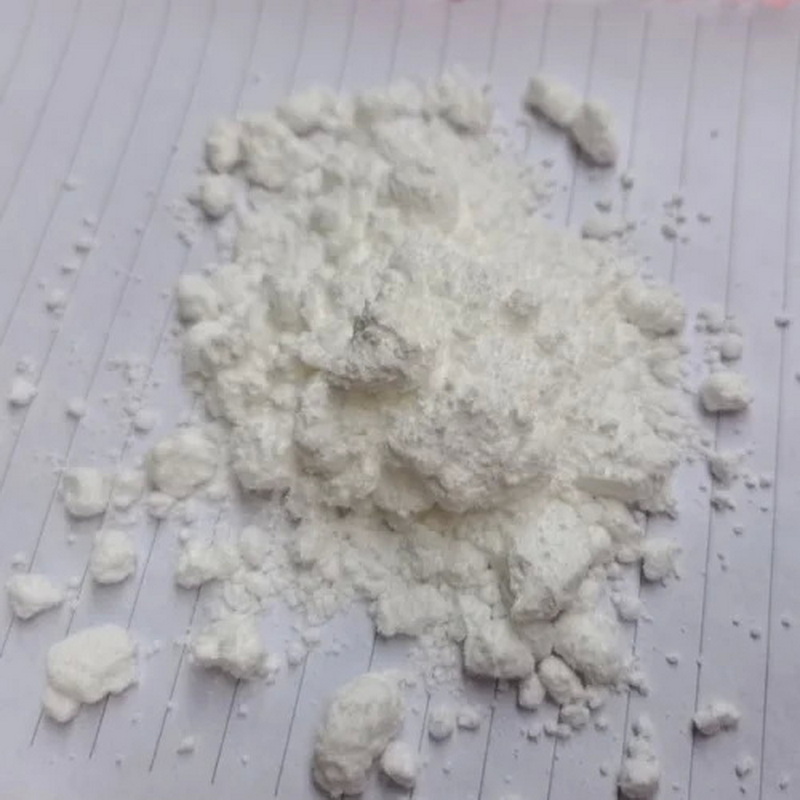
Phenacetin was once a common component in analgesic mixtures designed to alleviate headaches, neuralgia, and fever. It was frequently combined with aspirin, caffeine, or codeine in tablets or capsules, with dosages typically ranging from 150 mg to 500 mg per dose, and a daily limit around 2 grams. Its slow, prolonged effect made it popular for persistent pain relief. Outside of pharmaceuticals, phenacetin has been used as a stabilizer in hair bleach formulations and as a cutting agent mimicking cocaine's physical properties in illicit drug trade.
The analgesic effect of phenacetin largely results from its metabolic conversion into paracetamol (acetaminophen), which acts on sensory nerve pathways in the spinal cord to alleviate pain. Its antipyretic effect involves lowering the hypothalamic temperature setpoint. However, a minor metabolic pathway produces p-phenetidine, a carcinogenic metabolite responsible for many of phenacetin's long-term toxic effects.
Phenacetin is classified by the International Agency for Research on Cancer (IARC) as carcinogenic to humans (Group 1). Chronic exposure and prolonged use cause analgesic nephropathy, a serious kidney disease, and increase the risk of cancers in the renal pelvis and ureter. Other reported adverse effects include aplastic anemia and systemic toxicity. Acute overdose can cause dizziness, jaundice, gastrointestinal irritation, convulsions, and coma. These profound health risks led to the drug's market withdrawal in most countries by the early 1980s.
Phenacetin is banned or restricted in many jurisdictions today. It is no longer approved for medical use, but remains available for scientific research and specialized industrial purposes. Handling phenacetin powder requires strict safety precautions such as dust control, respiratory protection, and avoidance of ingestion or skin contact due to its acute and chronic hazards.
In research laboratories, phenacetin is used as a model organic compound in crystallography, physical chemistry, and pharmaceutical formulation studies. Its well-defined crystalline structure and stable properties make it suitable for particle size and melting point analysis. Advanced techniques like near-infrared spectroscopy (NIR) analyze particle morphology and polymorphic forms relevant to pharmaceutical manufacturing.
Phenacetin also serves as an intermediate in organic synthesis for pharmaceutical compounds. Research continues on phenacetin-related compounds that potentially offer analgesic benefits without the toxic profile of phenacetin itself.
Phenacetin has a molecular formula $$C_{10}H_{13}NO_2$$, a molar mass of 179.22 g/mol, and a melting point between 134–137 °C. The compound features an ethoxy group attached to an acetanilide core. Its synthesis commonly involves Williamson ether synthesis: paracetamol reacts with ethyl iodide in a basic medium to yield phenacetin. This method is efficient and widely employed in laboratory production.
Phenacetin is insoluble in water but soluble in organic solvents like acetone and chloroform. It is odorless with a slightly bitter taste and occurs as a fine, white monoclinic crystalline powder.
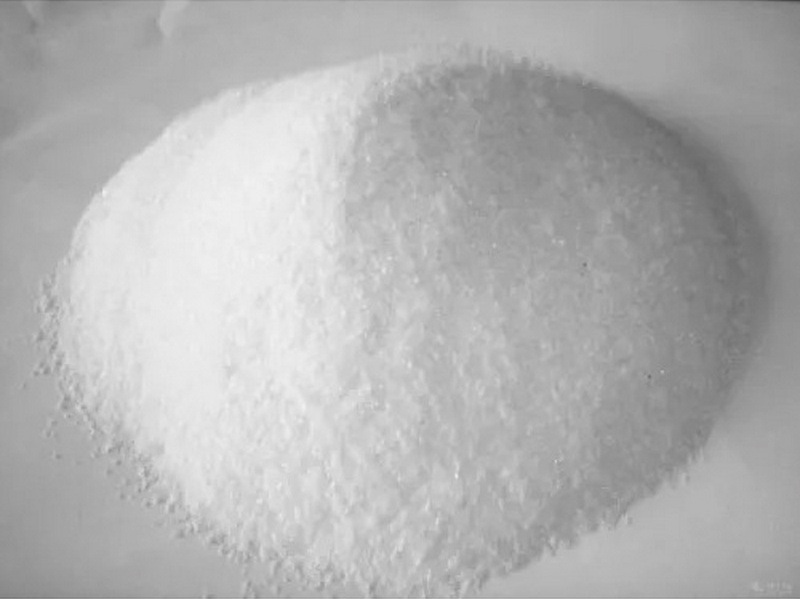
Due to its toxic and carcinogenic nature, phenacetin must be stored in a cool, dark place below 15°C and handled using proper protective measures. It should be kept isolated, clearly labeled, and disposed of according to hazardous waste protocols. First aid measures in cases of exposure include rinsing affected skin or eyes with water, providing fresh air for inhalation exposure, and immediate medical attention for ingestion or severe symptoms.
Phenacetin was among the first synthetic analgesics used extensively since the late 19th century. It was a component of the widely prescribed APC tablets (aspirin, phenacetin, caffeine). However, epidemiological studies in the 1970s and 1980s revealed a strong link between chronic phenacetin use and renal pelvic cancers as well as analgesic nephropathy. Regulatory agencies including the FDA removed phenacetin-containing products from the U.S. market by 1983, followed by similar bans worldwide.
Though once a cornerstone of pain management, phenacetin's toxicity shifted medical practice towards safer alternatives like acetaminophen, which provides similar effects without pronounced carcinogenicity.
Educational materials including videos demonstrate phenacetin's chemical synthesis through Williamson ether synthesis and explain its pharmacological and toxicological properties. Such resources aid students and researchers in understanding phenacetin's molecular chemistry and biological impact, as well as necessary safety practices when handling the compound.
Pure phenacetin powder holds an important place in pharmaceutical history as an effective analgesic and antipyretic compound. However, due to its carcinogenic properties and serious kidney toxicity, phenacetin has been withdrawn from medicinal use globally. Today, phenacetin is primarily valuable for research, education, and niche industrial uses, requiring stringent safety compliance. Our factory specializes in supplying high-purity phenacetin powder with full OEM customization and stringent quality control adhering to international regulations. Contact us for reliable supply, expert technical support, and tailored phenacetin solutions that meet your research or industrial needs.
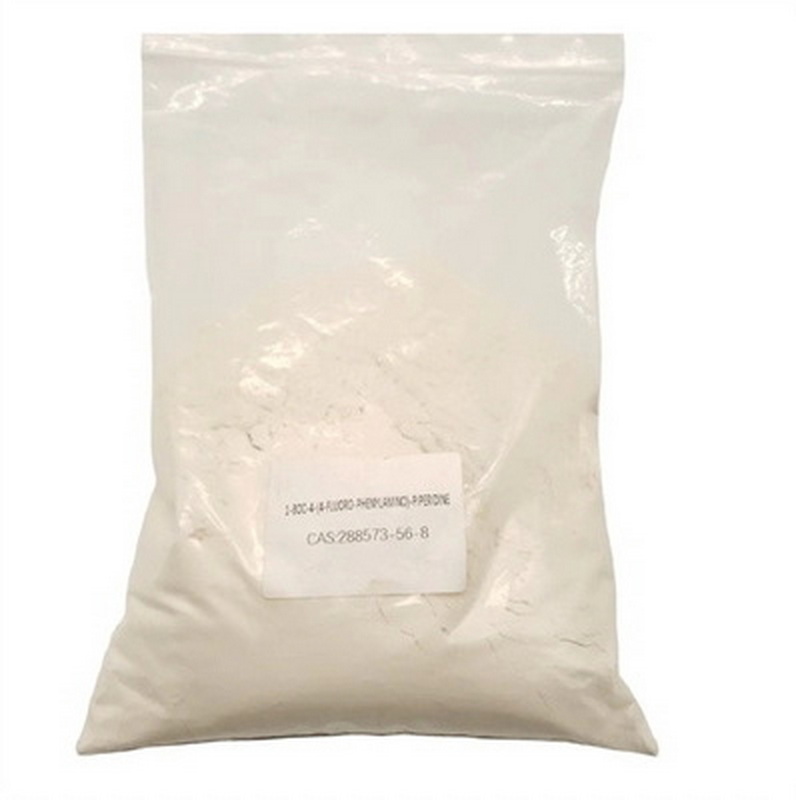
Phenacetin was historically used for pain relief and fever reduction. Currently, its use is mostly restricted to laboratory research and some industrial applications due to health risks.
No, phenacetin is considered unsafe for medicinal use because it is carcinogenic and can cause kidney damage. Use should be limited to controlled research settings with proper safety protocols.
Chronic phenacetin use can lead to analgesic nephropathy, cancers of the urinary tract, aplastic anemia, and other serious toxic effects.
Phenacetin is synthesized by Williamson ether synthesis, involving the reaction of paracetamol with ethyl iodide in basic conditions.
Extensive evidence linking phenacetin use to cancer and kidney disease led to its ban in most countries since the early 1980s.
[1](https://www.tcichemicals.com/OP/en/p/P1669)
[2](https://www.lookchem.com/cas-62/62-44-2.html)
[3](https://www.chemicalbook.com/ChemicalProductProperty_EN_CB6141828.htm)
[4](https://www.carlroth.com/medias/SDB-9728-DE-EN.pdf?context=bWFzdGVyfHNlY3VyaXR5RGF0YXNoZWV0c3wyNjQ5NDN8YXBwbGljYXRpb24vcGRmfGFHTmlMMmc1T0M4NU1qQTJPRE0yTkRrME16WTJMMU5FUWw4NU56STRYMFJGWDBWT0xuQmtaZ3w4NzE3ZmQwNGExMDQyZDYxZjMzMWQ0ZGRmZmU3ZGZhZjhiN2NlZjFlY2ZhMGE2NTUyODVlMjY1ZDZiM2QzOTFl)
[5](https://www.sigmaaldrich.com/HK/en/product/aldrich/77440)
[6](https://www.fishersci.com/store/msds?partNumber=AC216595000&productDescription=P-ACETOPHENETIDIDE%2C+97%25+500GR&vendorId=VN00032119&countryCode=US&language=en)
[7](https://www.guidechem.com/encyclopedia/phenacetin-dic303.html)
[8](https://pmc.ncbi.nlm.nih.gov/articles/PMC5288966/)
[9](https://www.sciencedirect.com/science/article/pii/S2211715624006143)
[10](https://apps.who.int/iris/bitstream/handle/10665/43443/WHO_TRS_937_eng.pdf)
[11](https://pubchem.ncbi.nlm.nih.gov/compound/Phenacetin)
[12](https://www.sigmaaldrich.com/sds/aldrich/77440)
[13](https://commons.wikimedia.org/wiki/Category:Phenacetin)
[14](https://www.youtube.com/watch?v=osklJU9HWcs)
[15](https://www.canada.ca/en/health-canada/services/chemical-substances/fact-sheets/chemicals-glance/phenacetin.html)
[16](https://www.youtube.com/watch?v=J03ZB0vMzjI)
[17](https://www.ncbi.nlm.nih.gov/books/NBK304337/)
[18](https://www.fishersci.ca/shop/products/phenacetin-powder-98-0-101-0-spectrum-chemical/18612209)
[19](https://en.wikipedia.org/wiki/Phenacetin)
[20](https://www.sciencedirect.com/science/article/abs/pii/S0032591004000634)
[21](https://www.canada.ca/en/environment-climate-change/services/evaluating-existing-substances/draft-screening-assessment-acetamide-n-4-ethoxyphenyl-phenacetin.html)
[22](https://www.cristalchem.com/2025/09/25/phenacetin-laboratory-applications/)
Hot tags: Pure Phenacetin Powder, Phenacetin Uses, Phenacetin Benefits, Phenacetin Risks, Analgesic Properties of Phenacetin, Phenacetin Side Effects, Phenacetin and Kidney Health, Phenacetin in Pain Management, Phenacetin Historical Use, Phenacetin Safety Concerns