Content Menu
● What Is Penicillin G Procaine?
● Clinical Uses and Indications
● Who Can Take Penicillin G Procaine?
● How Penicillin G Procaine is Administered
● Safety, Contraindications, and Interactions
>> Who Should Not Take Penicillin G Procaine?
● Benefits of Penicillin G Procaine
>> Prescription and Regulation
● FAQ
>> 1. Is penicillin G procaine safe for humans?
>> 2. Can I take penicillin G procaine if I am pregnant or breastfeeding?
>> 3. What should I do if I miss a dose?
>> 4. Are there any foods, drugs, or supplements to avoid during treatment?
>> 5. How do I recognize an allergic reaction to penicillin G procaine?
Penicillin G procaine is a well-known injectable antibiotic that has played a crucial role in treating various bacterial infections for decades. While many associate the penicillin family with oral tablets or capsules, this particular formulation is administered intramuscularly—directly into muscle tissue—making it different from what you might expect from a typical antibiotic. Given its distinct delivery method, unique applications, and specific safety concerns, many patients and healthcare providers have important questions: Can humans take penicillin G procaine? Under what circumstances is it used, and what are the key considerations for safety, side effects, and efficacy?
This comprehensive guide explores everything you need to know—including detailed explanations, clinical use cases, precautions, possible side effects, and an FAQ addressing the most common patient questions. Whether you are a medical professional, wholesaler, OEM client, or simply researching treatment options, this guide will answer your concerns and help you make informed decisions about penicillin G procaine.

Penicillin G procaine is a long-acting antibiotic suspension administered by deep intramuscular injection. It combines penicillin G, a potent bactericidal agent, with procaine, a local anesthetic that helps reduce the pain of the injection. This formulation is specifically designed for the slow, steady release of penicillin G into the bloodstream over several days, making it suitable for certain types of infections.
- Active Ingredients: Penicillin G and procaine.
- Administration: Intramuscular injection only.
- Indications: Used to treat moderate to severe infections caused by penicillin G-susceptible organisms.
Penicillin G works by interfering with bacterial cell wall synthesis, leading to the death of susceptible bacteria. Procaine acts locally at the injection site as an anesthetic, helping to reduce discomfort associated with the injection process.
Penicillin G procaine is effective for various conditions in both adults and children. According to clinical guidelines:
- Streptococcal infections: Pharyngitis, skin and soft-tissue infections from penicillin-sensitive streptococci.
- Pneumococcal infections: Moderately severe respiratory tract infections caused by susceptible strains.
- Syphilis: Used in several stages of syphilis when a long-acting penicillin preparation is necessary.
- Anthrax and certain zoonoses: Treats susceptible cases effectively.
- Other infections: Actinomycosis, diphtheria carrier state, yaws, bejel, pinta, and rat-bite fever.
It is important to note that for life-threatening or rapidly progressing infections, alternative penicillin G formulations providing immediate and high blood concentrations are required instead of the procaine form.
Humans—both adults and children—can receive penicillin G procaine under the supervision of a healthcare professional. This medicine should never be self-administered outside of a clinical setting due to risks of incorrect dosing and injection technique.
- Children: Proven safe and effective when administered according to pediatric dosing guidelines. Dosage is carefully calculated by weight and age.
- Elderly: Dosage adjustments may be needed for individuals with impaired liver, kidney, or cardiac function.
- Pregnancy & Breastfeeding: Use only if benefits outweigh possible risks. Consult healthcare providers for thorough risk assessment.
- Route: Intramuscular injection only. It should never be given intravenously as this can cause serious or fatal complications.
- Sites: Usually injected into the upper outer quadrant of the buttock or the thigh muscle. Alternate sites to minimize discomfort and tissue damage for repeated doses.
- Frequency and Duration: Typically administered once a day, but the exact regimen depends on the infection's severity and the healthcare provider's instructions.
Injection technique is critical—not only for drug efficacy but also for minimizing pain and tissue damage. The procaine component helps reduce immediate injection pain, making treatment more tolerable.
- Individuals with a known allergy or hypersensitivity to penicillin, procaine, or other beta-lactam antibiotics.
- Patients currently taking medications such as tetracycline may experience drug interactions that reduce the effectiveness of penicillin.
- Patients with a history of severe allergic reactions, such as anaphylaxis, should avoid this medication unless under strict medical supervision.
Allergic reactions to penicillin can vary widely—from mild skin rashes to life-threatening anaphylaxis. Always inform your healthcare provider of any previous drug allergies or reactions. Because procaine is a local anesthetic, some individuals might have sensitivity or allergic responses to it, though this is less common.
Drug interactions can compromise treatment efficacy or increase side effects. Inform your doctor about any other medications, herbal supplements, or over-the-counter products you are taking to avoid adverse interactions.
- Asthma patients need particular caution, as they may be at an increased risk for severe allergic responses.
- Patients receiving prolonged therapy require regular monitoring, including blood tests, to detect potential complications such as blood cell imbalances or kidney dysfunction.
- People with renal or hepatic impairment should have doses tailored carefully to avoid drug accumulation and toxicity.
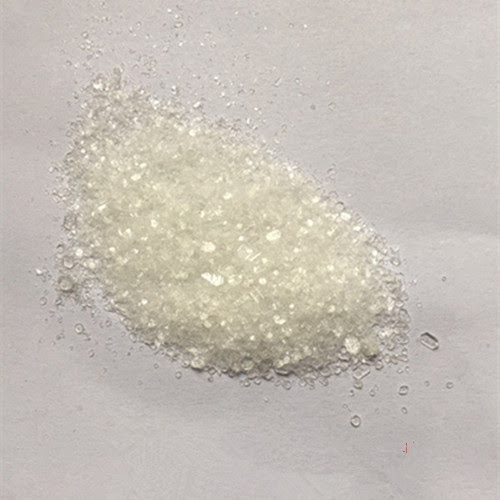
Most side effects of penicillin G procaine are mild and temporary, occurring primarily at the injection site, but serious adverse events also exist.
- Pain, tenderness, redness, or swelling at the injection site.
- Skin rash or mild allergic reactions such as itching.
- Gastrointestinal disturbances like diarrhea.
- Fever and headache occasionally reported.
- Severe allergic reactions including anaphylaxis—manifested by difficulty breathing, swelling of the face or throat, or severe rash.
- Neurological symptoms such as seizures, confusion, hallucinations (rare but serious).
- Blood disorders like methemoglobinemia caused by procaine component—leading to cyanosis and breathing difficulties. This condition is very rare but requires immediate medical attention.
If any severe symptoms develop after administration, immediate emergency care is essential.
1. Long-Acting Effect: Sustained release allows for fewer injections, improving patient compliance especially in cases requiring prolonged antibiotic therapy.
2. Reduced Injection Pain: The procaine anesthetic minimizes discomfort compared to standard penicillin G injections.
3. Effective Against Specific Infections: Particularly valuable in treating syphilis and certain zoonotic diseases due to its prolonged bactericidal activity.
4. Convenient Treatment Regimen: Once-daily dosing improves ease for both patients and healthcare providers.
5. Safe When Used Properly: When administered under professional supervision, it is a reliable and effective part of the antibiotic arsenal.
Penicillin G procaine should be stored at controlled room temperatures away from light to maintain stability. Reconstituted solutions must be used promptly, and any unused suspension discarded to avoid contamination.
Due to its potential risks and need for controlled use, penicillin G procaine is strictly prescription-only and regulated in most countries. Self-medication or the use of counterfeit products can cause adverse outcomes, including resistance development or severe allergic reactions.
Misuse or overuse of any antibiotic, including penicillin G procaine, contributes to bacterial resistance. Responsible prescribing by healthcare professionals and adherence to treatment regimens by patients are crucial in preserving its efficacy.
Regular clinical follow-up is recommended during treatment to monitor therapeutic response, detect allergic reactions early, and adjust dosing if necessary. Laboratory tests such as blood counts, renal and liver function tests may be periodically performed in prolonged treatment courses.
Penicillin G procaine is a proven, effective treatment for many bacterial infections in humans when used in accordance with established medical guidelines. Its long-acting nature, efficacy against specific diseases, and reduced injection discomfort make it a valuable antibiotic choice, particularly where oral therapy is unfeasible or patient compliance is a concern.
However, it must be administered exclusively by qualified healthcare providers to ensure safety and efficacy. Awareness of potential allergic reactions, interactions, and correct injection techniques are paramount to minimizing risks.
If you are interested in sourcing high-quality penicillin G procaine or other pharmaceutical products with reliable OEM services, we invite you to contact us. Our factory specializes in biotechnology, pharmaceutical, and medical device manufacturing, serving global brand owners, wholesalers, and producers with dedication and expertise.
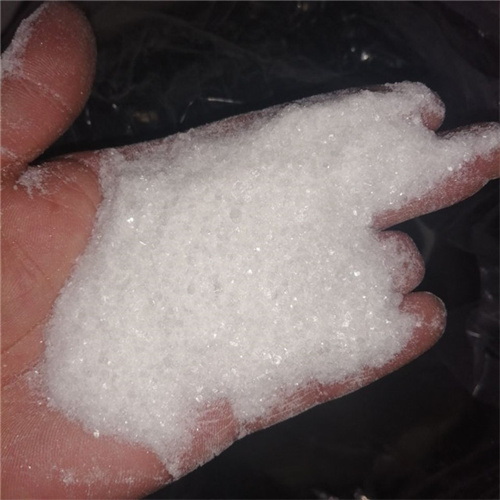
Yes, penicillin G procaine is safe for most people when administered appropriately by healthcare professionals. People with allergies to penicillin or procaine should avoid it.
Use only under medical advice with careful risk-benefit evaluation. Limited data exist, so consult your healthcare provider.
Do not self-administer a missed dose. Contact your healthcare provider immediately for guidance on how to proceed.
Always inform your healthcare provider of all medications and supplements. Some drugs like tetracycline may interfere with penicillin's effectiveness.
Signs include rash, swelling, difficulty breathing, or sudden confusion after injection. Seek emergency medical help if these occur.
Hot tags: Penicillin G Procaine For Humans, Is Procaine Safe For People, Human Use Of Penicillin G Procaine, Can I Take Penicillin G Procaine, Procaine Penicillin Dosage For Humans, Procaine Medical Use, Human Injections Procaine, Clinical Use Of Penicillin G Procaine, Antibiotics With Procaine For People, Procaine Penicillin Uses In Healthcare