Content Menu
● What Is Procaine Penicillin?
● How Does Procaine Penicillin Work?
● Why Is Procaine Penicillin Usually Injected?
● Can Procaine Penicillin Be Taken Orally?
>> Evidence from Research and Pharmacology
>> Clinical Ineffectiveness of Oral Use
>> Pharmacological Challenges of Oral Administration
>> Summary of Oral Dosing Feasibility
● When Is Oral Administration Ever Considered?
● Risks of Improper Administration
● Clinical Applications and Alternatives
>> Indications for Procaine Penicillin (IM Injection)
>> Oral Alternatives for Patients Unable to Tolerate Injection
● Practical Considerations for Manufacturers and Suppliers
● Frequently Asked Questions (FAQ)
>> 1. What happens if I take procaine penicillin by mouth?
>> 2. Why is penicillin V preferred over penicillin G for oral use?
>> 3. Are there any exceptions for oral procaine penicillin use?
>> 4. What alternatives exist for patients who cannot tolerate injections?
>> 5. What are the potential side effects of intramuscular procaine penicillin?
Procaine penicillin (also known as penicillin G procaine) is a widely used antibiotic, valued for its effectiveness against a range of bacterial infections. In the realms of medicine and pharmaceuticals, understanding the optimal route of drug administration is critical—not only for ensuring therapeutic efficacy but also for patient safety and compliance. Many healthcare practitioners and patients alike are curious about whether procaine penicillin can be taken orally rather than by injection. This detailed article explores the science, pharmacology, clinical use, and important considerations regarding the oral administration of procaine penicillin.
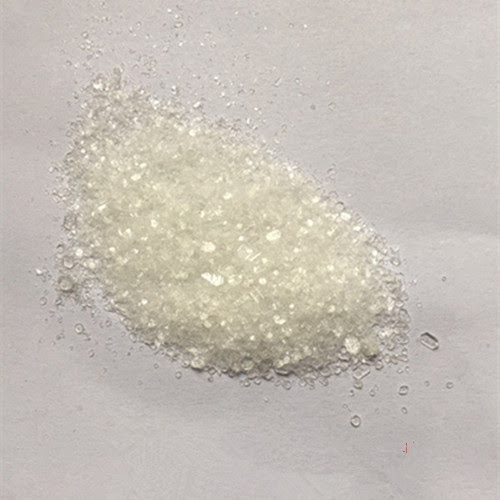
Procaine penicillin is a combination of two agents:
- Penicillin G (benzylpenicillin): A classic beta-lactam antibiotic that is effective against a broad spectrum of gram-positive bacteria and some gram-negative bacteria.
- Procaine: A local anesthetic that is combined to reduce the pain associated with intramuscular injections while slowing absorption and prolonging the action of penicillin G in the body.
The typical use of procaine penicillin is through intramuscular (IM) injection, which creates a depot at the injection site and results in consistent therapeutic levels over an extended period.
Penicillin G works by inhibiting bacterial cell wall synthesis through binding with penicillin-binding proteins (PBPs), which leads to the loss of bacterial structural integrity and eventual cell lysis and death. The procaine component is primarily there to numb the injection site, reducing discomfort from the often-painful intramuscular injection while also slowing penetration into the bloodstream to provide a longer duration of action.
The pharmaceutical design of procaine penicillin as an intramuscular preparation is primarily due to the poor stability and bioavailability of penicillin G in the acidic environment of the stomach. When administered by injection, the drug bypasses the gastrointestinal (GI) tract, delivering therapeutic levels directly into the bloodstream and ensuring sustained drug concentrations.
Advantages of injection as the route are:
- Reliable, gradual absorption and sustained therapeutic levels over time.
- Avoidance of gastric degradation, which can destroy a significant portion of the drug if taken orally.
- Reduced frequency of administration compared to intravenous or multiple daily oral dosing.
Numerous clinical and pharmacological investigations have shown that orally administered procaine penicillin exhibits poor bioavailability. This means only a small fraction of the drug survives the harsh acidic conditions of the stomach and the enzymatic actions in the gastrointestinal tract to enter systemic circulation.
The majority of penicillin G is rendered inactive by gastric acid or eliminated from the body through metabolism and excretion without exerting therapeutic effects. Consequently, oral procaine penicillin fails to achieve sufficient blood and tissue levels necessary for effectively treating bacterial infections.
Clinical trials consistently demonstrate that serum and tissue concentrations of penicillin following oral dosing with procaine penicillin are significantly lower than levels achieved through intramuscular injection. Because of this low systemic availability, oral procaine penicillin is ineffective for treating serious bacterial infections that require adequate antibiotic blood levels.
To contrast, penicillin V (phenoxymethyl penicillin) is formulated to resist degradation by stomach acid and displays higher oral bioavailability, making it the preferred penicillin for oral administration in mild to moderate infections.
- Gastric Inactivation: Penicillin G is chemically unstable in the low pH of the stomach. It is rapidly hydrolyzed and inactivated, which severely reduces the amount available for absorption.
- Poor Intestinal Absorption: Even if some penicillin survives the stomach, intestinal absorption mechanisms do not efficiently transport penicillin G across the gut wall into the bloodstream.
- Low Achievable Blood Levels: Attempts to formulate oral preparations of procaine penicillin or penicillin G fail to achieve sufficient serum levels to treat systemic infections unless unfeasibly high doses are administered frequently.
Procaine penicillin should not be taken orally for treatment of systemic infections. Its intended and effective route is strictly via intramuscular injection. Oral administration is unreliable and carries significant risks of treatment failure.
This fundamental limitation is why penicillin G, and by extension the procaine penicillin complex, have been exclusively reserved for parenteral (injection) use since their development.
There have been historical investigations and anecdotal reports of oral or intraduodenal administration of procaine penicillin, but these experiments failed to demonstrate meaningful blood levels or clinical efficacy.
In rare research or experimental settings, oral doses sometimes accompanied by substances that buffer gastric acid have been tested. However, these methods have not been incorporated into medical practice due to their inefficacy and inconvenience.
Modern clinical guidelines emphasize that:
- Penicillin V is the recommended oral penicillin form.
- Procaine penicillin and penicillin G are strictly for intramuscular injection.
Using procaine penicillin orally or against recommended guidelines involves important risks:
- Treatment Failure: Insufficient drug concentrations lead to persistence or worsening of infection.
- Antibiotic Resistance: Subtherapeutic levels promote survival of resistant bacterial populations.
- Adverse Effects and Toxicity: Attempts to increase dose to compensate for poor absorption can cause undue side effects or toxicity.
- Legal and Ethical Issues: Non-standard use of drugs may have medico-legal implications and ethical concerns.
Therefore, strict adherence to administration routes is a cornerstone of responsible antibiotic use.
Procaine penicillin is indicated primarily in:
- Pneumonia and other respiratory tract infections caused by susceptible bacteria.
- Syphilis and other sexually transmitted infections requiring penicillin G.
- Anthrax and certain streptococcal infections.
- Situations requiring prolonged antibiotic exposure with less frequent injections.
For patients who cannot or prefer not to receive injections, suitable oral alternatives include:
- Amoxicillin: a widely bioavailable oral beta-lactam antibiotic.
- Penicillin V: chemically stable against stomach acid, effective for mild to moderate infections.
- Other oral agents, depending on infection type and susceptibility.
These alternatives offer safe, effective oral treatment when parenteral administration is contraindicated or not preferred.
For companies in biotechnology, pharmaceutical production, and medical devices, understanding the appropriate formulation and administration routes for antibiotics like procaine penicillin is key to meeting client needs. OEM suppliers should:
- Emphasize parenteral formulations for procaine penicillin.
- Develop or source oral penicillin V or analogous oral antibiotics for clients requiring oral options.
- Ensure regulatory compliance for approved indications and routes to guarantee safe and effective products.
- Provide clear, evidence-based guidance on administration routes to healthcare partners and clients.
Procaine penicillin is not recommended for oral administration due to poor absorption, rapid inactivation by stomach acids, and unreliable therapeutic effects. Intramuscular injection remains the gold-standard route of administration for this antibiotic. When oral therapy is required, penicillin V or other suitable oral antibiotics should be used instead. Selecting the correct antibiotic and administration method is vital for ensuring effective treatment, preventing antimicrobial resistance, and safeguarding patient health.
If you are looking for high-quality procaine penicillin or other OEM pharmaceutical manufacturing services, contact our experienced team today. We offer professional advice, competitive pricing, and regulatory-compliant products tailored to your brand and market needs!

Orally taken procaine penicillin has poor absorption, meaning very low levels enter the bloodstream. This results in ineffective treatment and could contribute to antibiotic resistance.
Penicillin V is chemically stable in the acidic environment of the stomach, allowing it to be absorbed orally and maintain effective blood levels, unlike penicillin G which is quickly degraded.
No. Oral procaine penicillin is not supported for clinical use except in some historical or experimental contexts without practical relevance today.
Healthcare providers can prescribe oral antibiotics such as amoxicillin or penicillin V, which are effective and safe for oral administration.
Side effects may include injection site pain, rash, allergic reactions including rare anaphylaxis. Proper administration and medical supervision minimize these risks.
Hot tags: Oral Procaine Penicillin Use, Can You Take Procaine By Mouth, Procaine Penicillin Tablets, Procaine Penicillin Oral Dosage, Oral Vs Injection Procaine, Procaine Penicillin Administration Methods, Taking Procaine Penicillin Orally, Oral Use Of Procaine, Procaine Delivery Routes, Procaine Penicillin Oral Effectiveness