Content Menu
● Introduction to Lidocaine HVL Powder
● The Science Behind Lidocaine in Skincare
● Safety Considerations: Should You Add Lidocaine to DIY Lotion?
● How to Add Lidocaine HVL Powder to Lotion
● Dosage, Storage, and Labeling
● Potential Risks and Side Effects
● Common Uses for Lidocaine-Laced Lotions
● FAQs
>> 1. What is the safe concentration of Lidocaine in homemade lotion?
>> 2. Can Lidocaine HVL powder be used in all types of lotion bases?
>> 3. Is it legal to make Lidocaine-infused lotion at home?
>> 4. Are there any health conditions that prohibit Lidocaine use?
>> 5. How should I store a homemade Lidocaine lotion?
Lidocaine HVL powder is widely recognized for its numbing properties and versatile applications in topical formulations. As people grow more health-conscious and seek personalized skincare solutions, questions about enhancing homemade products with active ingredients like Lidocaine are increasingly common. In this comprehensive guide, we'll explore whether you can safely add Lidocaine HVL powder to your homemade lotion, how to do it correctly, risks and precautions, and related frequently asked questions. This article is rich with expert advice and practical guidance to help you create safe, effective, and customized skincare remedies.

Lidocaine is a local anesthetic, valued for its rapid numbing action and safety record in various medical and cosmetic applications. The HVL (High Value Level) grade denotes high purity—ideal for pharmaceutical and topical uses. When blended with creams or lotions, Lidocaine can offer temporary pain relief from minor skin irritations, sunburns, insect bites, and minor cosmetic procedures.
Lidocaine powder is a popular component in topical pain relief products because it helps block nerve signals in the skin, which prevents sensations of pain and discomfort. This characteristic makes it an attractive addition for DIY skincare enthusiasts aiming to achieve professional-grade results at home.
Lidocaine works by selectively blocking voltage-gated sodium channels in neuronal membranes. This action prevents the transmission of nerve impulses, resulting in localized numbness or anesthesia. In commercial skin creams, gels, and ointments, Lidocaine typically appears at concentrations between 2% and 5%. At these levels, it reliably provides relief without significant risk of systemic toxicity when used as directed.
Incorporating Lidocaine into homemade lotions requires understanding the delicate balance between efficacy and safety. It does not chemically change the lotion's base's properties, but uniform distribution is essential to ensure consistent numbing effect on application. Without even dispersion, some applied areas may lack numbing action, while others might receive excessive doses, which can cause adverse effects.
While it is technically feasible to add Lidocaine HVL powder to a homemade lotion, several vital safety aspects must be considered to avoid harmful consequences:
- Proper Dosage: Precise measurement of Lidocaine is critical. Excessive Lidocaine can be absorbed through the skin and enter the bloodstream, causing systemic toxicity, which may manifest as headaches, dizziness, or more severe health issues.
- Consistent Distribution: Ensure the powder is thoroughly mixed into the lotion. Uneven mixing can lead to inconsistent potency, which poses risks of both under-treatment and overdose.
- Health Consultation: Individuals should consult a healthcare professional before using Lidocaine, especially if pregnant, breastfeeding, taking other medications, or suffering from heart or liver conditions.
- Usage Restrictions: Children under a specific age and people allergic to Lidocaine or other amide anesthetics should avoid such products. Additionally, do not apply on broken, irritated, or inflamed skin.
- Legal Considerations: Regulations regarding the use and concentration of Lidocaine vary by country. In some regions, making or selling products containing Lidocaine without proper authorization may be illegal.
When you decide to add Lidocaine HVL powder to your homemade lotion, follow these detailed steps to ensure safety, effectiveness, and quality:
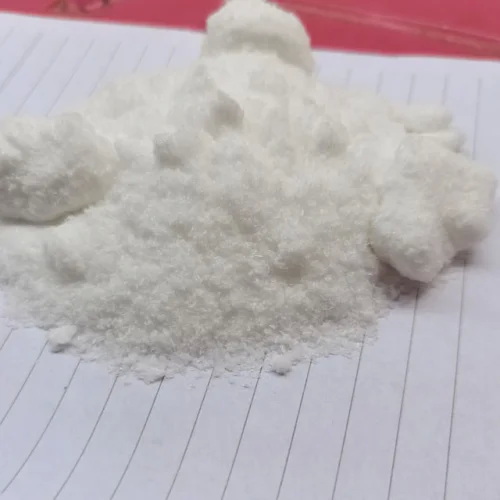
- Pharmaceutical-grade Lidocaine HVL powder
- Sterile, skin-friendly lotion or cream base (preferably without active ingredients that might react with Lidocaine)
- Precision digital scale (accurate to 0.01g) for exact measurement
- Sterilized mixing tools such as spatulas and bowls
- Protective gloves and masks to prevent contamination and inhalation of powder
- Airtight, sterilizable container for storage
- Labels to clearly indicate product contents, concentration, preparation date, and warnings
1. Prepare Your Workstation and Equipment
Disinfect all surfaces, tools, and containers before starting. This step minimizes contamination risks that could cause product spoilage or skin infections.
2. Calculate Desired Lidocaine Concentration
Commercial products usually contain Lidocaine at 2–5% concentration. For a 100g batch of lotion, this means measuring 2–5 grams of Lidocaine HVL powder. Avoid exceeding 5% to reduce the risk of side effects.
3. Weigh Ingredients Accurately
Using the digital scale, measure the appropriate amount of Lidocaine HVL powder and lotion base separately. Accuracy at this stage is essential to maintain safety.
4. Mix Lidocaine Carefully into Lotion Base
Incrementally add Lidocaine powder to the lotion base while stirring gently to ensure even distribution. Begin with gentle folding, then increase to thorough mixing to prevent clumping. Avoid introducing air bubbles during mixing as this can affect texture.
5. Conduct a Patch Test
Prior to widespread use, test a small amount on a small patch of clean, unbroken skin to observe for allergic reactions or irritation. Wait 10–15 minutes to detect numbness onset and any adverse skin response.
6. Package and Label Your Product
Transfer the finished lotion into a dark-colored, airtight container to protect from light and contamination. Use clear labels showing Lidocaine concentration, batch preparation date, expiration date (typically 3 months), and safety instructions.
7. Usage Recommendations
Advise applying a thin layer of lotion only to intact skin, avoiding eyes, mouth, mucous membranes, and open wounds. Use sparingly and do not cover large surface areas all at once.
Maintaining the correct dosage and proper handling ensures product safety and effectiveness:
- Stick with the recommended Lidocaine concentration range of 2% to 5%. Overdosing increases risk, and underdosing compromises pain relief.
- Store homemade Lidocaine lotion in a cool, dark place out of children's reach to preserve stability and prevent accidental ingestion or misuse.
- Always label your product clearly with all relevant information and warnings to avoid misuse and to provide transparency.
Even though Lidocaine is generally safe when used properly, misuse can lead to complications:
Short-Term Side Effects:
- Local skin redness, burning sensation, or mild irritation at the site of application.
- Allergic reactions, including itching, rash, or swelling in sensitive individuals.
Serious Risks:
- Systemic toxicity from over-absorption may cause neurological symptoms such as confusion, dizziness, blurred vision, or even seizures.
- Cardiovascular effects including irregular heartbeat or low blood pressure in severe cases.
- Methemoglobinemia (a rare blood disorder affecting oxygen delivery) is possible, mainly in vulnerable populations like infants or the elderly.
Special Precautions for Pregnancy and Children:
The safety of Lidocaine during pregnancy or breastfeeding is not fully established. Children are generally more sensitive to anesthetics; hence, consulting a healthcare provider is mandatory before any use.
Lidocaine-added lotions serve multiple purposes, making them desirable for various families or brands interested in topical analgesics:
- Temporary relief from minor burns, sunburns, or skin abrasions
- Soothing insect or bug bites that cause itching or pain
- Numbing skin before minor cosmetic procedures such as waxing, tattooing, or hair removal
- Relief from minor muscle pain or soreness after athletic activities
- Alleviating discomfort associated with skin conditions like eczema or psoriasis under doctor supervision
Adding Lidocaine HVL powder to homemade lotion is a feasible way to customize topical pain relief products tailored to individual needs. However, the process requires cautious adherence to dosage guidelines, diligent mixing techniques, and understanding of potential risks. Homemade Lidocaine lotions promise comfort and fast-acting numbing effects but demand respect for safety, hygiene, and legal regulations.
If you are interested in scaling your batch production or launching a brand with professional-grade Lidocaine powders and OEM services, consulting industry experts is highly recommended. Our team offers pharmaceutical-grade Lidocaine HVL powder and comprehensive support for product formulation, assuring you safe, effective outcomes without compromise.
Contact us today to get started on elevating your skincare line with trusted ingredients and expert assistance! Your journey to personalized, high-performance topical solutions begins here.
Safe concentrations for topical Lidocaine generally range from 2% to 5%. Staying within this range minimizes side effects and prevents systemic toxicity. Concentrations above 5% are not recommended without professional supervision.
Lidocaine powder is compatible with most oil- or water-based lotion bases. However, some lotion formulations with complex emulsifiers or active ingredients might affect Lidocaine's stability or absorption. Testing in small batches is recommended.
Legal regulations vary greatly across countries and regions. In some areas, creating topical products with Lidocaine requires licensing or adherence to specific pharmaceutical standards. Always check your local laws before producing or distributing such products.
Individuals with known allergies to Lidocaine or similar amide anesthetics, serious heart conditions, liver impairments, or certain neurological disorders should avoid Lidocaine without medical advice.
Store Lidocaine-infused lotion in a sterilized, airtight, dark container away from heat, moisture, and direct sunlight. Keep out of reach of children and use within three months to ensure efficacy and prevent degradation.