Content Menu
● What Is Lidocaine HCL Powder?
● Lidocaine in DIY Lotion: Is It Safe and Legal?
>> Safety First
● The Science: How Does Lidocaine Work Topically?
● How to Properly Add Lidocaine HCL Powder to Your Homemade Lotion
>> Ingredients and Tools Needed
>> Important Notes on Concentration and Dosage
● Potential Risks and Side Effects of Using Lidocaine Lotion
● Suitable Use Cases for Lidocaine-Infused Lotions
● Best Practices to Ensure Safe and Effective Lidocaine Lotion Use
● FAQ: Lidocaine HCL in Homemade Lotion
>> 1. What is the recommended concentration of lidocaine HCL in DIY lotions?
>> 2. Can I use lidocaine lotion on broken or irritated skin?
>> 3. Is it legal to sell or distribute homemade lidocaine lotions?
>> 4. What are symptoms of lidocaine overdose or allergy?
>> 5. Can lidocaine lotions be used for children?
The pursuit of relief from pain, itching, and discomfort drives many to explore home remedies and custom skincare solutions. Among the ingredients often researched for such use is lidocaine hydrochloride (HCL) powder, a potent local anesthetic well known for its numbing properties in medical and cosmetic applications. But can you safely add lidocaine HCL powder to your homemade lotion? This comprehensive guide addresses the science, methodology, legalities, safety risks, and practicalities of combining lidocaine HCL powder with DIY lotions.
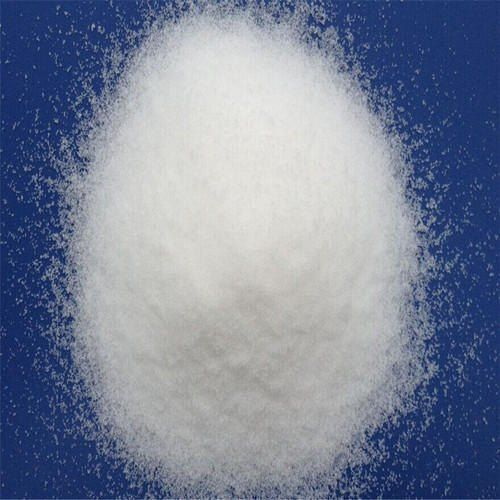
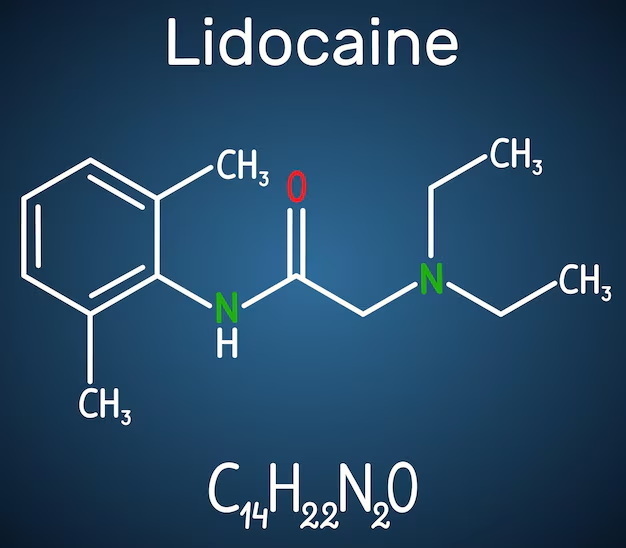
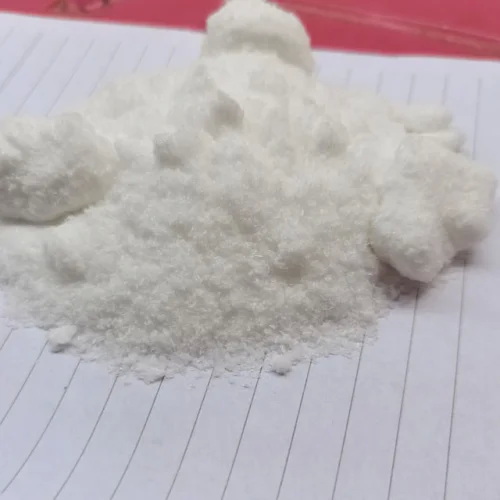
Lidocaine HCL is the hydrochloride salt form of lidocaine, a widely-used anesthetic and antiarrhythmic agent. In powder form, lidocaine HCL is most commonly employed for compounding topical medications, providing quick and effective local anesthesia by blocking nerve signals in the skin and underlying tissues.
When mixed into creams or lotions, lidocaine HCL is designed to:
- Alleviate localized pain (minor burns, insect bites, sunburn, abrasions)
- Reduce itching and discomfort from skin irritations
- Provide numbing during minor cosmetic procedures (tattooing, laser therapy)
Important: While the numbing action is highly beneficial, improper use can lead to serious health risks, including toxicity and allergic reactions.
- Medical Supervision Required: It is critical to consult a healthcare professional before adding lidocaine to any skincare formulation. Appropriate concentration, application area, and frequency must be determined based on individual health status and use case.
- Dosage Control: Lidocaine creams commercially available usually contain 2-5% lidocaine. Exceeding these concentrations can increase the risk of side effects, including skin irritation and systemic toxicity.
- Allergies: Some people may experience allergic reactions to lidocaine. Signs may include rash, itching, swelling, or difficulty breathing. Perform a patch test before widespread use.
- Children and Vulnerable Groups: Use with extreme caution in children, elderly, or those with liver, kidney, or heart conditions.
- Regulation: Lidocaine is regulated in many countries. Excessive or inappropriate use can have legal ramifications. Always ensure compliance with local health regulations and label guidelines when formulating or selling products containing anesthetics.
Lidocaine works by inhibiting sodium channels in nerve endings, preventing the initiation and propagation of pain signals. When incorporated properly into a lotion, lidocaine molecules penetrate the stratum corneum (outer layer of skin) and act locally, providing relief within minutes and lasting up to several hours.
Disclaimer: This procedure is informational and does not constitute medical advice. Always consult with a pharmacist or healthcare provider before undertaking any compounding activities.
- Pharmaceutical-grade Lidocaine HCL Powder: Ensure your lidocaine powder is of pharmaceutical quality to avoid contaminants.
- Cream or Lotion Base: Choose a gentle, unscented, hypoallergenic lotion base suitable for sensitive skin.
- Mixing Tool: Use a glass or plastic spatula to avoid chemical interactions with metal utensils.
- Precision Scale: Accurate dosing is crucial. Use a scale that measures to at least 0.01 grams.
- Sterilized Container: Glass containers with airtight lids are preferred to maintain the product's integrity and prolong shelf life.
- Personal Protective Equipment: Wear gloves and a mask while handling lidocaine powder to prevent inhalation or skin contact.
1. Consultation with a Professional: Before formulation, confirm the dose appropriate for your intended use, usually between 2% to 5% lidocaine by weight.
2. Prepare Your Workspace: Clean and sterilize work surfaces and tools to prevent contamination.
3. Weight Calculation: Determine the amount of lidocaine powder needed. For example, for a 2% concentration, weigh 2 grams of lidocaine for every 100 grams of lotion base.
4. Dissolving the Powder (Optional): Lidocaine HCL powder dissolves readily in water or glycerin, which can help with mixing if your lotion is thick. Use a minimal amount and mix thoroughly.
5. Incorporation: Slowly add the lidocaine powder (or dissolved solution) into the lotion base. Stir continuously to ensure even distribution without lumps.
6. Patch Test: Apply a small amount on the inner arm and wait 24 hours to check for any adverse reactions.
7. Labeling: Clearly label your product, including lidocaine concentration, manufacturing date, and any warnings.
8. Storage: Store in a cool, dry place away from sunlight, children, and pets.
- Start with the lowest effective concentration to mitigate risks.
- Increasing lidocaine concentration beyond 5% is not recommended for topical OTC (over-the-counter) use without medical supervision.
- Be especially cautious when applying to large areas or broken skin due to increased absorption risk.
Using lidocaine powder in homemade lotions brings specific risks that users must be aware of:
- Local Side Effects: Sometimes, the application site may experience burning, redness, swelling, or rash.
- Systemic Toxicity: If too much lidocaine enters the bloodstream, symptoms such as dizziness, blurred vision, ringing in ears, irregular heartbeat, seizures, or breathing difficulties may occur.
- Overdose Risk: Excessive absorption can result in serious neurological and cardiovascular consequences that require immediate medical attention.
- Drug Interactions: Lidocaine can interact with other medications like beta-blockers, antiarrhythmics, or certain antidepressants; always consult a pharmacist about potential interactions.
- Allergic Reactions: Although rare, true allergic reactions to lidocaine can include rash, itching, swelling, and anaphylaxis.
Lidocaine lotions are favored in scenarios where localized pain relief and numbing are needed without systemic side effects. Appropriate occasions include:
- Tattoo and piercing aftercare to reduce pain and itching.
- Post-laser treatments or waxing for calming skin irritation.
- Minor burns and sunburn pain management.
- Relief of itchiness in skin conditions such as eczema.
- Alleviation of discomfort from insect bites or minor cuts and scrapes.
- Adhere to Recommended Dosages: Never exceed 5% lidocaine concentration unless under medical guidance.
- Avoid Open Wounds and Mucous Membranes: Applying lidocaine to broken skin increases risky absorption.
- Limit Frequency and Quantity: Use sparingly and avoid large application volumes.
- Perform Patch Tests: Always test new formulations for allergic or irritant responses.
- Store Properly: Keep your lotion in a sealed container under recommended conditions to avoid degradation and contamination.
- Label Clearly: Provide usage instructions and warnings to prevent misuse.
- Seek Medical Advice: For any adverse effects or uncertainty, contact a healthcare provider immediately.
Adding lidocaine HCL powder to homemade lotions is possible, but it requires meticulous attention to safety, dosage, and quality control. The numbing benefits of lidocaine can effectively alleviate localized pain and discomfort when formulated correctly. However, misuse can lead to serious health risks, including toxicity and allergic reactions, and legal issues could arise if products are sold without proper authorization. For businesses or individuals interested in professional-grade lidocaine topical products, partnering with experienced OEM manufacturers specializing in biotechnology and pharmaceutical formulations offers the best assurance of quality, compliance, and efficacy.
If you are considering customizing your skincare or medical product line with lidocaine-infused lotions, we invite you to contact our expert OEM team. We provide comprehensive services including formulation consultation, high-quality manufacturing, and regulatory compliance support customized for your brand and market needs.
Typically, a concentration of 2% to 5% lidocaine HCL is recommended for topical application. Exceeding 5% should only be done under strict medical supervision due to increased risks of adverse effects.
No. Lidocaine should not be applied on broken, raw, or irritated skin because it can increase absorption into the bloodstream, raising the risk of systemic toxicity.
In most countries, lidocaine-containing products are regulated and usually require licenses or approvals before commercial sales. Distributing homemade lidocaine lotions without proper certification may violate laws.
Overdose symptoms include dizziness, confusion, seizures, irregular heartbeat, and respiratory problems. Allergies may manifest as rash, swelling, itching, or breathing difficulty. Discontinue use and seek emergency medical help immediately if these occur.
Use in children should be approached with extreme caution and only under medical supervision. Typically, lidocaine products are avoided in children under three years of age due to sensitivity and higher risk of side effects.