Content Menu
● Uses of Benzocaine in Personal Lubricants
● Choosing the Right Lubricant Base
● How to Make Your Own Benzocaine Fisting Lube
● Safety Considerations and Best Practices
● Legal and Regulatory Aspects
● Additional Tips for Customization
● FAQs
>> 1. Is it safe to use benzocaine in homemade lube?
>> 2. What concentration of benzocaine is recommended for DIY lube?
>> 3. Can I use benzocaine powder directly on the skin without dilution?
>> 4. How should I store my homemade benzocaine lubricant?
>> 5. What are the risks of using benzocaine lube?
Making personal lubricants at home can be an appealing prospect for those seeking customization, cost savings, or specific ingredient control. One growing interest is the creation of specialized lubricants infused with numbing agents like benzocaine powder to help enhance comfort, especially during more intense or prolonged sexual activities such as fisting or anal intercourse. This article explores whether you can safely and effectively make your own fisting lube using benzocaine powder, what considerations to keep in mind, and how to approach this DIY project responsibly.
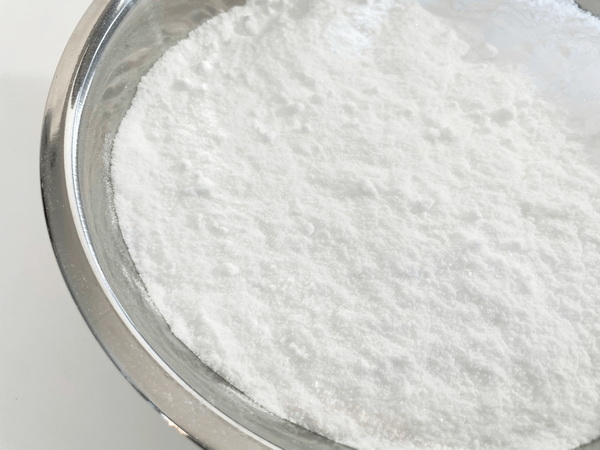
Benzocaine is a widely used local anesthetic that functions by blocking nerve signals in the body, which reduces sensation in the area it is applied to. It is a common ingredient in many over-the-counter products including topical pain relievers, throat lozenges, and sexual lubricants designed to provide a numbing effect. In the context of personal lubricants, benzocaine works by dulling sensation to reduce pain or discomfort during sexual activity. This can be particularly valuable in practices that involve deeper or more intense penetration, where discomfort may otherwise limit enjoyment or cause injury.
In sexual health products, benzocaine is typically included in formulations to provide topical numbing that enhances user comfort. Its use is documented in lubricants aimed at anal sex or fisting, where reduced sensation can help mitigate discomfort caused by friction or stretching. Benzocaine's numbing effect can also help reduce anxiety related to pain anticipation, potentially increasing relaxation and pleasure.
However, because benzocaine reduces sensation, it must be used with caution. Overuse or incorrect concentrations can lead to excessive numbness, which increases the risk of injury and may mask important physiological cues. Therefore, understanding benzocaine's properties and how it interacts with lubricant bases is central to making a safe product.
Before adding benzocaine powder, selecting the appropriate lubricant base is important. Personal lubricants come in several major types:
- Water-based lubricants: These are versatile, easy to clean, and widely compatible with condoms and sex toys. They are the most common base for DIY formulations.
- Silicone-based lubricants: Known for long-lasting slickness, silicone lubricants are waterproof and less likely to dry out but may not mix as easily with some powders without emulsification.
- Oil-based lubricants: These provide slipperiness but can degrade latex condoms and pose hygiene concerns for internal use.
For benzocaine-infused fisting lubes, water-based and silicone-based lubricants are most commonly used due to their stability and safety profiles. Water-based lubes are particularly popular for their ease of mixing with benzocaine powder.
- Benzocaine powder (pharmaceutical grade)
- Lubricant base (water-based or silicone-based)
- Optional emulsifiers or stabilizers to enhance texture and homogeneity
- Sterile mixing containers and measuring tools
1. Measure the benzocaine powder carefully. The concentration is crucial; typical commercial lubricants with benzocaine contain between 5% to 10% benzocaine by weight. Using more than recommended can cause over-numbing and increase risk.
2. Prepare your lubricant base. If using a water-based lube, it should be at room temperature and ready to blend. For silicone-based bases, ensure they are suited to gentle mixing.
3. Mix the benzocaine powder into the base slowly. Stir thoroughly to ensure even dispersion of the powder. Some formulations may require gentle warming or stirring to fully dissolve benzocaine.
4. Test for consistency and texture. Adjust with emulsifiers if necessary to prevent separation of benzocaine from the base.
5. Store the mixture in a clean, airtight container. Label your homemade lubricant clearly and keep it in a cool, dry place away from direct sunlight.
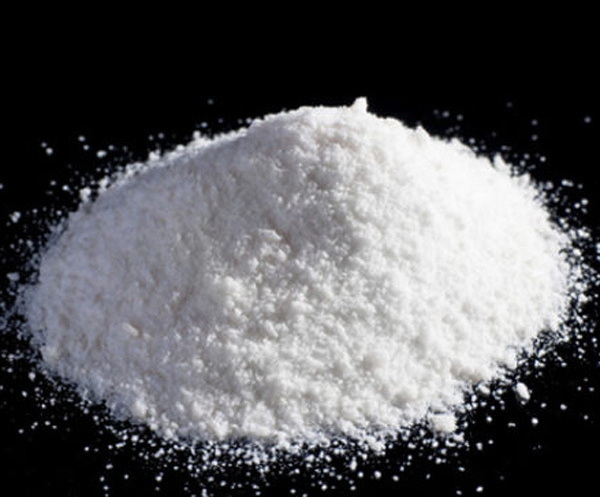
While the prospect of making your own benzocaine lube is attractive, safety must be the top priority given the risks associated with improper concentrations or contamination.
- Do not exceed recommended benzocaine concentrations. Over 10% is generally discouraged without professional formulation guidance.
- Perform a patch test before widespread use. Apply a small amount on a discreet skin area and wait 24 hours to check for allergic reactions or sensitivity.
- Avoid contact with broken skin or mucous membranes unless the product is specifically formulated for such use.
- Do not share homemade lubricants. This prevents the risk of bacterial or viral transmission.
- Consult healthcare professionals if unsure about allergies or sensitivities related to benzocaine.
It's important to be aware that making topical products containing active pharmaceutical ingredients like benzocaine may be subject to regulatory guidelines depending on your country. Commercial products undergo strict quality control and stability testing to ensure safety and efficacy, which is difficult to reproduce in homemade formulations. If producing for sale or distribution, ensure compliance with local laws.
DIY benzocaine lubricants allow you to tailor formulations, including adding other soothing agents or texture enhancers:
- Aloe vera or vitamin E can be added for skin soothing properties.
- Glycerin can increase slipperiness but may cause irritation in sensitive individuals.
- Thickeners such as xanthan gum can enhance viscosity for better application.
Making your own fisting lubricant with benzocaine powder is achievable with careful attention to formulation and safety. Properly measuring benzocaine, selecting a compatible lubricant base, and adhering to hygiene and usage precautions can result in a comfortable and effective product tailored to your preferences. However, for those seeking consistency, regulatory compliance, and professional quality, OEM manufacturing services stand ready to deliver benzocaine-based lubricants with reliable performance and safety standards. Contact us today to discuss customized lubrication solutions that meet your exact needs.
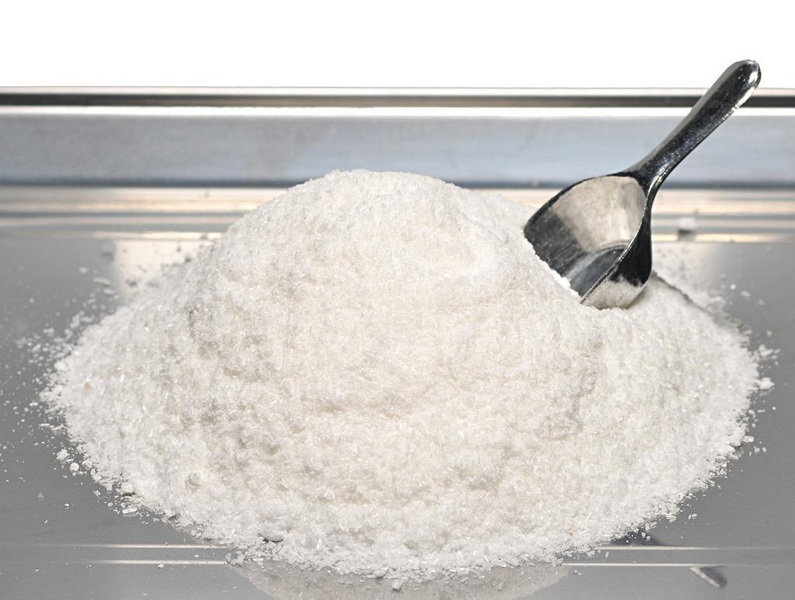
Yes, benzocaine can be safe for use in homemade lubricants if it is used at proper concentrations and with care to avoid allergic reactions or excessive numbness.
Typical commercial formulations contain 5–10% benzocaine. It is advisable not to exceed this range in homemade products.
No, benzocaine powder should always be mixed into a proper lubricant base before application to skin or mucous membranes.
Store it in an airtight container in a cool, dark, and dry place to maintain stability.
Potential risks include allergic reactions, excessive numbness leading to injury, and local irritation. Testing and cautious use minimize these risks.
[1] https://dialnet.unirioja.es/descarga/tesis/46519.pdf
[2] https://patents.google.com/patent/CN112261932A/zh
[3] https://digitallibrary.un.org/record/7634/files/e-nl-1976-119-142-EN.pdf
[4] https://patents.google.com/patent/CN103933621B/it
[5] https://www.autostraddle.com/how-to-safely-make-your-junk-slippery-with-lube-380794/
[6] https://patents.google.com/patent/CN1891300B/en
[7] https://research-solution.com/uplode/books/book-39411.pdf
[8] https://www.made-in-china.com/products-search/hot-china-products/Supply_Benzocaine.html
[9] https://www.usitc.gov/publications/332/pub2470.pdf
[10] https://patents.google.com/patent/CN112516074A/en
Hot tags: Benzocaine Powder, Fisting Lube Recipe, DIY Fisting Lube, Numbing Lubricant, Anal Play Lubricant, Homemade Lube, Fisting Safety, Lubrication Tips, Anal Desensitizing Cream, Best Fisting Lubes