Content Menu
● How Is Lidocaine Powder Misused?
● What Happens When You Snort Lidocaine Powder?
● Health Risks and Dangers of Snorting Lidocaine Powder
>> 1. Nasal and Local Tissue Damage
● Understanding Lidocaine Overdose and Medical Effects
● Why Is Snorting Lidocaine Powder Particularly Dangerous Compared to Medical Use?
● Frequently Asked Questions (FAQ)
>> 1. Can you get high from snorting lidocaine powder?
>> 2. Is lidocaine powder ever intended for snorting?
>> 3. What are the signs of lidocaine overdose?
>> 4. Can snorting lidocaine cause permanent damage?
>> 5. What should I do if someone shows symptoms of lidocaine toxicity?
Lidocaine, a commonly used local anesthetic, plays a pivotal role in relieving pain during minor surgeries, dental procedures, and topical treatments. While it is safe when used under medical supervision, misuse of lidocaine powder by snorting poses severe health risks. This article explores the dangers of snorting lidocaine powder, its effects on the body, and why this practice is extremely hazardous. It also addresses medical insights, case studies, and provides guidance for those looking for professional-grade lidocaine products safely manufactured for medical use.

Lidocaine belongs to the amino amide category of local anesthetics. It functions by blocking sodium channels in nerve cells, effectively preventing the transmission of pain signals to the brain. Available in various forms such as creams, injections, and topical patches, lidocaine powder is used primarily as a pharmaceutical ingredient.
Although therapeutic in nature, lidocaine powder is not intended for inhalation or recreational use. The powder has been misused in illegal drug markets—sometimes as an adulterant in cocaine—and by some individuals attempting to achieve a numbing sensation through snorting. However, this misuse bypasses safety controls and significantly increases the risk of toxic and harmful effects.
Lidocaine powder misuse typically occurs in two main contexts:
- Adulteration in Illicit Drugs: Due to its numbing effect similar to cocaine's, lidocaine is often mixed with street drugs to mimic or enhance effects, putting unsuspecting users at risk of overdose and additional toxicity.
- Direct Snorting: Some individuals snort lidocaine powder seeking its numbing properties recreationally. This is dangerous as it entails uncontrolled dosing and exposure to high systemic levels of the drug.
Both scenarios lead to unpredictable health hazards due to rapid and uncontrolled absorption.
When lidocaine powder is snorted, it is absorbed quickly through the delicate nasal mucosa, allowing the drug to enter the bloodstream rapidly. While this creates an immediate numbing sensation, it exposes the user to toxic systemic levels. Unlike medically administered lidocaine, snorted powder doses are not controlled or monitored, dramatically increasing the chance of overdose.
Moreover, repeated snorting irritates and damages nasal tissues, setting off a cascade of localized harms. The nasal lining and surrounding structures can be severely compromised over time.
Repeated exposure to lidocaine powder in the nasal passages leads to irritation, inflammation, and progressive tissue destruction. This includes:
- Burning sensations and pain in the nostrils
- Nosebleeds and chronic rhinitis (runny nose)
- Loss of sense of smell
- Nasal septum perforation, where the cartilage dividing the nostrils wears away completely
- Ulceration and necrosis (tissue death) of nasal membranes
Damage to nasal tissues can be permanent and often requires surgical repair if extensive.
Unintended systemic absorption of lidocaine powder through snorting can lead to a serious condition called Local Anesthetic Systemic Toxicity (LAST). Symptoms typically involve the nervous system and cardiovascular system and can quickly worsen if untreated.
Common signs of lidocaine toxicity include:
- Dizziness, confusion, and disorientation
- Tingling or numbness around the mouth and extremities
- Visual disturbances and ringing in the ears (tinnitus)
- Nausea and vomiting
- Tremors, muscle twitching, or seizures
- Cardiac irregularities, including arrhythmias and cardiac arrest
- Respiratory depression or failure
- Loss of consciousness or coma
The rapid onset of these effects from intranasal lidocaine can be life-threatening without immediate medical intervention.
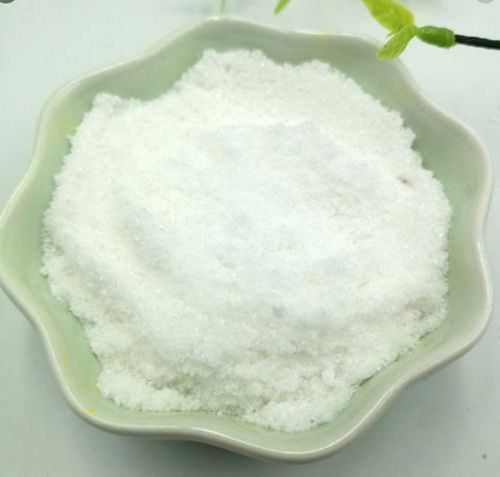
Case studies have reported fatal strokes and deaths following intranasal lidocaine use. Fatalities often occur when large uncontrolled doses are inhaled or when lidocaine is mixed with other substances such as cocaine or heroin. The simultaneous use of lidocaine with other central nervous system depressants increases the risk of severe toxicity and death.
Using the same instruments for snorting increases the risk of transmitting infectious diseases like hepatitis B, hepatitis C, and other bloodborne infections. Additionally, chronic inflammation and damage create a gateway for bacterial infections in the nose and sinuses, potentially spreading to adjacent areas such as the eyes, brain, and ears.
Lidocaine is generally safe when administered correctly by professionals. However, overdose usually results from excessive plasma concentration resulting from high doses or improper administration routes like snorting. The toxicity impacts multiple organs and manifests in both excitation and depression of the nervous system.
Central Nervous System (CNS) effects manifest early with symptoms such as nervousness, agitation, dizziness, hallucinations, or seizures. As overdose progresses, suppression of CNS activities, including respiratory depression and coma, can occur.
Cardiovascular complications include hypotension (low blood pressure), bradycardia (slow heart rate), arrhythmias, and potentially cardiac arrest.
Specialized treatments in hospitals include benzodiazepines for seizures, advanced airway management, intravenous lipid emulsion therapy to trap the anesthetic, and supportive cardiovascular measures.
In medical use, lidocaine is administered in precise dosages, under supervision, and often in ways that limit systemic absorption (e.g., topical creams or localized injections). Pharmacological formulations often include vasoconstrictors like adrenaline to reduce systemic uptake and duration of action.
Conversely, snorting delivers lidocaine directly into mucosal blood vessels without dosing controls, leading to:
- Rapid onset of toxic levels in bloodstream
- Continuous exposure to damaged nasal tissues without healing
- Increased risk of interactions with other substances
- Unpredictable health outcomes including sudden death
Snorting lidocaine powder is a dangerous and potentially fatal misuse of a medically valuable drug. Though lidocaine is an effective local anesthetic when used properly, inhaling it through the nose leads to severe nasal tissue damage, systemic toxicity, and risks of fatal overdose. This misuse can cause long-lasting harm to the respiratory, neurological, and cardiovascular systems.
If you or someone you know is seeking pain relief or anesthesia, always use medications as directed by healthcare professionals. Avoid self-medicating with powders or unknown substances, particularly by snorting.
For medical brands, wholesalers, and manufacturers looking for high-quality, compliant lidocaine products, professional OEM services with rigorous quality control and safety standards are essential. We invite you to contact us to discuss your needs for reliable lidocaine formulations and technical support.
No, lidocaine does not produce euphoria or typical drug highs. It causes numbness but carries serious risk of poisoning, overdose, and death.
No. Lidocaine powder is formulated for topical use or injection, never for insufflation or recreational inhalation.
Symptoms include dizziness, confusion, numbness near the mouth, seizures, irregular heartbeat, respiratory depression, and unconsciousness. Emergency medical help is vital.
Yes. Chronic snorting can cause irreversible nasal septum perforation, tissue necrosis, chronic infections, and sensory loss.
Call emergency services immediately. Provide details about the substance used and amount if possible. Prompt hospital treatment improves survival chances.
[1] https://en.wikipedia.org/wiki/Lidocaine
[2] https://www.medicalnewstoday.com/articles/lidocaine-overdose
[3] https://www.addictioncenter.com/drugs/cocaine/snorting-cocaine/
[4] https://www.drugs.com/sfx/lidocaine-side-effects.html
[5] https://pmc.ncbi.nlm.nih.gov/articles/PMC5030879/
[6] https://www.poison.org/articles/lidocaine-can-cause-harmful-effects-172
[7] https://www.health.nsw.gov.au/aod/public-drug-alerts/Pages/cocaine-cont-heroin-lidocaine.aspx
[8] https://pubmed.ncbi.nlm.nih.gov/9117389/
[9] https://www.nhs.uk/medicines/lidocaine-for-mouth-and-throat/side-effects-of-lidocaine-for-mouth-and-throat/
[10] https://www.cfsre.org/images/content/reports/public_alerts/CainesPublic_Health_Alert_-_Final.pdf
Hot tags: Lidocaine Powder Risks, Snorting Lidocaine Dangers, Health Effects of Lidocaine, Lidocaine Overdose Symptoms, Snorting Drugs Risks, Lidocaine Nasal Use, Lidocaine Side Effects, Snorting Anesthetics, Lidocaine Abuse Potential, Lidocaine Powder Safety