Content Menu
● Industrial and Medical Applications
>> Medical Uses
>> Industrial and Manufacturing Uses
● Pharmacology and Mechanism of Action
● Lidocaine Toxicity: How Can It Become Dangerous?
>> Symptoms of Lidocaine Toxicity
● Safe Handling, Storage, and Use
● Emergency Response to Lidocaine Overdose
● Why Choose a Professional OEM Lidocaine Supplier?
● Frequently Asked Questions (FAQ)
>> 1. What happens if lidocaine powder is swallowed or injected accidentally?
>> 2. How does topical lidocaine become dangerous?
>> 3. What is a safe dose range for lidocaine powder in medical settings?
>> 4. Can children use lidocaine-based products safely?
>> 5. What steps should I take if I suspect lidocaine poisoning?
Lidocaine, a well-known local anesthetic, is widely used in the medical field to provide pain relief during surgeries and various minor procedures. Despite its tremendous benefits, misunderstanding or misusing lidocaine—especially in its raw powder form—carries potentially severe, even fatal, risks. In this comprehensive article, we explore the safety profile, industrial and medical uses, the risks of overdose, and best practices for handling lidocaine powder.
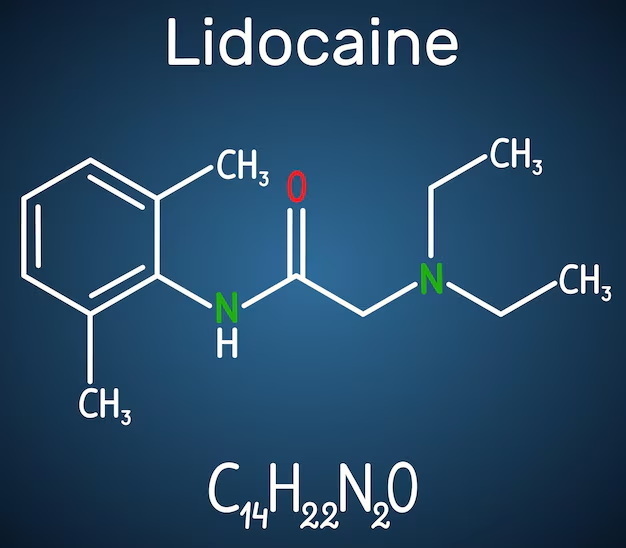
Lidocaine powder is a high-purity raw material, typically above 99%, primarily used in the pharmaceutical industry for producing injectable solutions, topical creams, sprays, and patches. Its main role is to temporarily block nerve signals in the body, thereby creating localized numbness and pain relief. Apart from anesthetic uses, lidocaine is also an essential antiarrhythmic agent utilized in emergency cardiac care.
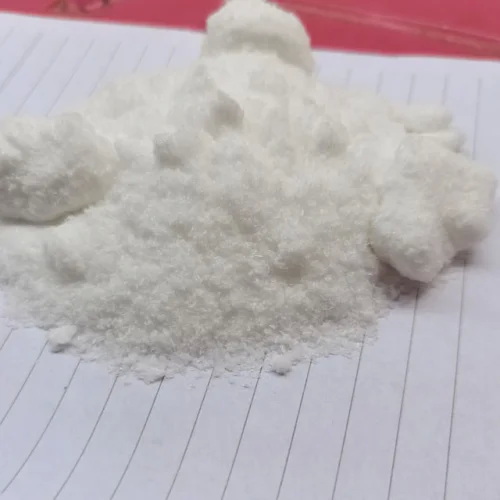
Lidocaine powder is a white crystalline substance and must be handled carefully due to its potency. It is not intended for direct human consumption or self-administration in raw form. Instead, it serves as a foundational ingredient in multiple dosage forms that undergo rigorous formulation and quality control processes.
- Local Anesthesia: Dentists, dermatologists, and surgeons frequently rely on lidocaine for pain-free procedures, including injections, minor surgeries, and dental work.
- Topical Pain Relief: Lidocaine-based creams, gels, and sprays soothe pain from burns, cuts, insect bites, and other superficial injuries.
- Cardiac Rhythm Management: In emergencies, intravenous lidocaine is used to treat ventricular arrhythmias and stabilize heart rhythms.
- OEM Supply for Branded Products: Factories worldwide produce lidocaine powder to supply pharmaceutical companies, cosmetic manufacturers, and healthcare distributors who use it to create finished products.
- Formulation Base: The powder acts as an essential starting material for the synthesis of various topical, injectable, and transdermal lidocaine products, which undergo strict quality testing to ensure safe dosing.
Handling lidocaine powder requires good manufacturing practices (GMP), proper storage conditions to avoid degradation, and protective measures for workers to limit exposure.
Lidocaine works by blocking voltage-gated sodium channels on nerve cell membranes. This inhibition prevents the initiation and conduction of nerve impulses, effectively numbing the targeted area to relieve pain. Because lidocaine affects the nervous system, its dosage must be carefully controlled. If systemic absorption becomes excessive, it can interfere with central nervous and cardiovascular system function.
Though lidocaine is generally safe under clinical supervision, accidental or intentional overdose can lead to serious, even fatal, outcomes. This danger arises because lidocaine impacts both the nervous and cardiovascular systems and can depress vital functions if present in excessive amounts.
- Ingesting powder accidentally or intentionally: Lidocaine powder is not for oral consumption. Accidental swallowing or intentional ingestion can lead to rapid systemic toxicity.
- Improper topical application: Applying lidocaine creams or gels in excessive amounts, to large skin areas, to broken or irritated skin, or under occlusive dressings increases absorption and toxicity risk.
- Inhalation or injection by unqualified personnel: Inappropriate injection or inhalation can cause immediate and severe systemic effects.
Certain populations are more susceptible to lidocaine toxicity, including children, elderly patients, and individuals with heart, liver, or metabolic dysfunction.
Early symptoms indicating lidocaine overdose generally affect the central nervous system:
- Dizziness and blurred vision
- Confusion and disorientation
- Ringing in the ears (tinnitus)
- Sensory disturbances like numbness or tingling, especially around the mouth
- Nausea and vomiting
- Slurred speech and difficulty swallowing
- Euphoria or agitation
If untreated, toxicity worsens and causes severe effects:
- Muscle twitching or uncontrollable tremors
- Seizures due to overstimulation of the CNS
- Respiratory depression or arrest
- Cardiovascular collapse with low blood pressure, slow heart rate, arrhythmias, or heart block
- Loss of consciousness or coma
- Death
The exact toxic dose of lidocaine varies depending on patient weight, route of administration, and individual sensitivity. Animal studies have reported an oral lethal dose as low as 292 mg/kg. In humans, ingestion or systemic absorption beyond 5,000 mg is considered extremely dangerous. In contrast, topical overuse can cause toxicity at much lower doses, particularly in vulnerable groups.
Healthcare providers generally follow strict maximum dosage guidelines; for example, a maximum clinical dose of lidocaine with epinephrine is typically 7 mg/kg body weight, but raw powder should never be self-administered or dosed outside professional control.
Given lidocaine powder's potency and risk profile, strict safety protocols are essential:
- Storage: Keep powder in labeled, airtight containers, stored in cool, dry conditions away from unauthorized personnel, children, or pets.
- Protective Equipment: Personnel handling raw powder in manufacturing must wear gloves, masks, and protective clothing to avoid inhalation or skin contact.
- Dosing: Use only pre-measured, formulated lidocaine products for medical or consumer use. Avoid direct handling or use of raw powder by non-professionals.
- Application: Follow instructions carefully when using lidocaine creams or gels—apply thin layers on intact skin and avoid large surface areas or broken skin.
- Disposal: Dispose of unused or expired substances according to hazardous waste regulations to prevent accidental exposure.
Educating users and healthcare providers about these precautions reduces the likelihood of accidental poisoning or misuse.
In cases of suspected overdose, immediate medical attention is vital. Treatment typically begins with airway management and supportive care for breathing and circulation. Seizures may be treated with benzodiazepines, and cardiovascular instability requires monitoring and interventions like intravenous fluids or medications.
In some cases, lipid emulsion therapy (intravenous fat emulsions) is used as an antidote to bind and neutralize lipophilic toxins like lidocaine during severe systemic toxicity episodes.
For pharmaceutical brands, wholesalers, and manufacturers seeking OEM services, sourcing high-quality lidocaine powder from trustworthy suppliers is crucial. Quality assurance, purity, regulatory compliance, and technical support ensure your formulations will be safe and effective.
When working with a reliable partner, you gain:
- Access to pharmaceutical-grade raw materials produced under GMP standards
- Custom formulation assistance tailored to your product needs
- Comprehensive documentation and quality certifications
- Expert guidance on dosage, safety, and regulatory requirements
Partnering with an experienced lidocaine powder manufacturer helps reduce risks, optimize product performance, and maintain compliance with international standards.
Lidocaine powder is an invaluable component in modern medicine, widely appreciated for its efficient local anesthetic and antiarrhythmic properties. However, this powerful substance must be handled with respect and care. Improper handling, overdose, or misuse—especially with raw powder—can rapidly cause severe, life-threatening toxicity.
Understanding lidocaine's pharmacology, potential risks, safety precautions, and emergency protocols protects patients, healthcare workers, and manufacturers alike. If you are a medical manufacturer or brand looking for high-grade lidocaine powder with reliable OEM services, choose certified suppliers with expertise to ensure product safety and quality.
Always consult healthcare professionals before administering lidocaine-containing products, and never experiment with raw powder outside controlled, professional environments.
Are you interested in a dependable lidocaine powder supplier tailored to your brand's requirements? Contact us today to explore customized OEM solutions and technical support to ensure safety and excellence.
If ingested or injected, lidocaine is quickly absorbed and can cause symptoms ranging from dizziness and nausea to muscle tremors, seizures, heart arrhythmias, and even death. Immediate emergency medical care is critical to manage toxicity.
Applying excessive quantities over large or broken skin areas, or under occlusive dressings, increases systemic absorption, raising the risk of toxicity. Symptoms may escalate from numbness to severe neurological and cardiac complications.
Safe dosing depends on body weight, medical condition, and administration route. Only trained professionals should calculate or administer doses based on approved clinical guidelines. Raw powder should never be used directly without proper formulation.
Pediatric patients are particularly sensitive to lidocaine toxicity. Even small overdoses can be dangerous. Use in children requires strict medical supervision, and lidocaine should never be used for teething pain or administered without professional guidance.
Seek urgent medical assistance or contact poison control centers immediately. Do not induce vomiting or wait for symptoms to worsen. Early intervention significantly improves outcomes.