Content Menu
● What is Procaine Penicillin?
● Traditional Route: Intramuscular Injection
● Can Procaine Penicillin Be Given Subcutaneously?
>> Pharmacokinetics and Efficacy
>> Clinical Use and Guidelines
● Injection Techniques for Subcutaneous Administration
● Potential Risks and Considerations
● Regulatory and Labeling Perspective
● Summary of Intramuscular vs. Subcutaneous Administration
● Frequently Asked Questions (FAQ)
>> 1. Can Procaine Penicillin be safely injected subcutaneously?
>> 2. What are the common side effects of subcutaneous Procaine Penicillin?
>> 3. Is the absorption of Procaine Penicillin slower with subcutaneous injection?
>> 4. Can subcutaneous Procaine Penicillin be used in food-producing animals?
>> 5. What precautions should be taken when administering Procaine Penicillin subcutaneously?
Procaine Penicillin is a widely used antibiotic combination consisting of procaine, a local anesthetic, and penicillin G, a potent bactericidal antibiotic. It is primarily used to treat bacterial infections in humans and animals. The conventional route of administration is intramuscular injection, which offers sustained release and systemic effects. However, the question often arises: Can Procaine Penicillin be given subcutaneously? This article explores the pharmacological, clinical, and practical aspects of subcutaneous administration of Procaine Penicillin, discusses its safety and efficacy, highlights injection techniques, and provides insights for healthcare and veterinary professionals.
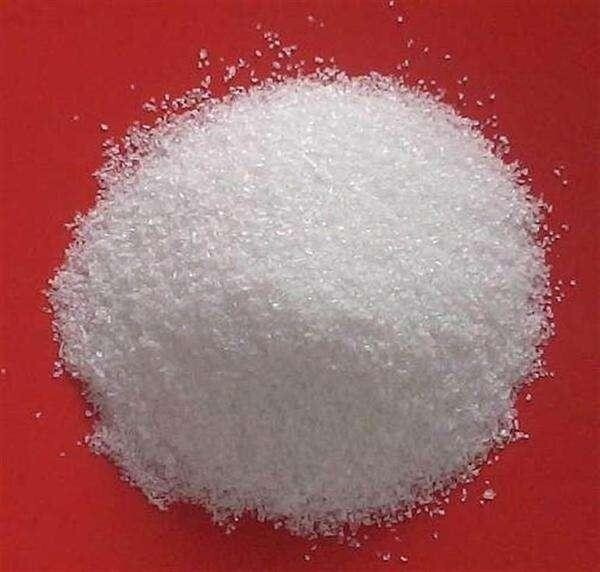
Procaine Penicillin combines the local anesthetic procaine with penicillin G, which extends the antibacterial action by slowing the release and absorption of penicillin into the bloodstream. This formulation allows for moderate release over time, making it effective against penicillin-sensitive bacterial infections such as respiratory, skin, and soft tissue infections.
- Procaine: Provides local anesthesia to reduce pain at the injection site.
- Penicillin G: Acts as the antibiotic component killing susceptible bacteria.
The unique formulation makes Procaine Penicillin suitable for infections requiring prolonged antibiotic exposure, increasing compliance and treatment efficacy.
Intramuscular (IM) injection is the most common administration route for Procaine Penicillin. IM injections allow the suspension to be absorbed slowly into systemic circulation, providing a prolonged therapeutic effect.
- IM injections result in higher peak plasma concentrations.
- The drug dissolves slowly at the injection site, maintaining blood levels for 15-20 hours.
- IM injection is the approved and labeled route for Procaine Penicillin in most clinical guidelines.
Because of the slow release from the muscle tissue, IM administration produces sustained antibiotic levels with fewer doses, which benefits both patients and veterinary applications.
Studies have shown notable differences between intramuscular and subcutaneous (SC) administration of Procaine Penicillin:
- IM injections produce higher maximum plasma concentrations (Cmax) compared to SC injections, essential for rapid bactericidal activity.
- SC injections result in longer mean residence time (MRT) of penicillin but lower peak drug levels.
- SC injections tend to produce visible drug deposits and cause inflammation at the injection site for longer periods than IM injections.
In a 1993 study on cattle, subcutaneous injection of high doses of Procaine Penicillin was associated with increased site inflammation and hemorrhage. Researchers recommended against the SC route for high-dose penicillin treatments because of these local tissue effects and the lack of an established withdrawal period, which is crucial for food safety in livestock.
At the same time, some veterinary practices use SC injections at adjusted doses to manage infections where intramuscular injections may pose risks or be impractical, but this requires careful risk-benefit analysis and monitoring.
In human medicine, subcutaneous Procaine Penicillin is rare and generally considered off-label, with limited data supporting its clinical use.
- Procaine Penicillin is primarily intended and labeled for intramuscular administration.
- Subcutaneous use is often off-label and not typically recommended due to unpredictable absorption rates and higher risk of local site reactions.
- In veterinary medicine, SC administration may be used selectively at low doses under professional supervision.
- SC injection may be more practical for some patients who have difficulties with IM injections or where IM injections pose risk (e.g., muscle diseases or risk of nerve injury).
- Certain local anesthesia techniques employing procaine (without penicillin) are administered subcutaneously for minor procedures.
When considering SC administration, clinicians should carefully account for the altered pharmacokinetics, ensure the correct needle size, injection volume, and site, and observe for adverse reactions.
For practitioners considering the subcutaneous route for Procaine Penicillin, the injection technique is critical to minimize complications and optimize drug delivery:
1. Site Selection: Common subcutaneous injection sites include the loose skin over the abdomen, upper thighs, and outer arms in humans; in veterinary patients, the flank and neck regions are frequently used.
2. Needle Size: A short needle (usually 25-27 gauge) is preferred to ensure the drug is deposited within the subcutaneous tissue. Using a needle that is too long may inadvertently deliver the drug intramuscularly.
3. Injection Volume: Large injection volumes in SC tissue can cause discomfort and local tissue damage. Volumes should be limited to small doses typically less than 2 mL per site.
4. Aseptic Technique: Ensuring sterile technique reduces the risk of introducing infections into the subcutaneous space.
5. Injection Method: The skin should be gently pinched to lift the subcutaneous tissue away from the muscle before inserting the needle at a 45-degree angle.
6. Post-Injection Monitoring: Patients should be observed for redness, swelling, pain, or signs of infection at the injection site.
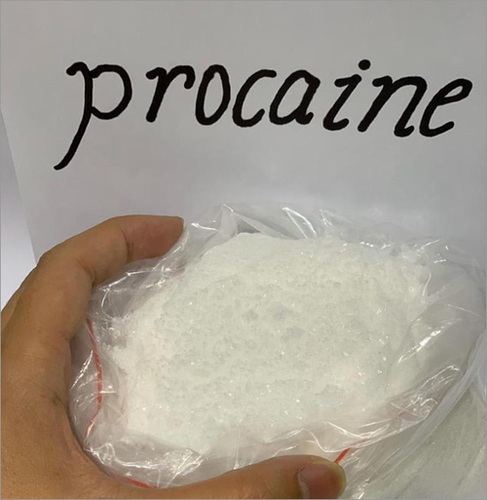
- Local Inflammation and Pain: The subcutaneous route can cause more pronounced local inflammation than the intramuscular route due to the less vascularized nature of subcutaneous tissue and slower drug absorption.
- Tissue Necrosis: In rare cases, improper injection technique can lead to skin necrosis or abscess formation.
- Delayed Absorption: The SC route leads to slower absorption, which might reduce peak therapeutic levels, making it less suitable for urgent or severe infections.
- Dosing Adjustments: Switching from IM to SC often requires dose modification to maintain effectiveness, a practice that must be guided by pharmacokinetic data and clinical judgment.
- Withdrawal Period in Animals: This is of particular concern in veterinary medicine, especially in food-producing animals. SC injections lack established withdrawal periods for high-dose Procaine Penicillin, creating potential food safety hazards.
- Patient Comfort and Preference: While SC injections are generally less painful than IM injections for many drugs, Procaine Penicillin's formulation may cause discomfort due to local tissue irritation.
Most regulatory authorities including the FDA and EMA approve Procaine Penicillin specifically for intramuscular use. Product labeling typically instructs against subcutaneous administration or does not include it as an approved route. Using Procaine Penicillin subcutaneously may be considered off-label or investigational, requiring informed consent and adherence to clinical guidelines.
|
Parameter |
Intramuscular Injection |
Subcutaneous Injection |
|
Maximum Plasma Concentration |
Higher |
Lower |
|
Absorption Rate |
Faster |
Slower |
|
Injection Site Inflammation |
Lower |
Higher |
|
Mean Residence Time |
Shorter |
Longer |
|
Withdrawal Period (Animals) |
Established |
Not Established |
|
Injection Volume Capacity |
Moderate (up to 5 mL) |
Small (usually <2 mL) |
|
Patient Comfort |
Moderate pain |
Often less painful but variable due to irritation |
While Procaine Penicillin is primarily recommended and approved for intramuscular injection, subcutaneous administration is technically possible but less common due to important pharmacokinetic and safety considerations. The SC route leads to slower absorption, lower peak blood levels, and a higher incidence of local inflammatory reactions. These factors limit its use primarily to cases where IM injection is contraindicated or impractical, particularly in veterinary practice with adjusted dosing and careful monitoring.
Healthcare and veterinary professionals should carefully evaluate the benefits and risks when considering SC use, employ appropriate injection techniques, and observe patients diligently for adverse reactions. Regulatory guidelines generally do not support SC administration, emphasizing the importance of adhering to approved routes for safety, efficacy, and legal compliance.
For companies and professionals looking for reliable Procaine Penicillin formulations and OEM services in biotechnology, pharmaceuticals, and medical devices, partnering with experienced manufacturers ensures quality assurance, compliance, and tailored solutions to meet your product needs.
Contact us today to explore how we can help you achieve the highest standards in Procaine Penicillin products for your specific requirements.
Procaine Penicillin can be injected subcutaneously, but this route is generally not preferred over intramuscular injection due to lower peak drug levels, slower absorption, and increased risk of local tissue reactions.
Common side effects include injection site pain, swelling, inflammation, and in some cases, abscess formation or skin irritation due to slower drug dissolution in subcutaneous tissue.
Yes, subcutaneous injection results in slower absorption and prolonged mean residence time but lower maximum plasma concentrations compared to intramuscular injection.
Caution is advised when using subcutaneous Procaine Penicillin in food-producing animals because no established withdrawal period exists for high-dose SC injections, leading to food safety concerns regarding drug residues.
It is important to use aseptic techniques, select appropriate needle size and injection site, limit injection volume to avoid tissue damage, and monitor the injection site carefully for signs of local reactions.
[1] https://pubmed.ncbi.nlm.nih.gov/12241099/
[2] https://www.tradeindia.com/cn/penicillin-g-procaine.html
[3] https://www.ema.europa.eu/en/documents/mrl-report/procaine-summary-report-committee-veterinary-medicinal-products_en.pdf
[4] https://www.made-in-china.com/products-search/hot-china-products/Procaine_Penicillin_Injection.html
[5] https://labeling.pfizer.com/showlabeling.aspx?id=718
[6] https://www.cphi-online.com/procaine-benzylpenicillinsterile-prod669748.html
[7] https://pubmed.ncbi.nlm.nih.gov/8269359/
[8] https://www.made-in-china.com/products-search/hot-china-products/Procaine_Penicillin.html
[9] https://jamanetwork.com/journals/jamadermatology/fullarticle/522730
[10] https://www.made-in-china.com/manufacturers/penicillin-g-procaine-sodium.html
Hot tags: Procaine Penicillin Subcutaneous Use, Subcutaneous Injection Guidelines, Procaine Penicillin Administration, Injectable Antibiotics Routes, Procaine Penicillin Dosage, Subcutaneous Injection Risks, Antibiotic Injection Techniques, Procaine Penicillin Efficacy, Injection Site Reactions, Veterinary Antibiotic Administration