Content Menu
>> Common Chemicals Used in Crack Production:
● Can Procaine be Used to Make Crack Cocaine?
>> Why Procaine Is Not Used in Crack Synthesis:
● Use of Procaine and Benzocaine as Cutting Agents in Illicit Drugs
>> Common Cutting Agents in Cocaine/Crack:
● Medical and Industrial Use of Procaine
>> Procaine Production and Quality Control:
● Health Risks Associated With Using Procaine as a Drug Adulterant
● Law Enforcement and Regulatory Status
● Frequently Asked Questions (FAQ)
>> 1. Can procaine be converted into crack cocaine?
>> 2. Why is procaine sometimes found in street cocaine?
>> 3. Is procaine safe to use medically?
>> 4. How is crack cocaine chemically made?
>> 5. Can adulterants like procaine affect the safety of cocaine?
In the fields of biotechnology and pharmaceuticals, substances such as procaine play crucial roles primarily as local anesthetics. However, misconceptions exist around the potential misuse of these compounds, including whether procaine can be used to manufacture illicit drugs like crack cocaine. This article explores the scientific, chemical, and practical realities behind procaine and its relationship to crack cocaine production. We will also touch upon the broader context of such substances, focusing on safety, legality, and biochemical applications.
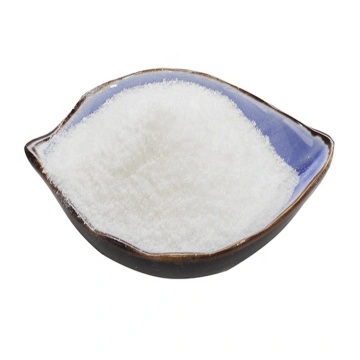
Procaine, chemically known as 2-(diethylamino)ethyl 4-aminobenzoate, is a synthetic ester local anesthetic commonly used in medical and dental procedures to numb tissues in a specific area. Procaine is classified as a short-acting anesthetic and functions by blocking nerve signals in the body.
- Uses of Procaine: Medical anesthesia, minor surgeries, infiltration anesthesia, and sometimes in combination therapies.
- Chemical properties: Procaine is a white crystalline powder soluble in water and alcohol.
- Safety profile: When used as directed, it is generally safe but can cause allergic reactions or side effects if misused.
Procaine was first synthesized in the early 20th century as a safer alternative to cocaine for local anesthesia, and it has remained widely used due to its effectiveness and comparatively low toxicity. The compound works by blocking sodium channels in nerve cells, preventing the transmission of pain signals.
Crack cocaine is a potent, smokable form of cocaine derived from powdered cocaine hydrochloride processed into a crystalline “rock” form. The process to make crack cocaine involves removing the hydrochloride salt from cocaine hydrochloride using a base like baking soda or ammonia.
- Crack cocaine characteristics:
- Freebase form of cocaine, making it smokable.
- Produces intense and rapid euphoric effects.
- Highly addictive and illegal worldwide.
Crack cocaine emerged in the early 1980s and quickly became a major public health crisis due to its addictive nature and rapid onset of effects. Its smokable form allows the drug to reach the brain quickly, intensifying the experience but also increasing the risks of addiction and harmful side effects.
The synthesis of crack cocaine typically involves mixing powdered cocaine hydrochloride with water and baking soda or ammonia. This mixture is boiled to remove the hydrochloride component, which causes the cocaine base to precipitate out as solid “rocks.” These are then dried and sold illicitly.
- Powdered cocaine hydrochloride
- Water
- Sodium bicarbonate (baking soda) or ammonia
The removal of the hydrochloride salt is important because it converts cocaine into a freebase form, which vaporizes at lower temperatures making it smokable. The resulting crack rocks are then packaged and distributed illegally.
The chemical reaction involved is essentially a base-induced freebasing, where the acidic cocaine hydrochloride is neutralized by the base, liberating the freebase. This freebase form is volatile and can be smoked, delivering rapid drug effects.
The straightforward answer is No. Procaine is not a precursor or ingredient used in the production of crack cocaine. The confusion likely arises from procaine's use as a cutting or adulterating agent in street drugs.
- Chemical structure difference: Procaine and cocaine are chemically distinct; procaine lacks the structure needed to be converted into cocaine or freebase cocaine.
- No role in hydrochloride removal: Procaine does not act as a base or reactant capable of removing hydrochloride from powdered cocaine.
- Different pharmacological effects: Procaine is a local anesthetic, while cocaine is a stimulant affecting the central nervous system.
The process to make crack requires specific chemical properties and reactions that procaine simply does not possess. While procaine may be found in some cocaine mixtures, it does not contribute to the drug's psychoactive form and cannot be used to synthesize crack.
While procaine is not used to make crack cocaine, it may appear as a cutting agent mixed with cocaine to increase bulk or mimic numbing effects associated with cocaine use. This practice is common in illicit drug markets as dealers seek to increase profits by diluting expensive drugs without losing the sensory cues users expect.
- Benzocaine
- Lidocaine
- Procaine
- Talcum powder
- Other stimulants or opioids like fentanyl
These substances can mimic the numbing sensation users expect from cocaine due to their anesthetic properties. However, such adulteration increases the risks for users, as the presence of unknown and potentially harmful substances can cause unpredictable health effects, including toxicity and overdose.
The addition of these agents is strictly illegal and contributes to the dangers associated with street drug use. Users are often unaware of the substances they are ingesting, which complicates treatment and rehabilitation efforts.
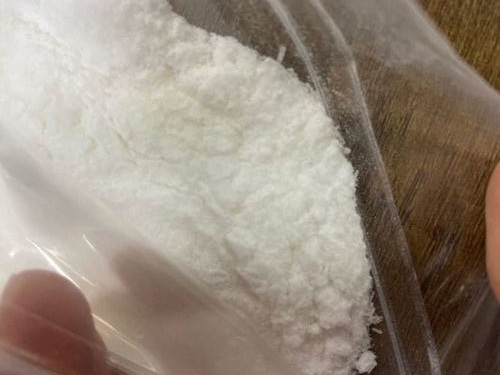
Contrasting the illegal misuse, procaine is a pharmaceutical-grade compound widely produced and supplied for legitimate medical applications. It is an essential anesthetic in surgeries and dental procedures worldwide.
- Manufactured under strict GMP (Good Manufacturing Practice) conditions.
- Certified reference materials are used for quality assurance.
- Regulatory approval required for medical applications.
Our company, supplybenzocaine.co.uk, specializes in the manufacture and supply of pharmaceutical intermediates including procaine and benzocaine. We provide reliable OEM services to foreign brands, wholesalers, and producers, ensuring quality and compliance with global standards.
The company's role in pharmaceutical manufacturing supports safe medical practice globally, supplying high-purity procaine for use in approved therapies.
When procaine or related anesthetics are used as adulterants in street drugs, users risk several health complications:
- Allergic reactions, ranging from mild irritation to severe anaphylaxis
- Cardiovascular troubles including irregular heartbeat and blood pressure changes
- Increased toxicity due to unknown dosing and interactions
- Potential interaction with other adulterants increasing overdose risk
Because these substances are added without quality control or medical oversight, their presence greatly complicates medical emergencies related to drug use. Hospitals and emergency responders must often treat unknown compositions, which can delay effective treatment.
Procaine is a controlled substance in many countries but is legally available for medical use. Crack cocaine, by contrast, is a banned substance globally.
- Procaine is regulated under pharmaceutical and narcotics control laws.
- Crack cocaine is illegal and associated with significant criminal penalties.
- Manufacturers and suppliers must comply strictly with regulatory frameworks to avoid misuse and diversion.
Governments maintain stringent systems to monitor controlled substances including procaine to prevent them from entering illicit markets, while facilitating their availability for legitimate healthcare.
Procaine cannot be used to make crack cocaine. It is not chemically suitable for conversion into crack and serves different medical purposes as a local anesthetic. However, procaine and similar anesthetics may be found as cutting agents in illicit cocaine products, posing health risks due to adulteration. Our company, operating in the field of biotechnology and pharmaceutical manufacturing, provides high-quality procaine and related compounds under strict regulatory standards for legitimate uses. If you are a brand owner, wholesaler, or manufacturer seeking reliable OEM supply services for procaine or benzocaine, please contact us for detailed information and partnership opportunities.
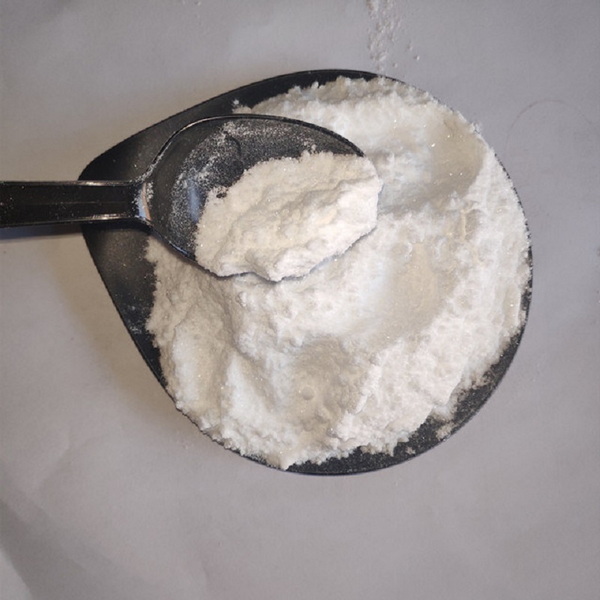
No, procaine cannot be chemically converted into crack cocaine. They are distinct chemicals with different properties and uses.
Procaine is used as a cutting agent to bulk up cocaine and mimic its numbing sensation but is not part of crack synthesis.
Yes, when used under medical supervision, procaine is a safe and effective local anesthetic.
Crack is made by boiling powdered cocaine with baking soda or ammonia to remove hydrochloride salts, producing smokable cocaine base.
Yes, adulterants can increase toxicity, cause allergic reactions, and add health risks to drug users.
[1] https://recovered.org/stimulants/crack/how-is-crack-made
[2] https://patents.google.com/patent/CN110063947A/zh
[3] https://en.wikipedia.org/wiki/Crack_cocaine
[4] https://zh.wikipedia.org/zh-hans/File:Cocaine_hydrochloride_CII_for_medicinal_use.jpg
[5] https://oig.justice.gov/sites/default/files/archive/special/9712/appb.htm
[6] https://www.sigmaaldrich.com/HK/zh/product/sial/phr3105
[7] https://pubmed.ncbi.nlm.nih.gov/26734823/
[8] https://www.made-in-china.com/products-search/hot-china-products/Benzocaine_Powder_Factory.html
[9] https://www.wearewithyou.org.uk/advice-and-information/advice-for-you/safer-injecting/cooking-and-drawing-up
[10] https://www.made-in-china.com/products-search/hot-china-products/Supply_Benzocaine.html
Hot tags: Procaine Cocaine Production, Crack Cocaine Manufacturing, Procaine in Drug Synthesis, Cocaine Production Methods, Crack Cocaine Ingredients, Drug Manufacturing Processes, Procaine as Cutting Agent, Cocaine Derivatives, Crack Cocaine Risks, Procaine and Cocaine Relationship