Content Menu
● Understanding Canine Pyoderma
● The Role of Antibiotics in Pyoderma Management
● Procaine Penicillin: Properties and Veterinary Use
● Limitations of Procaine Penicillin for Canine Pyoderma
● Current Guidelines for Canine Pyoderma Treatment
● Practical Considerations for Using Procaine Penicillin
● Alternative and Adjunctive Treatments
● FAQ
>> 1. What is procaine penicillin, and how does it work?
>> 2. Is procaine penicillin effective against all types of canine pyoderma?
>> 3. What antibiotics are preferred for treating canine pyoderma?
>> 4. Can canine pyoderma be treated with topical therapy alone?
>> 5. How important is bacterial culture and susceptibility testing in pyoderma treatment?
Canine pyoderma is a frequently encountered bacterial skin infection characterized by inflammation and pus formation. It is caused primarily by bacteria such as Staphylococcus pseudintermedius. This condition can range from mild to severe, affecting either the surface or deeper layers of the skin. Effective treatment is essential to relieve discomfort, prevent complications, and reduce the risk of antibiotic resistance.
One antibiotic that has been historically used in veterinary medicine is procaine penicillin. This article delves into whether procaine penicillin is an effective treatment option for pyoderma in dogs, how it works, limitations in its use, and alternative approaches recommended by contemporary veterinary guidelines. As an experienced Chinese manufacturer in biotechnology, pharmaceuticals, and medical devices, we aim to provide thorough insights for overseas brands and veterinary professionals seeking quality OEM pharmaceutical solutions.
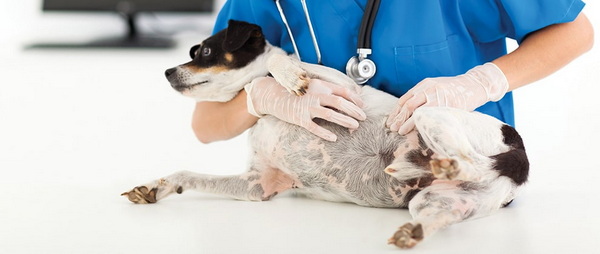
Pyoderma is a bacterial skin infection that manifests primarily due to underlying factors such as allergies, immune disorders, or external parasites. It presents commonly as pustules, epidermal collarettes, papules, and crusts on the skin. Pyoderma can be classified into:
- Surface Pyoderma: Limited to the outermost skin layers.
- Superficial Pyoderma: Involving the epidermis and upper part of the hair follicle.
- Deep Pyoderma: Affecting deeper skin layers such as the dermis and subcutaneous tissue.
The causative bacteria usually belong to the genus Staphylococcus, with S. pseudintermedius being the chief pathogen. Increased resistance among these bacteria, including methicillin-resistant Staphylococcus pseudintermedius (MRSP), creates challenges in treatment selection.
Pyoderma treatment involves addressing both the infection and any underlying causes. Where bacterial infection is evident, antimicrobial therapy becomes essential. The choice between topical and systemic antibiotics depends on the severity and depth of the infection:
- Topical therapy is preferred for localized surface and superficial pyoderma.
- Systemic antibiotics are typically reserved for extensive, deep, or recurrent infections, or cases where topical treatments alone are insufficient.
Selecting the right antibiotic hinges on bacterial culture and susceptibility testing (BC/AST), which helps prevent inappropriate antibiotic use and mitigates resistance risks. Common systemic antibiotics for pyoderma include cephalexin, amoxicillin-clavulanate, and clindamycin.
Procaine penicillin G is a form of penicillin that is administered as an intramuscular injection, usually in a procaine salt form which slows absorption and prolongs activity. It works by inhibiting bacterial cell wall synthesis, effectively killing susceptible Gram-positive bacteria.
In veterinary medicine, procaine penicillin has been used historically for respiratory, urinary, and skin infections in animals, including dogs. It is valued for its long-acting profile and potential to reduce dosing frequency.
Despite its broad activity against many Gram-positive bacteria, procaine penicillin has notable limitations when treating canine pyoderma:
- Resistance: A significant proportion of staphylococcal strains isolated from pyoderma cases produce beta-lactamase enzymes, rendering procaine penicillin and other plain penicillins ineffective.
- Methicillin-Resistant Strains: Methicillin-resistant Staphylococcus pseudintermedius (MRSP) is inherently resistant to all beta-lactams, including procaine penicillin.
- Inferior Efficacy: Compared to beta-lactamase inhibitor combinations (e.g., amoxicillin-clavulanate) and cephalosporins, procaine penicillin demonstrates lower efficacy in eradicating pyoderma pathogens.
Because of these limitations, current veterinary guidelines recommend that procaine penicillin should not be the first-line treatment for canine pyoderma. Instead, it might be reserved for infections confirmed to be susceptible or in situations where other more effective antibiotics cannot be used.
According to antimicrobial stewardship principles promoted by organizations like the International Society for Companion Animal Infectious Diseases (ISCAID), best practices include:
- Performing bacterial culture and susceptibility tests before initiating systemic antibiotics, especially in recurrent or deep pyoderma.
- Choosing first-line antibiotics such as cephalexin or amoxicillin-clavulanate due to higher susceptibility rates.
- Reserving broad-spectrum or last-resort antibiotics for cases where first-line treatment fails or resistance is confirmed.
- Combining systemic antibiotics with appropriate topical therapy for optimal outcomes.
- Treating the underlying cause of pyoderma, such as allergies, parasitic infestations, or endocrine disorders, to prevent recurrence.
Failure to comply with these guidelines can lead to treatment failure, prolonged infections, and increased antibiotic resistance.
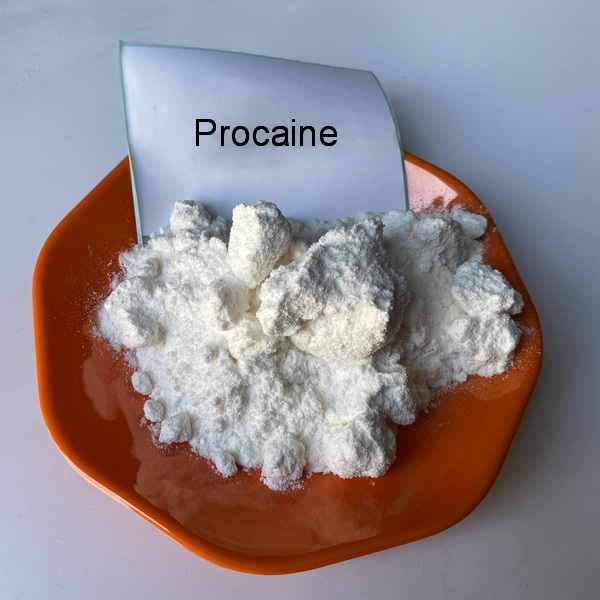
In clinical practice, veterinarians who encounter procaine penicillin consider the following:
- Dosage: Typically administered intramuscularly at 10,000 to 20,000 IU/kg every 24 to 48 hours for susceptible infections. However, dosage and frequency may vary depending on infection severity and patient factors.
- Indications: Procaine penicillin may still have utility in treating certain skin infections caused by non-beta-lactamase-producing bacteria, but this is less common in pyoderma.
- Monitoring: Continuous clinical evaluation and follow-up cultures are recommended to assess treatment efficacy and detect any resistance development early.
- Adjunctive Therapies: Combining procaine penicillin with topical antimicrobial shampoos or antiseptic treatments can improve outcomes in both superficial and deeper infections.
Alongside systemic antibiotics, topical antibacterial agents such as chlorhexidine, benzoyl peroxide, and mupirocin are effective in managing pyoderma, reducing bacterial load, and promoting skin healing. Addressing predisposing factors reduces flare-ups and treatment duration.
In cases of MRSP or multi-drug resistant infections, alternative antibiotics like clindamycin, doxycycline, or newer agents may be required under veterinarian guidance.
While procaine penicillin has been a staple in veterinary antibiotic arsenals, its role in treating canine pyoderma is now limited. The prevalence of beta-lactamase-producing and methicillin-resistant bacteria significantly diminishes its effectiveness for this condition. Current veterinary guidelines recommend culture-directed therapy favoring beta-lactamase-resistant antibiotics and thorough management of underlying causes.
For veterinary professionals and brands seeking quality OEM veterinary pharmaceutical products, including advanced antibiotics and topical treatments for pyoderma, our company offers reliable customization and production services to meet international standards. Contact us to explore our tailored solutions for your veterinary pharmaceutical needs.
Procaine penicillin G is a long-acting injectable penicillin antibiotic. It works by disrupting bacterial cell wall synthesis, effectively killing susceptible Gram-positive bacteria.
No. Many bacteria causing pyoderma produce enzymes that degrade penicillin, and some strains are methicillin-resistant, making procaine penicillin ineffective in many cases.
Beta-lactamase inhibitor combinations such as amoxicillin-clavulanate and cephalosporins are typically preferred based on bacterial susceptibility.
Yes. Topical antimicrobial treatments are effective for surface and superficial pyoderma. Systemic antibiotics are reserved for deeper or widespread infections.
It is crucial for selecting the right antibiotic, improving treatment success, and antibiotic stewardship to reduce resistance development.
[1](https://pmc.ncbi.nlm.nih.gov/articles/PMC12058580/)
[2](https://pmc.ncbi.nlm.nih.gov/articles/PMC10750743/)
[3](https://www.veterinaryworld.org/Vol.16/November-2023/21.pdf)
[4](https://amrls.umn.edu/canine-pyoderma)
[5](https://richmondvet.com.ar/en/producto/pencilline-2/)
[6](https://www.amrvetcollective.com/assets/guidelines/guide_comp.pdf)
[7](https://www.woah.org/app/uploads/2025/04/trd-cats-and-dogs.pdf)
[8](https://www.sciencedirect.com/topics/pharmacology-toxicology-and-pharmaceutical-science/pyoderma)
[9](https://jamanetwork.com/journals/jama/fullarticle/354749)
Hot tags: Procaine Penicillin, Pyoderma Treatment, Canine Skin Infections, Dog Antibiotics, Veterinary Medicine, Bacterial Infections in Dogs, Procaine Penicillin Efficacy, Dog Skin Conditions, Antibiotic Use in Dogs, Pyoderma in Pets