Content Menu
● What is Penicillin G Procaine?
● How Does Penicillin G Procaine Work?
● Why You Should Not Drink Penicillin G Procaine
>> Poor Oral Bioavailability of Penicillin G Procaine
>> Dangers of Procaine Ingestion
>> Sterility and Contamination Risks
● Approved and Recommended Routes of Administration
>> Why Not Intravenous (IV) or Oral?
● Medical Applications and Benefits of Penicillin G Procaine
● Safety Profile and Side Effects
● Handling, Storage, and Quality Control
● Summary
● Frequently Asked Questions (FAQs)
>> 1. Can Penicillin G Procaine be taken orally?
>> 2. What are the symptoms of Procaine poisoning?
>> 3. How long does Penicillin G Procaine stay active in the body?
>> 4. Is it safe to self-inject Penicillin G Procaine?
>> 5. What should I do if someone accidentally drinks Penicillin G Procaine?
Penicillin G Procaine is a widely used antibiotic combination utilized mainly in the treatment of bacterial infections. As a biotechnology and pharmaceutical manufacturing company specializing in providing OEM services for international clients in the health and medical device sectors, understanding the appropriate use and safety profile of such medications is crucial. A recurring question from patients and sometimes less informed practitioners is: Can you drink Penicillin G Procaine?
This article provides a comprehensive explanation of why oral consumption of this antibiotic formulation is not recommended, explores its pharmacological properties, approved administration methods, safety concerns, and much more. We aim to assist healthcare professionals, distributors, and brand owners alike with factual, reliable information that can enhance their product knowledge and ensure safe usage.
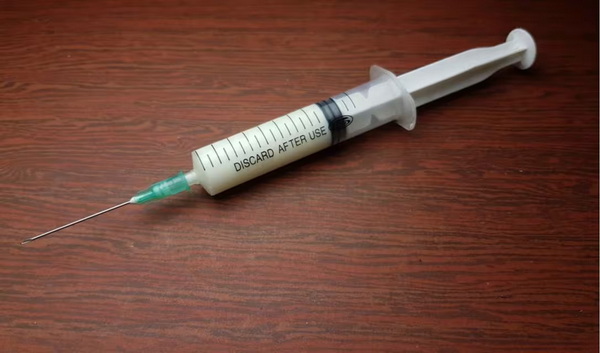
Penicillin G Procaine is a unique formulation designed for intramuscular injection. It combines two active components:
- Penicillin G (Benzylpenicillin): This is one of the earliest discovered antibiotics, belonging to the beta-lactam group. It is effective against various gram-positive bacteria and some gram-negative species, making it a first-line agent in infections such as syphilis, streptococcal infections, and others.
- Procaine: A local anesthetic component that reduces pain at the injection site and provides a depot effect. It slows absorption of Penicillin G, enabling prolonged antibiotic blood levels over time rather than a sudden peak and rapid elimination.
The combination extends the duration of action of Penicillin G, allowing less frequent dosing and improved patient compliance in the treatment of certain infections.
Penicillin G works by inhibiting the synthesis of bacterial cell walls, specifically targeting enzymes involved in crosslinking peptidoglycan chains. This results in weakened bacterial walls, ultimately causing cell lysis and death. Because of this bactericidal effect, Penicillin G is effective in clearing infections caused by susceptible bacteria.
The Procaine component does not have an antimicrobial effect but slows systemic absorption. Procaine's anesthetic action blocks nerve conduction locally, reducing discomfort upon injection.
This dual approach means Penicillin G Procaine injections can deliver effective antibiotic concentrations in the blood for an extended period, improving convenience in treatment regimens.
Although Penicillin G is effective when administered via various routes (oral penicillin V is a related but different compound), Penicillin G itself is not stable in the acidic environment of the stomach. Additionally, the presence of Procaine in the formulation complicates oral administration significantly.
When taken orally, Penicillin G Procaine encounters enzymatic breakdown and acidic hydrolysis, leading to drastically reduced absorption and loss of antibiotic activity. Hence, the oral route does not deliver the therapeutic effect intended.
Procaine, the anesthetic component, is safe when injected locally but can be toxic if absorbed systemically in large uncontrolled amounts or ingested. Oral ingestion of Procaine can cause serious adverse effects, such as:
- Nervous system toxicity (dizziness, seizures, convulsions)
- Cardiovascular disturbances (tachycardia, hypotension)
- Allergic reactions
- Gastrointestinal irritation, nausea, vomiting
Such risks make oral use of Penicillin G Procaine potentially dangerous and strictly contraindicated.
Injectable drug formulations like Penicillin G Procaine are sterile suspensions intended for muscle tissue absorption. The manufacturing processes, packaging, and quality controls ensure that injections are free from microbial contamination. Drinking an injectable suspension:
- Violates sterility and may expose the patient to harmful contaminants
- Risks ingestion of excipients not intended for oral use
- Could cause unintended side effects or infections
Penicillin G Procaine is approved and licensed for intramuscular injections only. This means the medication is injected deep into muscle tissue where Procaine creates a depot effect, slowly releasing Penicillin G into circulation over 24 to 48 hours.
- Intravenous injection is contraindicated because Procaine can cause serious cardiac and CNS toxicity if injected directly into blood vessels.
- Oral administration is ineffective and unsafe as explained above.
Healthcare providers must strictly adhere to the recommended route to avoid life-threatening complications.
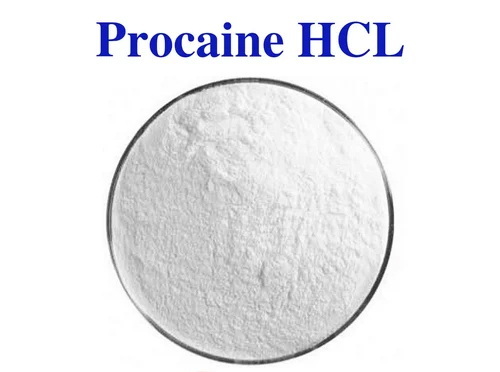
Because of its long-acting nature, Penicillin G Procaine is ideally suited for infections requiring sustained antibiotic levels without frequent injections. Common uses include:
- Treatment of syphilis: A sexually transmitted infection caused by Treponema pallidum, often requiring long-acting penicillin therapy.
- Respiratory tract infections: Such as streptococcal pharyngitis and other susceptible bacterial pathogens.
- Anthrax prophylaxis and treatment: Certain emergency protocols include Penicillin G Procaine for extended coverage.
- Other susceptible bacterial infections: Including some skin and soft tissue infections where protracted antibiotic exposure is beneficial.
The product also enhances patient adherence by reducing injection frequency and discomfort.
Like all medicines, Penicillin G Procaine carries potential side effects, most commonly related to the injection site and allergic reactions.
- Localized pain, swelling, or redness at the injection site
- Mild allergic reactions including rash, itching, and fever
- Occasional mild gastrointestinal upset
- Severe allergic or anaphylactic reactions—patients with known penicillin allergies must avoid this medication.
- Procaine-related neurological symptoms if systemically absorbed inappropriately, which can include dizziness, numbness, and seizures.
- Blood disorders such as hemolytic anemia (rare).
Medical supervision is essential when administering Penicillin G Procaine due to these risks.
Pharmaceutical companies and distributors must emphasize proper storage conditions to maintain the drug's integrity:
- Keep in a cool, dry place away from direct sunlight.
- Maintain the cold chain during transportation (usually 2-8°C).
- Store unopened vials in original packaging.
- Use the medication strictly before expiry dates.
At the manufacturing level, compliance with Good Manufacturing Practice (GMP) ensures sterility, potency, and safety of every batch released.
Some patients may attempt to self-administer or misuse Penicillin G Procaine, or worse, consume it orally due to misinformation. Such practices can lead to:
- Treatment failures due to improper dosing and poor absorption
- Potential toxic overload especially from Procaine ingestion
- Delayed appropriate therapy and worsening infections
- Legal and ethical issues for medical practitioners assisting with improper use
Healthcare providers must educate patients and caregivers adequately on the correct administration process.
Penicillin G Procaine is a specialized injectable antibiotic that plays a vital role in treating several bacterial infections worldwide. It is strictly intended for intramuscular injection due to its pharmacokinetic properties and the Procaine component's safety profile. Drinking Penicillin G Procaine is ineffective and unsafe, carrying significant health risks including toxicity and treatment failure.
For healthcare brands and distributors looking for reliable OEM partners specializing in biotech and pharmaceutical APIs and formulations, SupplyBenzocaine.co.uk offers tailored solutions with rigorous quality control, timely delivery, and regulatory compliance to meet your global market needs. Contact to know more!
No. Penicillin G Procaine is designed as an intramuscular injection and is ineffective and unsafe if taken by mouth.
Symptoms include seizures, dizziness, confusion, irregular heartbeat, and allergic reactions. Immediate medical attention is needed.
Typically, the slow absorption provides antibiotic coverage for 24 to 48 hours depending on individual metabolism and dosing.
Self-injection is not recommended without proper medical training and supervision. Incorrect injection techniques can cause complications.
Seek emergency medical care immediately. Do not induce vomiting unless directed by healthcare professionals.
Hot tags: Penicillin G Procaine, Oral Penicillin, Antibiotic Safety, Injectable Antibiotics, Penicillin Administration, Medication Guidelines, Procaine Risks, Antibiotic Use, Drinking Penicillin, Procaine Effects