Content Menu
● Common Uses of Lidocaine Cream
● OTC Availability Around the World
>> Other Regions: Australia, Canada, and Asia
● Prescription vs. OTC: Key Differences
● How Lidocaine Cream Works: Science Explained
● Side Effects, Risks, and Safety Precautions
● Proper Dosage and Application Techniques
● Manufacturing and Quality Control
● OEM Opportunities from China
● Export Regulations from China
● Alternatives to Lidocaine Cream
● FAQ
>> 1. Is 5% lidocaine cream available over the counter?
>> 2. Can I purchase lidocaine cream online safely?
>> 3. What are the most common side effects of lidocaine cream?
>> 4. How should I apply lidocaine cream for best results?
>> 5. Do you provide OEM manufacturing for lidocaine cream?
Lidocaine cream is a widely used topical anesthetic that provides effective numbing for minor pain, skin irritations, and various medical procedures. Its availability over the counter varies significantly by country, concentration, and intended use, making it essential for consumers and businesses to understand local regulations.
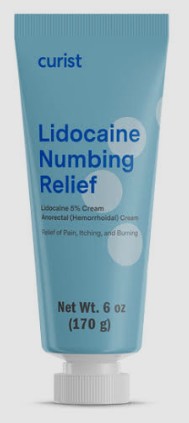
Lidocaine cream is a topical formulation containing lidocaine hydrochloride, a local anesthetic agent that works by blocking sodium channels in nerve cell membranes, thereby preventing the transmission of pain signals to the brain. This results in temporary numbness in the applied area, typically onsetting within 20 to 60 minutes and lasting from one to several hours depending on the concentration, skin type, and application method. Available in strengths ranging from 2% to as high as 10% or more in prescription forms, it is commonly packaged in tubes, jars, or single-use packets for hygienic application.
The cream base itself is an emulsion of water, oils, emulsifiers, and preservatives, designed to enhance skin penetration and stability. Unlike ointments, which are greasier, creams absorb more quickly and are less likely to stain clothing. Lidocaine has been a staple in medical practice since the 1940s, originally synthesized as a safer alternative to cocaine-based anesthetics. Today, it's integral to dermatology, emergency medicine, and cosmetic procedures worldwide.
Lidocaine cream serves a multitude of purposes across medical, cosmetic, and everyday self-care scenarios. In everyday use, it alleviates discomfort from minor burns, sunburns, insect bites, hemorrhoids, and itchy rashes associated with conditions like eczema or psoriasis. For medical applications, healthcare providers apply it prior to needle insertions, such as vaccinations, blood draws, or IV placements, significantly reducing injection pain—studies show it can cut perceived pain by up to 50%.
In cosmetic and aesthetic fields, it's a go-to for numbing skin before tattooing, laser hair removal, microneedling, chemical peels, and dermal filler injections. Athletes and fitness enthusiasts sometimes use it for temporary relief from muscle strains or joint pain, though this is not recommended for large areas due to absorption risks. Pediatric applications include numbing port sites for chemotherapy or easing circumcision discomfort. Even in veterinary medicine, diluted forms are used on animals for minor wounds.
Beyond pain relief, compounded versions may include anti-itch agents like hydrocortisone or prilocaine for enhanced effects, broadening its utility in post-herpetic neuralgia or neuropathic pain management. Its versatility has fueled a booming market, with global demand rising alongside elective procedures.
The over-the-counter (OTC) status of lidocaine cream hinges on regulatory bodies' assessments of safety, efficacy, and misuse potential. Concentration is the primary determinant—lower strengths are deemed safe for self-administration, while higher ones require professional oversight.
In the US, the FDA classifies lidocaine creams up to 5% as OTC for specific indications, such as anorectal disorders (e.g., hemorrhoids) or minor skin irritations. Products like 4% patches or creams are readily available at pharmacies like CVS, Walgreens, or online retailers without a prescription. However, general-purpose body creams exceeding 5%—often used for procedures—are prescription-only to prevent systemic toxicity from excessive absorption. This distinction stems from concerns over accidental overdose, particularly in children.
The UK's MHRA permits up to 4% lidocaine creams OTC for superficial pain relief, exemplified by brands like LMX4, available at Boots or Chemist4U with pharmacist advice. Concentrations above this, such as 10%, are prescription-restricted. Across the EU, rules vary by member state but generally align with EMA guidelines: 2-5% topicals are OTC for intact skin, while mucosal or higher-strength applications are pharmacy-only or prescription. Germany's strict standards, for instance, limit OTC to 2% for oral use.
Australia's TGA allows up to 5% OTC with mandatory warnings on packaging, classifying gels over 2% as pharmacist-dispensed. Canada mirrors US FDA rules, emphasizing limited uses. In Asia, Japan's PMDA restricts OTC to 3%, while India's CDSCO permits 2-5% widely. Always verify local pharmacy laws, as online imports can trigger customs seizures.
| Country | OTC Max Strength | Key Restrictions |
|---|---|---|
| United States | Up to 5% | Anorectal/specific uses only |
| United Kingdom | Up to 4% | Pharmacist consultation advised |
| European Union | 2-5% (varies) | Mucosal use often restricted |
| Australia | Up to 5% | Warnings required |
| Canada | Up to 5% | Similar to US |
OTC lidocaine creams (typically ≤4-5%) are formulated for mild, superficial relief with built-in safety margins, offering convenience but limited potency for invasive procedures. They often include soothing additives like aloe vera and are priced affordably at $5-15 per tube. Prescription counterparts (5%+) provide deeper, longer-lasting anesthesia, backed by rigorous clinical trials for conditions like shingles pain or minor surgeries. Examples include Lidoderm patches (5%) delivering 12-hour relief or EMLA (lidocaine-prilocaine mix) for deeper penetration.
Risk profiles differ: OTC overuse can lead to mild irritation, while prescription strengths demand monitoring for cardiac effects. Efficacy data shows prescription gels outperforming OTC by 30-40% in pain reduction scores for procedures. For businesses, OTC formulations dominate retail sales, while prescription-grade appeals to clinics.
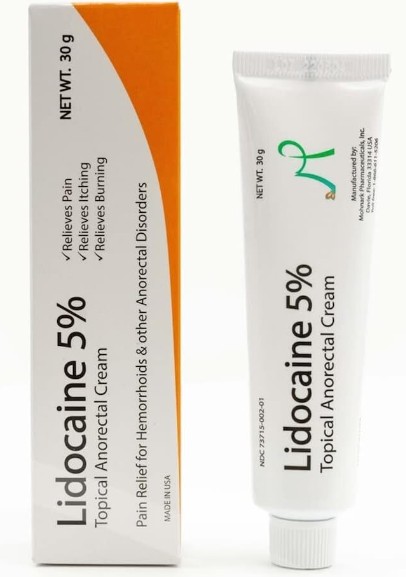
At the molecular level, lidocaine diffuses through the stratum corneum into nerve endings, binding voltage-gated sodium channels in their inactivated state. This stabilizes the membrane, halting action potential propagation and inducing reversible anesthesia. Optimal absorption occurs on thin skin or with occlusion (e.g., plastic wrap), boosting efficacy by 2-3 times via hydration.
Pharmacokinetics reveal peak plasma levels in 30-60 minutes, with a half-life of 1.5-2 hours. Metabolism occurs in the liver via CYP3A4, excreting as metabolites in urine. Factors like body weight, application site (mucous membranes absorb 4x faster), and occlusion influence dosing—standard is 1-2.5g per 20-25cm², not exceeding 4.5mg/kg daily.
While generally safe, lidocaine cream can cause localized reactions like erythema, pruritus, or edema in 1-5% of users. Systemic risks from overdose include dizziness, tinnitus, seizures, or methemoglobinemia (especially with prilocaine combos), manifesting as cyanosis. Cardiovascular effects like bradycardia occur at blood levels >5mcg/mL.
Contraindications include hypersensitivity, severe liver disease, or concurrent antiarrhythmics. Special caution for infants under 3 months, pregnant/nursing women, and broken skin. Always patch-test, avoid eyes/mucous membranes unless specified, and seek immediate help for breathing issues. Long-term use risks hypersensitivity; rotate with alternatives.
For adults, apply a 1-2mm thick layer to clean, dry skin 30-60 minutes prior to need, covering with occlusive dressing for enhanced effect. Pediatric dosing is weight-based: 0.5-1g for small areas. Remove excess before procedures to prevent ingestion or slippage. Maximum: 3 applications/day, 45g total.
Storage: Room temperature, away from children. Shelf life: 2-3 years. Pro tips: Use gloves for large areas; combine with vibration for synergistic pain block.
Lidocaine cream production begins with synthesizing the active ingredient from 2,6-dimethylaniline and 2-diethylaminoacetyl chloride, yielding 99% pure powder. This is emulsified with aqueous phases, gelling agents (carbomer), and preservatives under GMP conditions. Sterile filling, pH adjustment (to 5-7), and stability testing ensure 24-36 month efficacy.
Chinese facilities excel here, leveraging scale for cost savings—raw materials at $50-100/kg. Quality checks include HPLC purity assays (>99%), microbial limits, and viscosity profiles.
As a leading Chinese factory specializing in biotech, pharmaceuticals, and medical devices (supplybenzocaine.co.uk), we offer turnkey OEM services for lidocaine creams tailored to international brands, wholesalers, and producers. Our state-of-the-art facility produces OTC-compliant 2-5% formulations, custom blends, and private-label packaging in tubes, jars, or pumps.
Benefits include rapid prototyping (2 weeks), MOQs as low as 1,000 units, and full regulatory support for FDA, MHRA, and TGA exports. We handle R&D for enhanced stability or combos (e.g., with tetracaine), ensuring microbial-free, stable products. Past clients praise our 99.9% on-time delivery and 20-40% cost reductions versus Western manufacturers. Scalable from startup to enterprise volumes.
China's NMPA oversees pharma exports, requiring GMP certification and product filings. Lidocaine topicals fall under cosmetics or quasi-drugs, avoiding narcotic controls. MOFCOM handles declarations; no bans apply to standard creams. We navigate CE marking, FDA 510(k) exemptions for topicals, and country-specific dossiers seamlessly.
For varied needs, consider EMLA (2.5% lidocaine + 2.5% prilocaine) for superior depth; benzocaine (5-20%) for mucosal use; or non-anesthetics like capsaicin cream for neuropathic pain. Lidocaine patches offer hands-free application; pramoxine suits sensitive skin.
| Alternative | Best For | OTC Availability |
|---|---|---|
| EMLA | Procedures | Limited |
| Benzocaine | Oral/Mucosal | Yes |
| Lidocaine Patch | Chronic Pain | Yes (4-5%) |
| Capsaicin | Neuropathy | Yes |
Navigating lidocaine cream's OTC availability reveals a landscape of accessible relief for everyday needs up to 4-5% strengths, with prescriptions safeguarding higher potencies. This balance ensures safety while meeting diverse demands from self-care to professional use.
Partner with our expert Chinese OEM factory at supplybenzocaine.co.uk to elevate your brand. Contact us now for bespoke lidocaine solutions, complimentary samples, and unbeatable pricing—empower your product line and capture the growing numbing cream market today! Contact us to get more information!
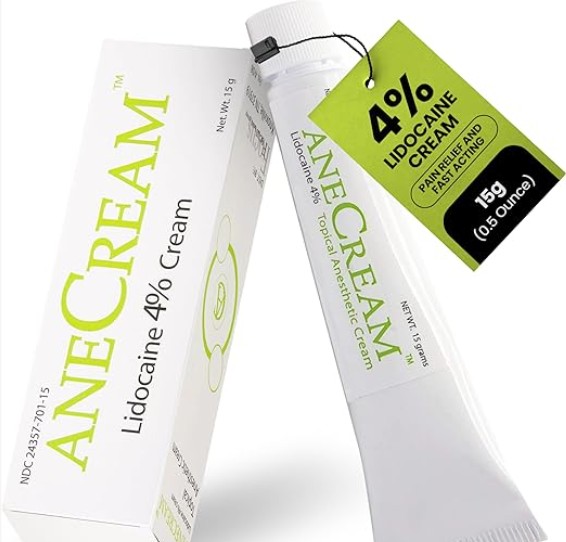
Yes, in the US it's OTC for anorectal uses like hemorrhoids, but general skin applications up to 4% are more common OTC, with 5% typically requiring a prescription to mitigate overdose risks.
Absolutely, from reputable pharmacies like Amazon Pharmacy, Curist, or Chemist4U, but always check concentration against your country's OTC limits and seller credentials to avoid counterfeits.
Mild effects include skin redness, itching, or burning at the site; rare severe ones involve allergic reactions, rapid heartbeat, or seizures from overuse—discontinue and seek medical help if symptoms persist.
Clean and dry the area, apply a thin layer 30-60 minutes before need, cover with plastic wrap for occlusion, then wipe off excess prior to procedures; adhere to weight-based dosing limits.
Yes, our Chinese facility at supplybenzocaine.co.uk specializes in custom OTC-compliant production, from formulation to export-ready packaging, serving global brands with competitive MOQs and rapid turnaround.
1. https://curistrelief.com/blogs/curist/lidocaine-cream-vs-lidocaine-ointment-vs-lidocaine-patch-vs-lidocaine-spray-vs-lidocaine-r
2. https://www.centricco.co.uk/products/anes-006/
3. http://sfdachina.com/cosmetics/BAN_List.asp?id=863
4. https://www.mayoclinic.org/drugs-supplements/lidocaine-topical-application-route/description/drg-20072776
5. https://www.rxlist.com/lidocaine/generic-drug.htm
6. https://www.sonwuapi.com/api-powder/99-lidocaine-powder.html
7. https://www.made-in-china.com/manufacturers/lidocaine-numbing-cream.html
8. https://www.mayoclinic.org/drugs-supplements/lidocaine-and-prilocaine-topical-application-route/description/drg-20062126
9. https://www.chemist-4-u.com/lmx4-lidocaine-4-cream-5g
10. https://preferredship.com/china-export-regulations-ppe-medical-devices/
11. https://www.alamy.com/stock-photo/lidocaine.html
12. https://www.youtube.com/watch?v=3GcK4NEBZX0
13. https://www.youtube.com/watch?v=9kteY5zUIhk
14. https://www.made-in-china.com/manufacturers/lidocaine-cream-5-.html
15. https://www.medsafe.govt.nz/profs/class/Agendas/Agen73/Lignocaine.pdf
16. https://hexiapharm.com/prescription-vs-otc-lidocaine-gel-benefits-risks-approval/
17. https://www.shutterstock.com/search/lidocaine-cream
18. https://www.youtube.com/watch?v=MP3Z2pttiy4
19. https://glasp.co/youtube/p/extracting-lidocaine-from-anal-lubricant
20. https://www.made-in-china.com/products-search/hot-china-products/wholesale_lidocaine_cream_5%2525.html
Hot tags: Lidocaine Cream, Buy Lidocaine Over The Counter, Lidocaine Cream OTC, Lidocaine Pain Relief, Topical Anesthetic Cream, Lidocaine Cream Uses, Lidocaine Cream Side Effects, Best Lidocaine Cream, Lidocaine Cream for Hemorrhoids, Lidocaine Cream Online Purchase